
Writing Worksheets
About Our Writing Worksheets
Writing can feel like climbing a mountain-big, intimidating, and a little messy at the start-but these worksheets break it down into manageable, encouraging steps. Instead of staring at a blank page, kids get prompts, structures, and activities that nudge them forward, whether they’re working on essays, stories, or even everyday tasks like writing checks. Each worksheet focuses on one skill at a time-like building paragraphs, fixing run-ons, or crafting persuasive arguments-so students can master the basics before tackling more complex projects. It’s all about guiding them gently from “I don’t know what to write” to “Look what I just created!”
The collection covers a wide range of writing types, from creative exercises like character development and reflective journaling to more academic forms like argumentative essays and research projects. By practicing across so many areas, kids get to discover their strengths and grow more confident in their weak spots. Some worksheets even lean into real-world applications, like addressing envelopes, email etiquette, or technical writing. Together, they create a toolkit that makes writing less of a chore and more of a skill set kids can actually use.
But writing isn’t just a school subject-it’s a lifelong form of expression. Whether a student is learning to put together a friendly letter, analyzing rhetorical techniques, or practicing sentence frames, they’re building habits of thought that will serve them in work, relationships, and creative pursuits. These worksheets show kids that writing can be playful, powerful, and practical all at once. They’re not just learning how to write-they’re learning how to think, reflect, and connect with the world.
A Look At All Worksheet Categories
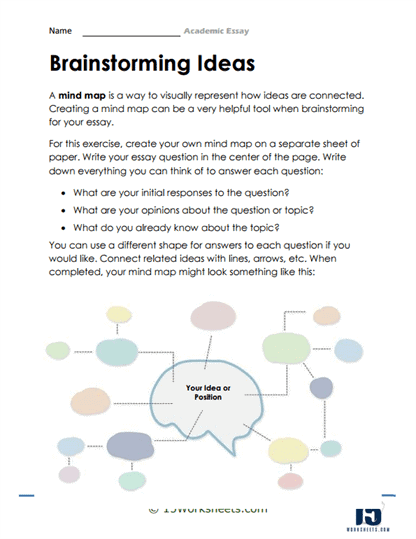
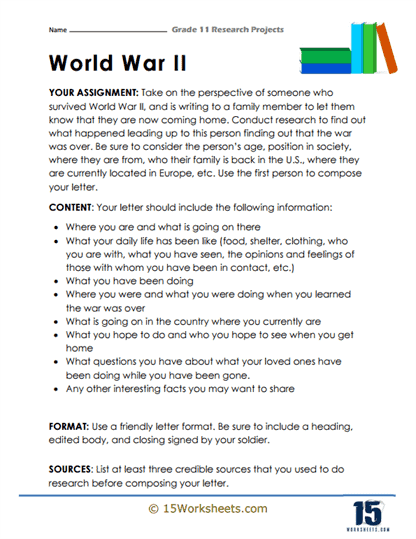
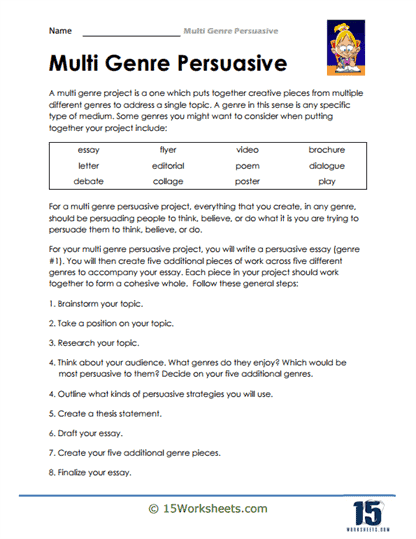
These projects require careful planning and preparation. We help students learn how to develop a thesis statement and outline to approach these types of projects.
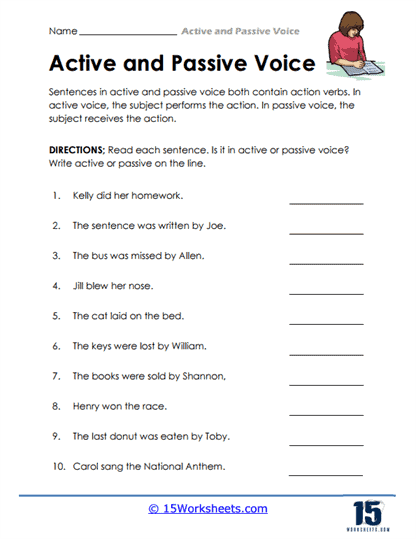
We explore these two different ways to construct a sentence and the different effects on the meaning and clarity of the sentence that they will have.
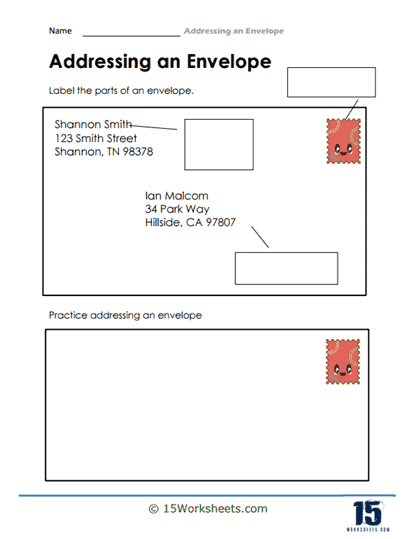
Students will learn how to proper address and place information on a envelope or package that they wish to send out in the mail.
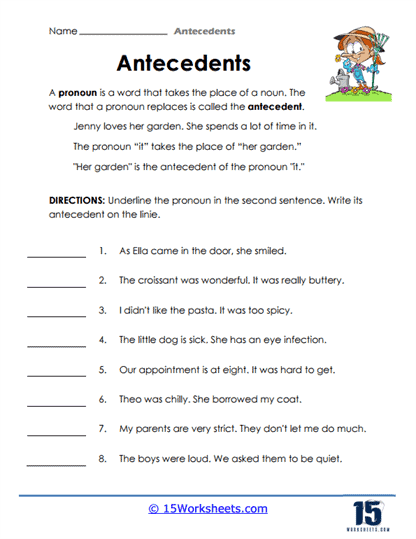
In the context of pronouns, an antecedent is a word or phrase that a pronoun refers back to in a sentence to avoid repetition. In other words, it is the noun or noun phrase to which a pronoun points.
This is the process of presenting and defending a position or point of view using logic and evidence. We help students learn how to go about presenting a claim or thesis statement and supporting it with evidence and reasoning.
This is similar to previous topic, but we go much deeper into the research end of things here. We work on establishing facts and backing them up with cited references.
These sheets walk you through the process of identifying main ideas, composing questions, and analyzing the consequences from many different perspectives.
Learning to ask appropriate questions is an essential skill for effective communication, information gathering, problem-solving, and learning.
This is a critical aspect of communicating effectively. By understanding the audience, the speaker or writer can tailor their message to be more effective and persuasive.
This type of writing is when the author tells the story of their own life, often using a first-person point of view. It can take various forms, including memoirs, personal essays, and autobiographical novels.
This is a type of academic writing that explores the relationship between an event or situation (the cause) and its outcomes or consequences (the effect). The purpose is to analyze how and why things happen, and to demonstrate the causal relationship between them.
This is the process of creating and evolving the characters to make them more realistic, complex, and dynamic throughout the narrative. It involves transforming characters from simple, one-dimensional figures into multi-faceted individuals who experience growth, change, and challenges as the story progresses.
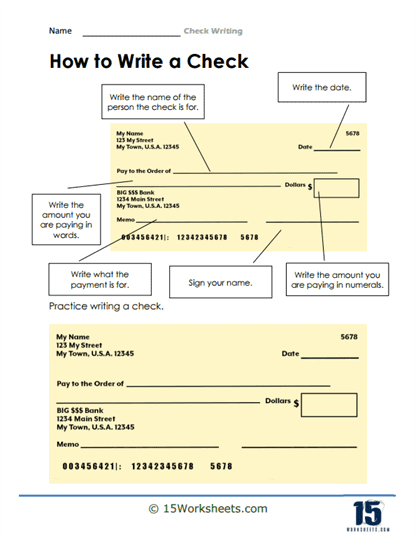
Students learn how to compose a personal check from their bank. They will learn the purpose of each section of the check. These parts include: the date, payee line, amount, amount in words, memo line, and signature. We also explain what the prewritten values indicate to the bank.
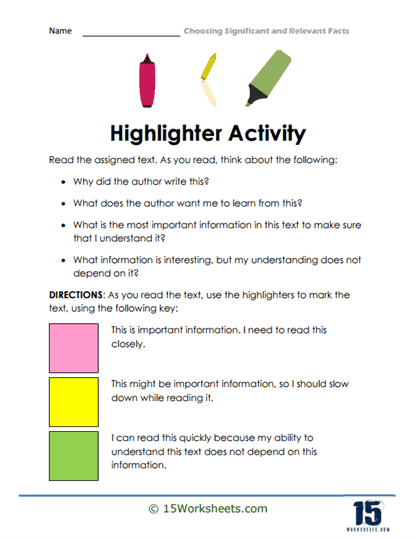
We help students learn how validate their thesis statements by ensuring that the facts they choose to substantiate their claims are relevant and credible.
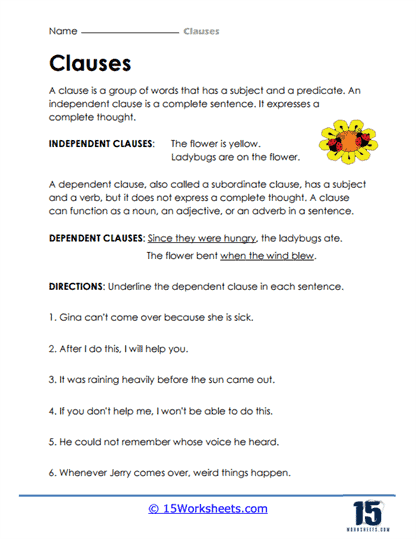
A clause is a group of words that contains a subject and a verb (predicate). It can function as a sentence on its own (an independent clause) or as part of a larger sentence (a dependent or subordinate clause).
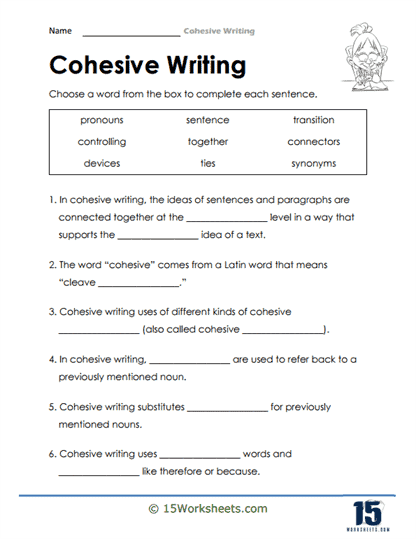
The goal here is to write in a way that flows smoothly and logically from one sentence to the next, creating a clear and coherent text. The idea is to maintain a level clarity that supports our language.
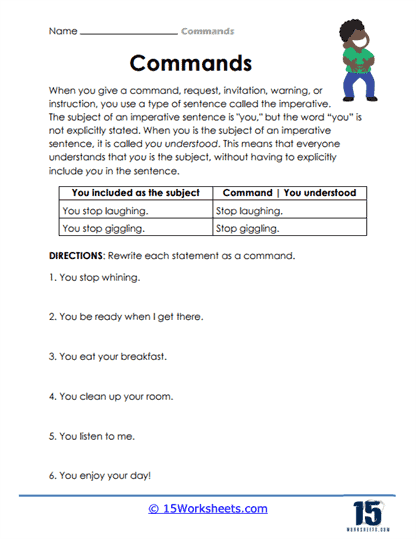
A command is a type of sentence that conveys a direct request, instruction, or order to someone. It is used to tell someone to do something or to give them guidance on how to perform a particular action.
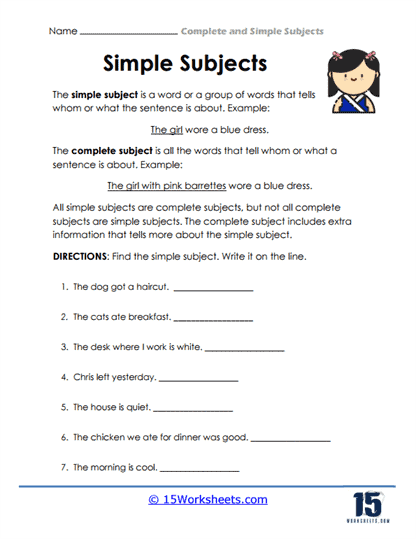
The subject is one of the essential components of a sentence, and it determines the verb’s form and agreement. We work on showing you the various aspects this role can take on.
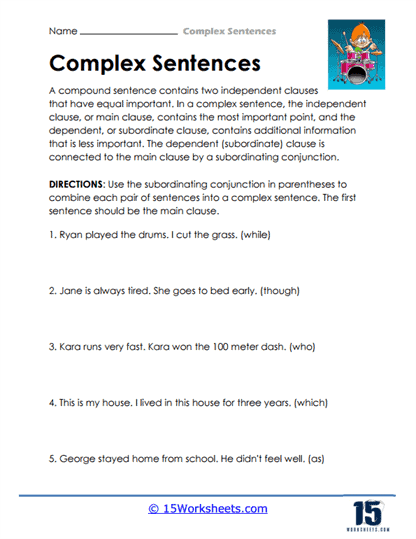
Complex sentences allow writers to express more intricate ideas and relationships between different parts of a sentence. They provide a way to include additional information, show cause and effect, and present a deeper level of detail in writing.
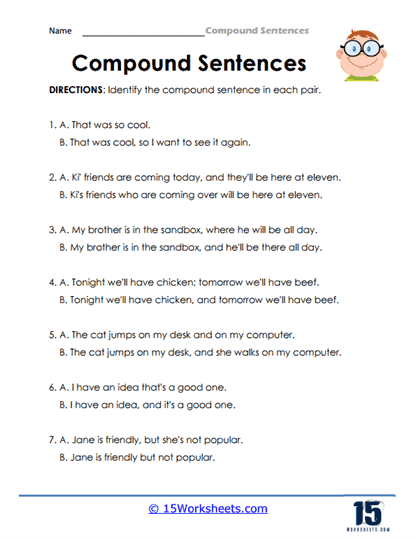
These are a type of sentence that contains two or more independent clauses, joined by a coordinating conjunction or a semicolon. We learn how identify them and avoid using them in our formal forms of writing.
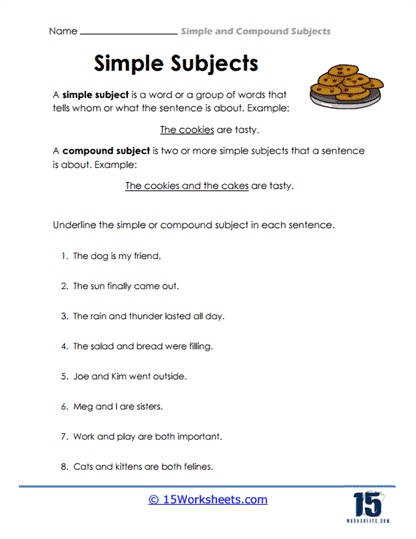
Compound subjects are useful for expressing joint actions or characteristics involving more than one person or thing. When using compound subjects, ensure that the verb used in the sentence agrees with the compound subject’s plurality.
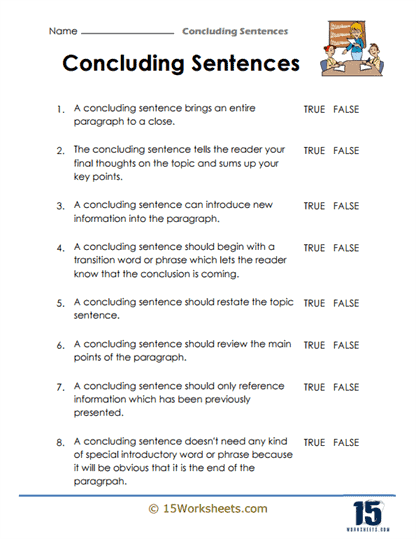
Guides how to write effective closing lines for paragraphs. It helps bring ideas to a satisfying finish. Enhances essay and paragraph structure.
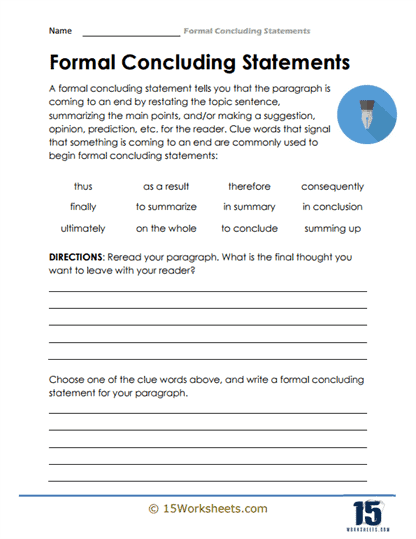
These statements serve to summarize the main points of the writing and leave the reader with a final thought or impression. The goal is leave the reader thinking and leaning in the direction that you want them to be.
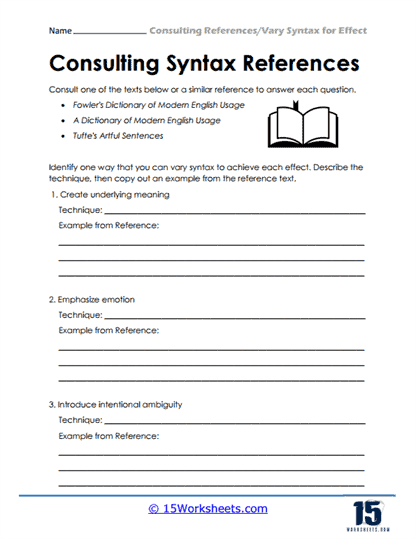
We dive deep into the use of a wide variety of reference sources. We help students learn how to determine the requirements of the project that they have at hand.
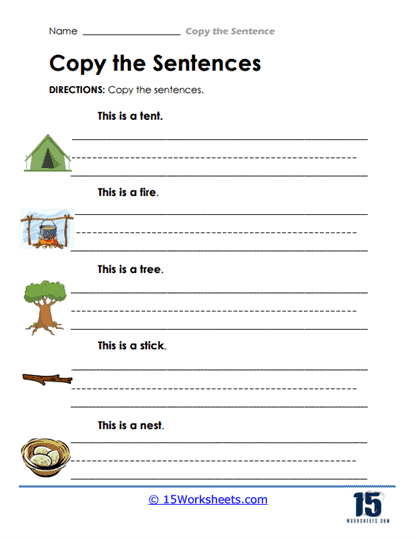
These activities are wonderful for building confidence in early writers by giving them a clear, solid model to follow. As your child carefully copies each sentence, they aren’t just practicing their handwriting-they are also naturally absorbing correct spacing, punctuation, and how words fit together to form complete thoughts.
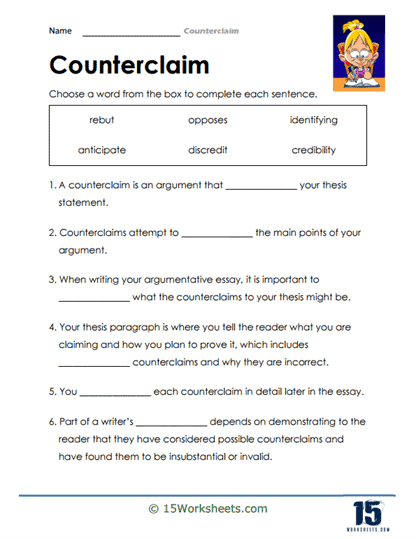
These sheets help you determine an appropriate and viable opposing viewpoint to an argument through the use of valid and substantial evidence.
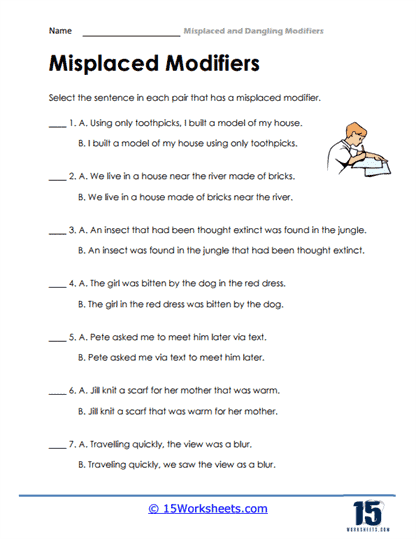
These are a type of grammatical error that occurs when a modifying phrase or clause is not clearly and logically connected to the word it is intended to modify. This can create confusion or ambiguity in a sentence.
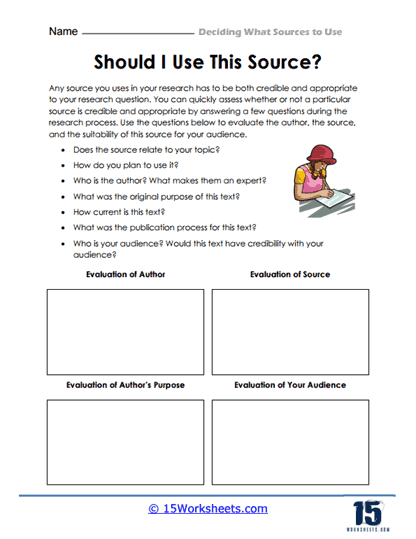
We help students learn to evaluate the credibility of the source by considering the author’s expertise, the publication’s reputation, and any biases or conflicts of interest.
We present this to students like a game of “guess who”. We determine information through the use of mostly asking simple prompted questions.
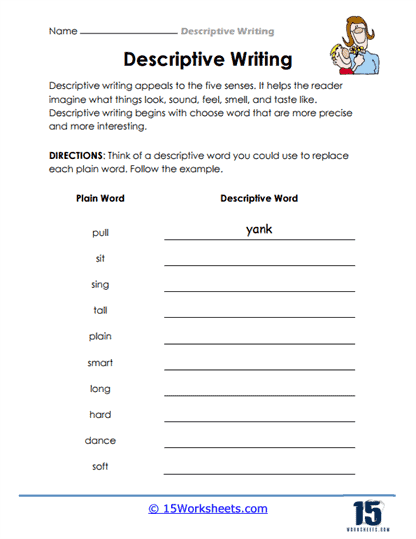
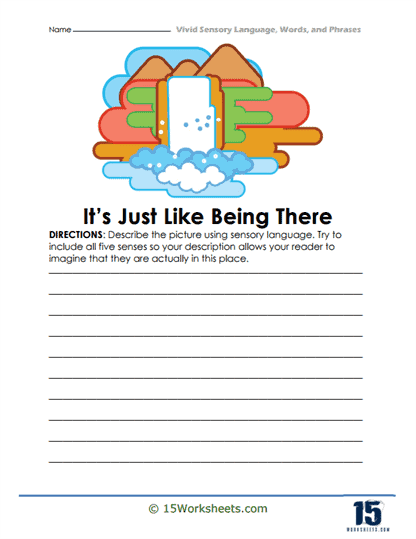
The primary goal of descriptive writing is to provide a rich and detailed description of a person, place, object, event, or experience. It helps the reader visualize and experience the subject being described as if they were there themselves.
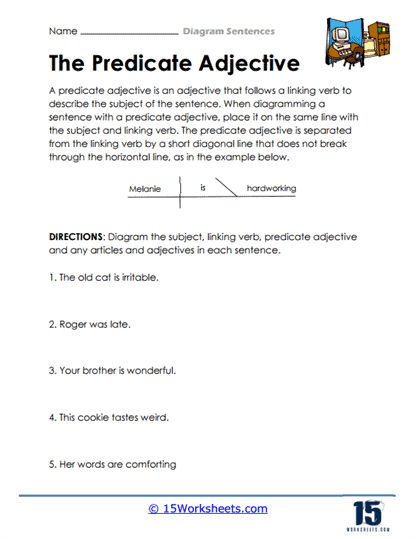
Diagramming sentences is a visual method of representing the grammatical structure of a sentence. It is a way of breaking down sentences into their individual components and illustrating the relationships between different parts of speech.
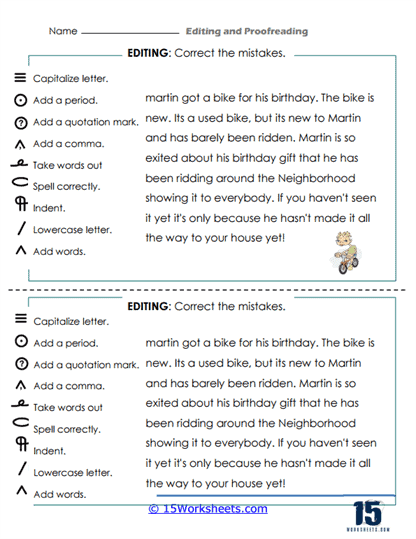
Editing and proofreading are crucial parts of the writing process because they ensure the clarity, accuracy, and effectiveness of the written content. Editing involves a comprehensive review of the content to improve the overall structure, coherence, and flow of the writing. Proofreading, on the other hand, is a meticulous review of the text to identify and correct errors in grammar, spelling, punctuation, and formatting.
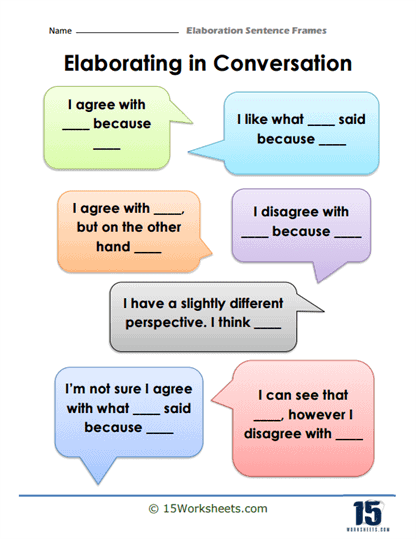
These are used to provide more detail or information about a particular topic or idea. They are used to expand upon a point or concept, and to help the reader or listener better understand the topic being discussed.
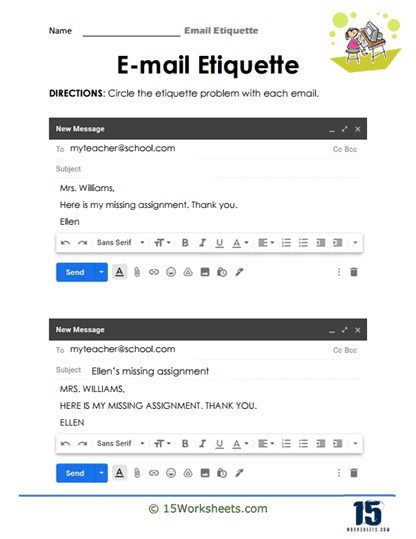
We help students understand a basic rule set and guidelines for composing and responding to email communication.
Everyday Edits
Offers quick regular editing practice on everyday sentences. Builds proofreading fluency. Helps make clean, clear writing a habit.
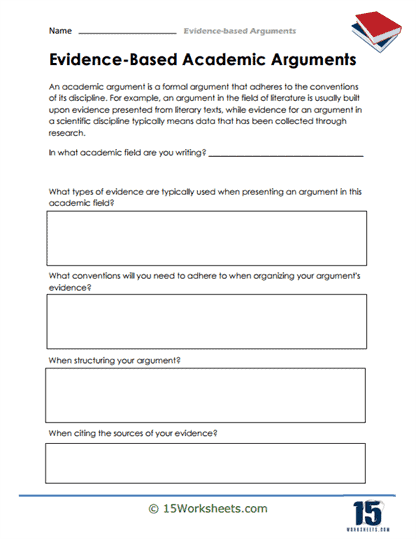
This technique involves using reliable sources of information to support your arguments and ideas in many different forms of writing.
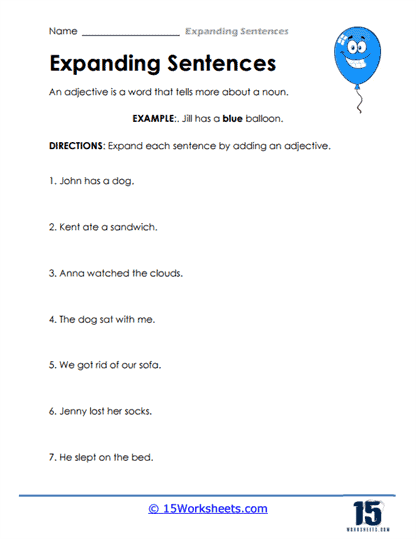
Expanding Sentences
Teaches adding detail, clauses, or modifiers to simple sentences. Builds richer, more interesting writing. Helps students practice revision.
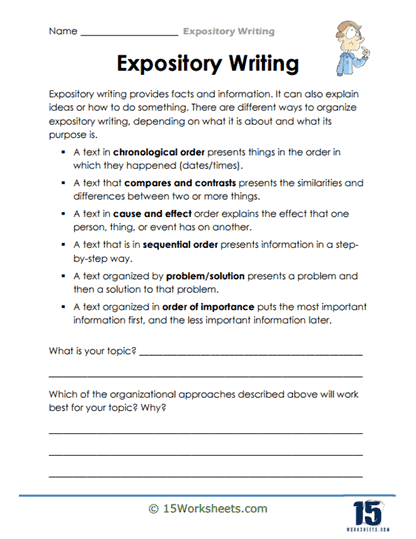
Expository Writing
Guides how to explain topics clearly with facts and explanations. Focuses on clarity and teaching in writing. Great for academic and informative work.
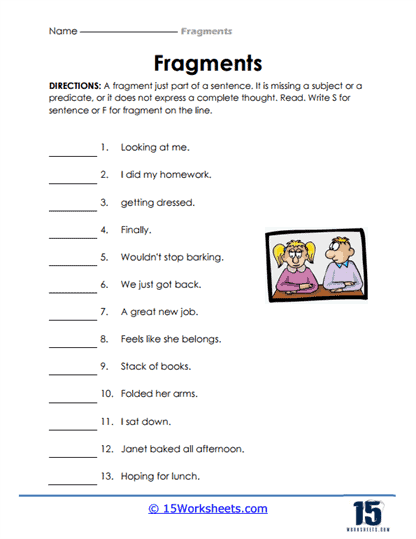
Sentence fragments are incomplete sentences that lack one or more essential elements needed to form a grammatically correct and independent thought.
Friendly Letter Writing
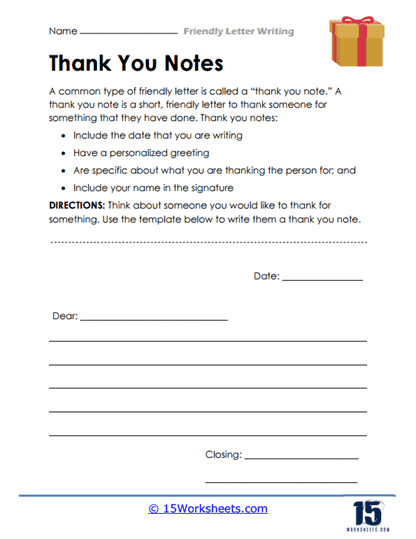
Encourages informal letter writing with personal tone and proper format. Builds social and writing skills. A warm, approachable practice.
We help students understand where to start and the best sources to use based on their needs.
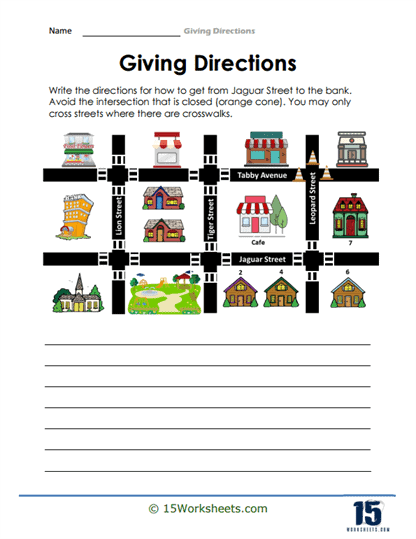
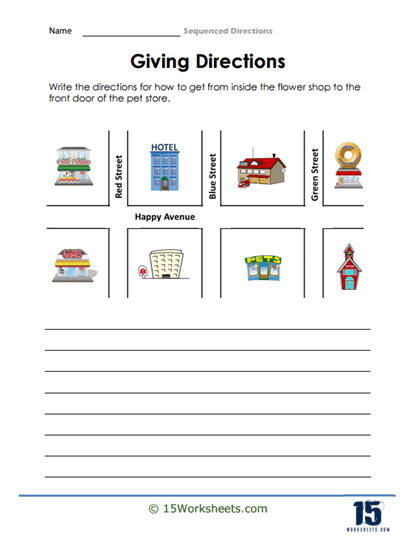
Helping students learn to construct clear directions helps to ensure that tasks are completed efficiently and in a timely manner. This can reduce the time and effort required to complete a task.
These are great to help students learn to better compose their thoughts and communicate well thought out arguments.
We spend a great deal of time preparing students to write their first research-based college assignment.
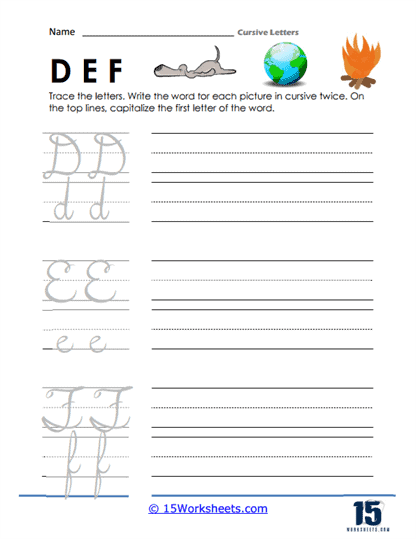
This is something that is often overlooked by most curriculum committees. These sheets help students learn proper grip, spacing, and most importantly practicing patience.
I Am Thankful For
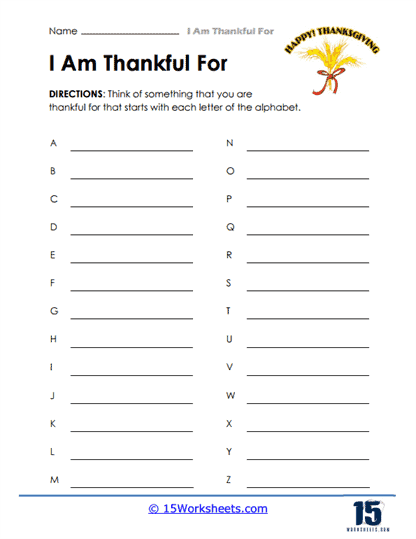
Students brainstorm and write about people, places, and small moments they’re grateful for, turning a quick list into clear sentences. The prompt builds descriptive language and specificity (who, what, and why) while nurturing social-emotional awareness. It’s a calm, reflective piece that strengthens voice and positivity in everyday writing.
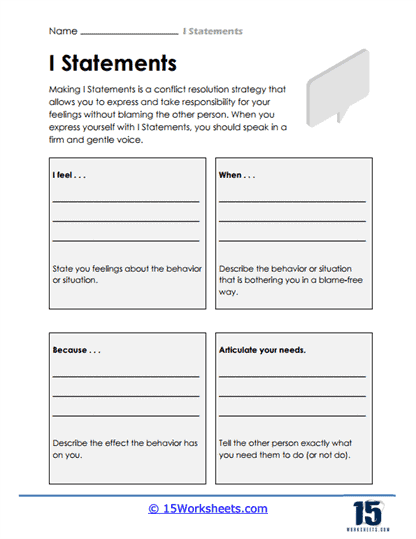
This is a communication technique that involves expressing your thoughts, feelings, and opinions using a specific sentence structure. It offers fantastic practice for many different forms of writing.
Offers structured paper to practice writing on lines with proper spacing. Supports handwriting development. Great for early learners of writing mechanics.
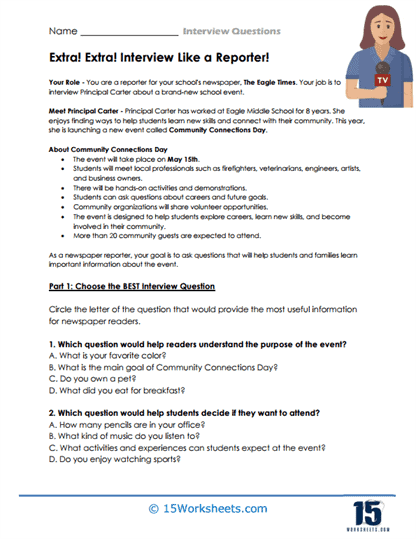
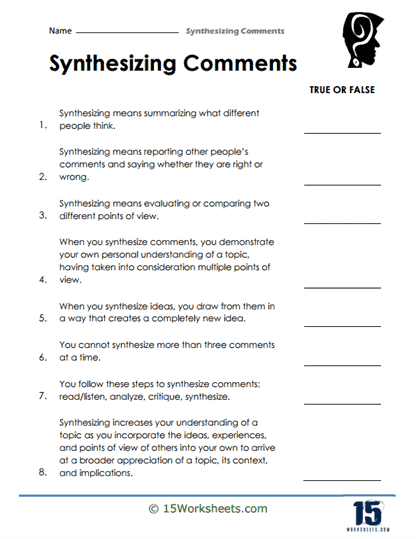
Encouraging students to make quality comments involves creating a supportive learning environment and providing them with the skills and tools they need to engage in meaningful discussions.
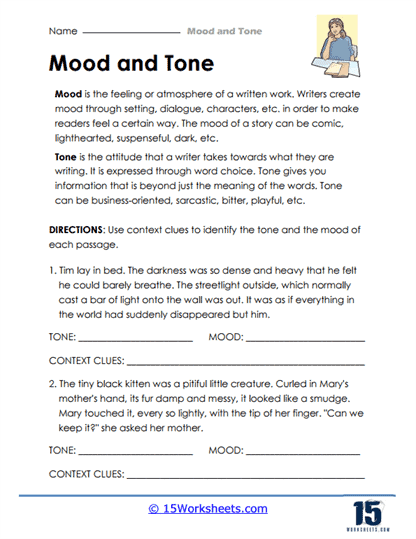
Mood and tone are two important elements of writing that contribute to the overall atmosphere and emotional impact of a piece of literature or any written content.
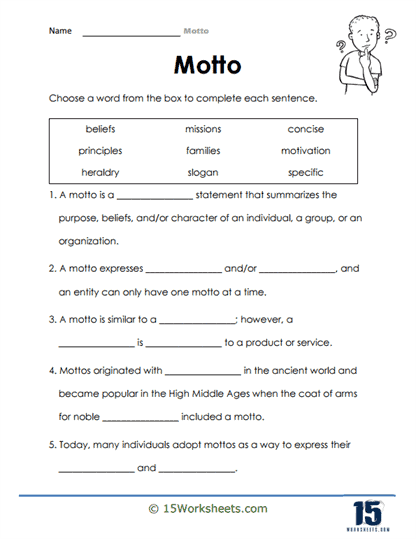
This is a short phrase or sentence that expresses a guiding principle or belief. The goal is to share a guiding communication or a series of values for an individual or organization.
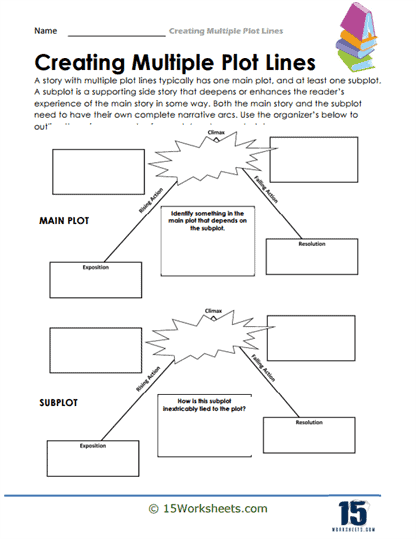
This technique can ensure that authors create a sense of complexity and build a sense of suspense. This can also be used to help writers develop characters and highlight themes.
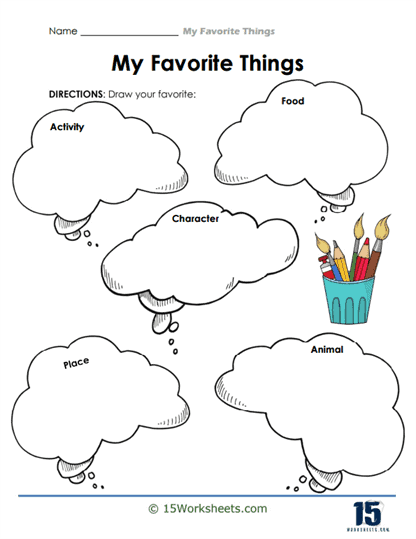
My Favorite Things
Students write about their favorite items or activities. It boosts personal expression and descriptive skills. A light, engaging prompt for early writers.
The goal here is help students understand where to begin and give them a framework to complete difficult processes.
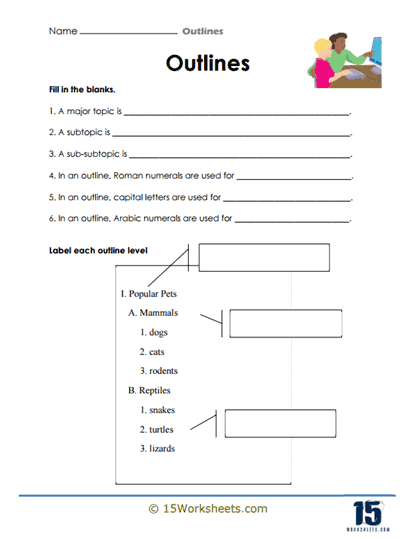
Outlining before you write provides a roadmap and structure for your content, improves organization and clarity, and saves you time and effort. It is an essential step for both beginners and experienced writers, helping them create more polished and effective pieces of writing.
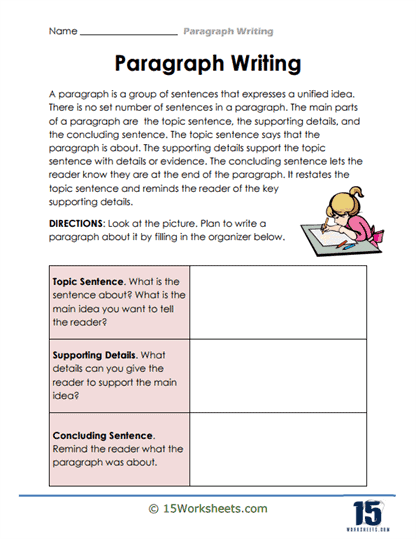
Improving your paragraph writing skills is an ongoing process. Be patient with yourself and be open to learning and experimenting with different writing techniques.
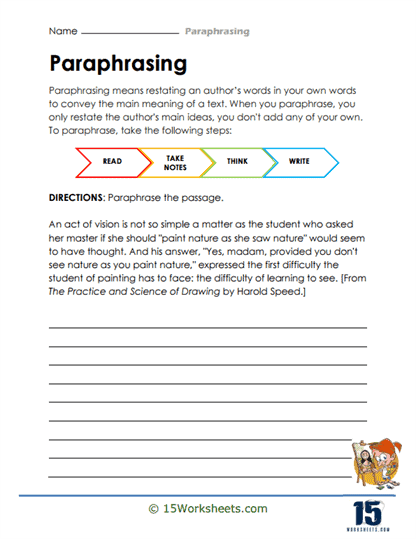
Paraphrasing is the act of restating someone else’s ideas, thoughts, or information in your own words while preserving the original meaning. It involves rephrasing and reorganizing the content without changing its core message.
This is a type of writing that aims to convince the reader to adopt a particular point of view or take a particular action. The goal is to present a strong argument that supports a specific position or opinion.
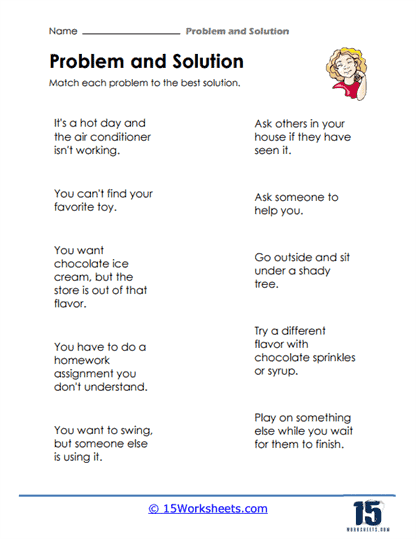
The purpose of problem and solution writing is to inform readers about a particular problem, create awareness, and offer potential ways to solve or mitigate the issue.
We explore the guidelines and conventions of written language. This will help students learn to communicate in a more effective and impactful manner.
We ask students to look deep themselves and encourage feedback to make their messages and thoughts more valuable.
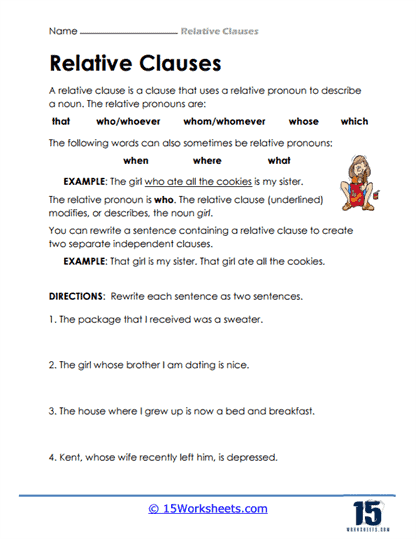
Relative clauses are a type of subordinate clause used in writing to provide additional information about a noun (or pronoun) in the main clause.
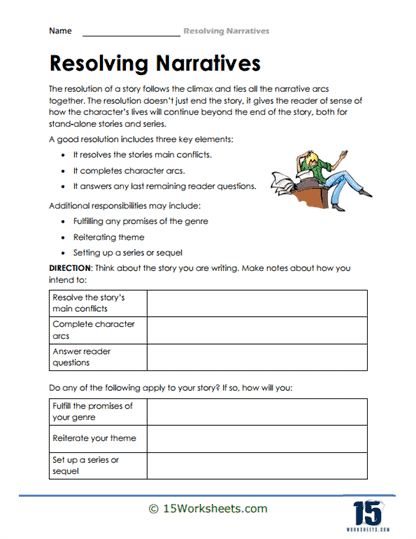
We look at the different methods that can be used to bring a story to a successful close that will engage the readers or audience.
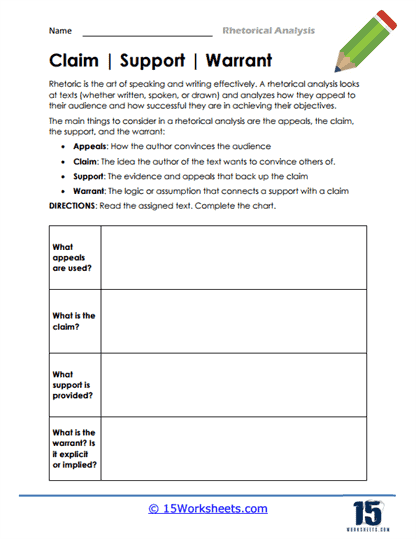
This is a type of critical analysis that focuses on the techniques used by writers and speakers to persuade their audiences. It involves examining the language, structure, and content of a text or speech to better understand its intended message and effects on the audience.
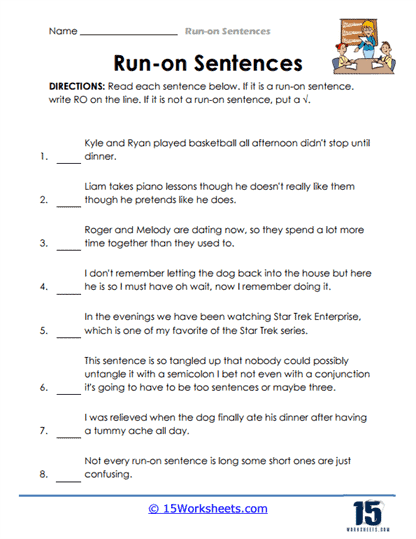
In a run-on sentence, the clauses are “run together” without clear separation, which can lead to confusion and make the sentence difficult to read and understand.
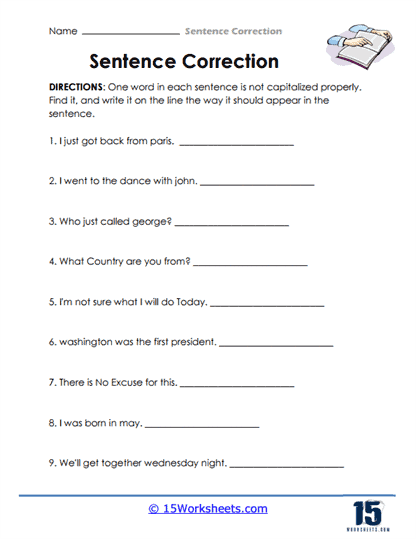
Students will be presented with sentences that are in need of correction. This will bring into action all of the grammatical skills that students have learned.
To avoid these common mistakes, it’s crucial to proofread and edit your writing carefully. Pay attention to grammar rules, sentence structure, and punctuation.
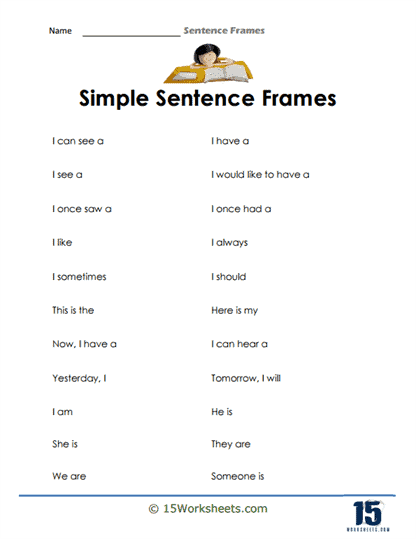
This are great for students to use as a guide for constructing coherent and meaningful sentences. It is a fantastic method for reviewing grammatical skills.
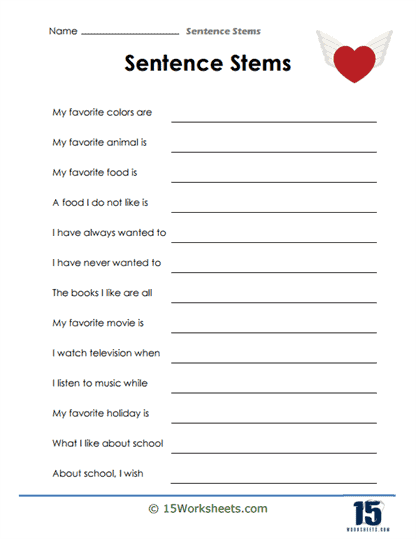
Sentence Stems
Offers sentence beginnings to spark ideas and structure responses. Helps with framing thoughts and reducing blank-page anxiety. A useful scaffolding tool.
We make sure the arrangement of words, phrases, and clauses are posed in a grammatically correct and meaningful manner to convey a complete thought.
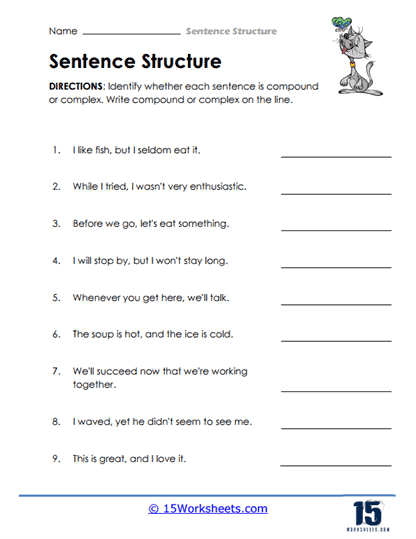
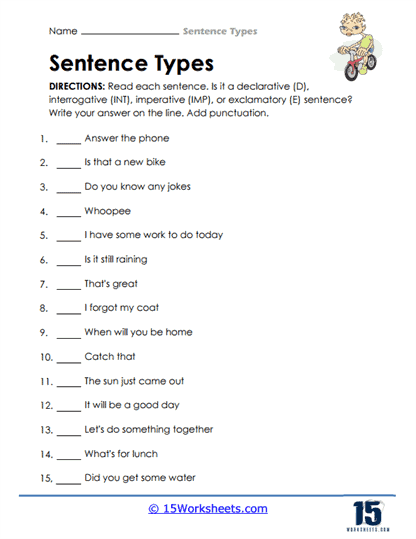
Understanding the different types of sentences and their structures allows writers to use a variety of sentence types effectively to convey information, express emotions, and engage readers in various writing contexts.
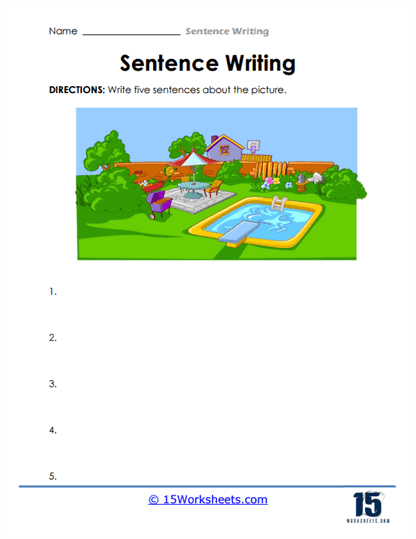
Improving your sentence writing skills can significantly enhance the clarity, coherence, and effectiveness of your writing.
These sheets are great to learn how to be completely clear for transferring knowledge between people or groups.
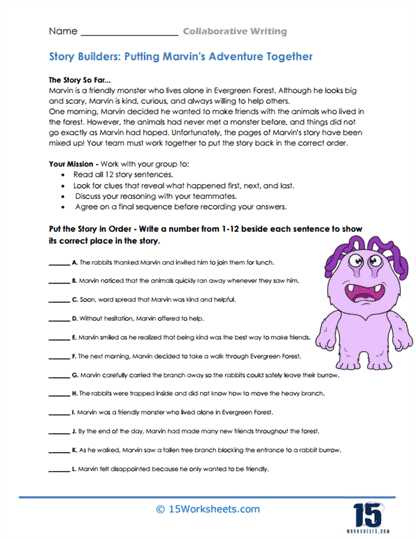
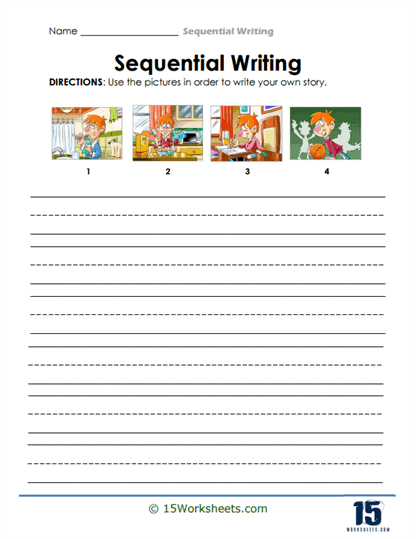
Sequential Writing
Students practice putting ideas, steps, or events in the correct order, like telling a story from beginning to end or explaining how to do something. It builds logical thinking and clear organization skills in writing. Perfect for helping kids connect cause, effect, and flow in their work.
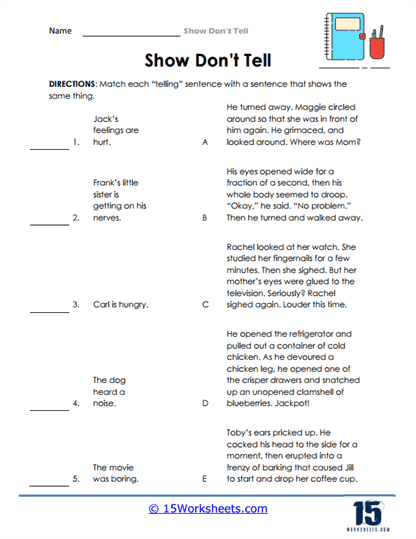
This is a unique writing mantra that focusing on using descriptive details and actions to convey emotions, thoughts, and experiences to readers, rather than simply telling readers what to feel or think.
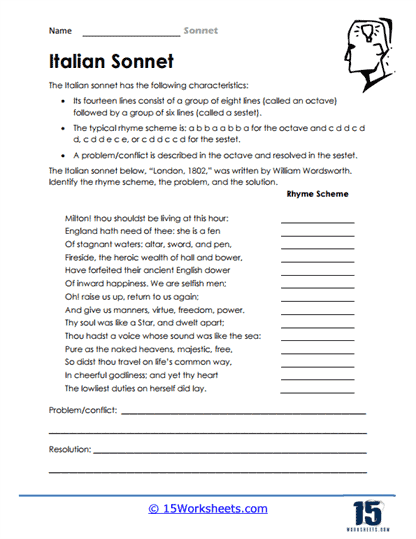
These poems normally have a set structure, rhyming scheme, and meter. We explore the technique and help students better understand their use and purposes.
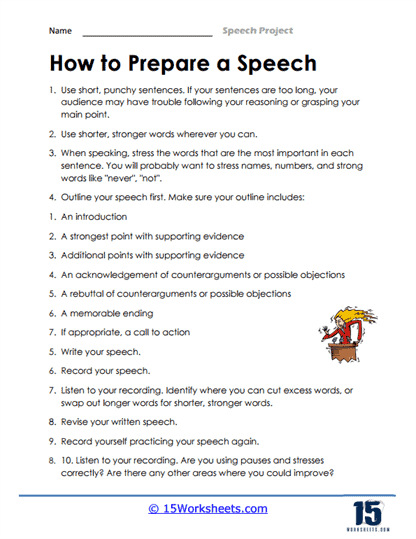
We set students up to work on their spoken language and communicate ideas and concepts in a better manner.
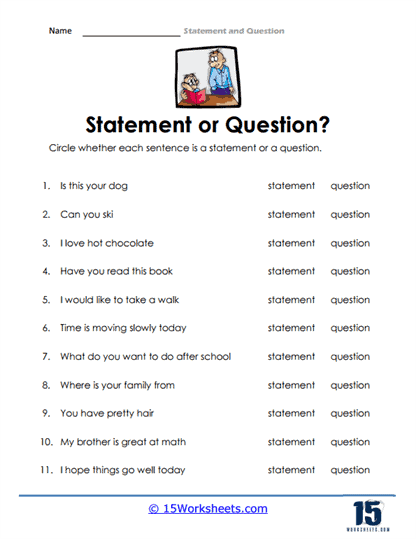
Students learn the difference between the two and how to pivot between them, when needed.
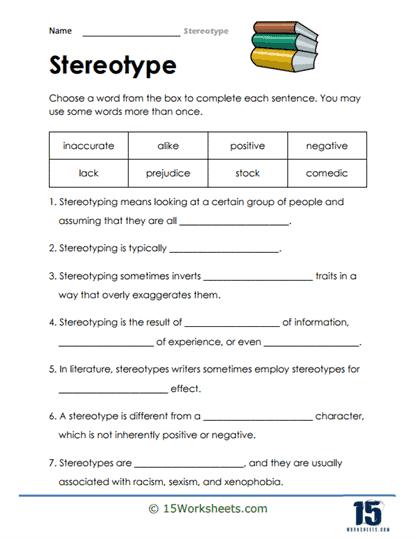
These are generalizations or oversimplified beliefs about a particular group of people, often based on assumptions or limited experiences. We help students learn to spot them and understand the inaccuracies that may exist.
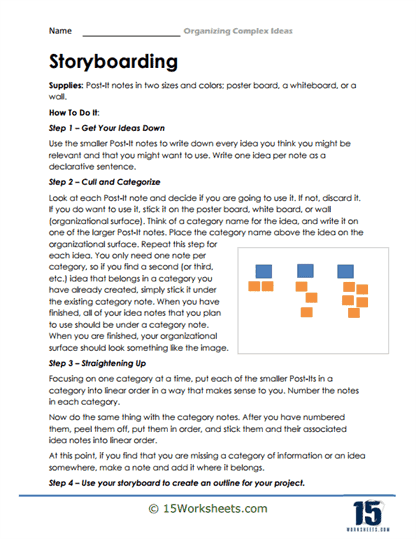
If you were about to write a substantial literary work, this is where you would start. The overall goal is to communicate the general outline of the work that you will put together.
This is a simple, but highly effective writing practice that teachers can use to heighten creative writing.
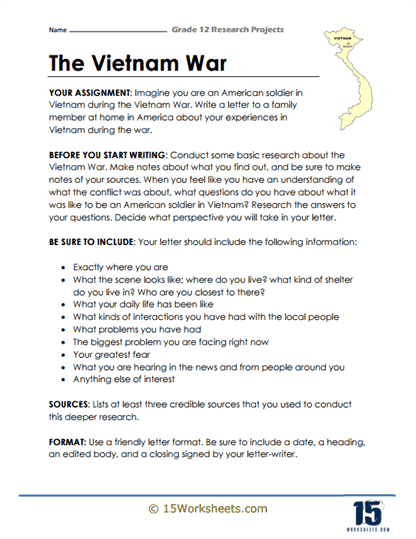
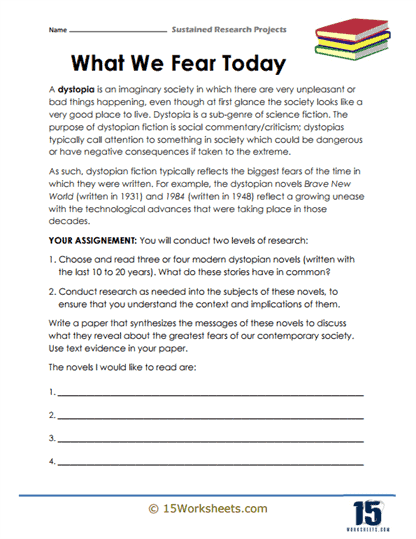
This is the process of conducting a comprehensive and long-term investigation into a particular topic or issue. This usually includes topics that require several hours of research, at a minimum.
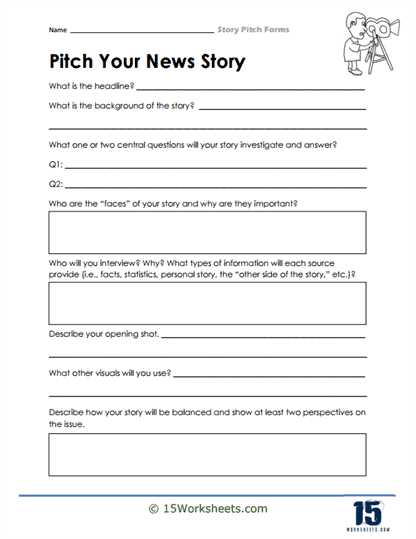
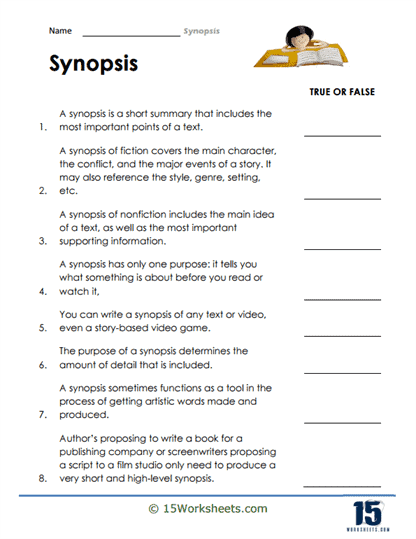
The overall purpose is to provide a quick overview of the work, allowing readers or potential readers to quickly determine whether they are interested in reading or watching the full work. It is often used as a marketing tactic.
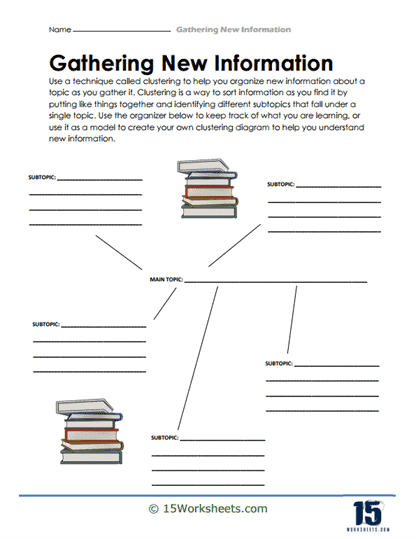
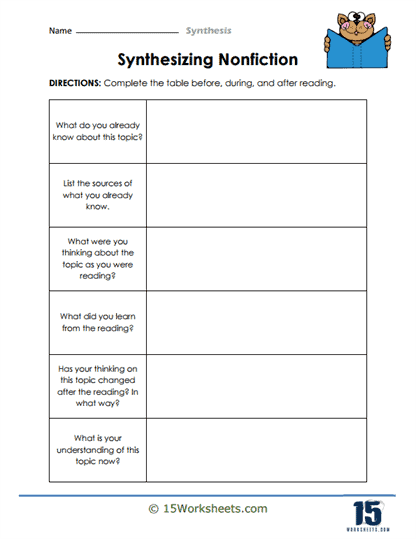
We work on the process of combining multiple sources or ideas to create a new understanding or perspective on a particular topic or issue. The goal is to weave all this together to compose a cohesive argument or narrative.
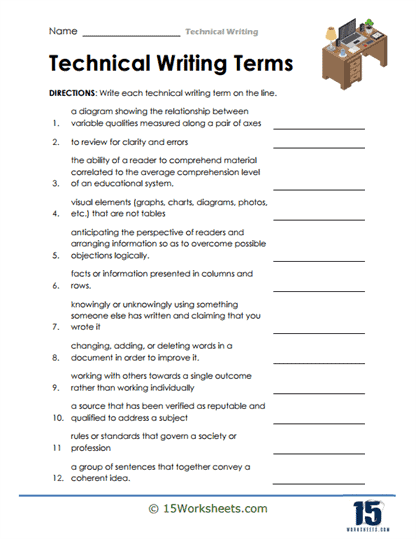
Technical Writing
Students learn how to explain tasks, processes, or information in a clear and precise way-just like instruction manuals or how-to guides. It focuses on clarity, organization, and using exact language. A practical skill that prepares students for real-world communication.
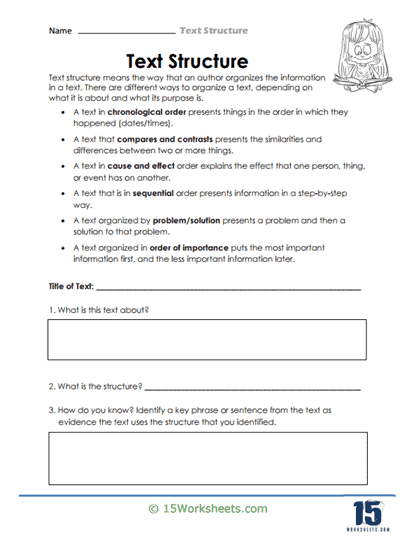
This is an important aspect of organize written pieces and presenting them in a way that improves the presentation to readers. This makes it easier to understand and follow.
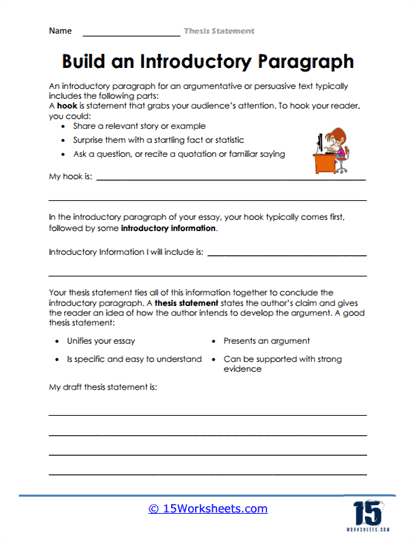
These provide a clear and concise summary of the main point or argument of an essay or research paper. It serves as a roadmap for the reader.
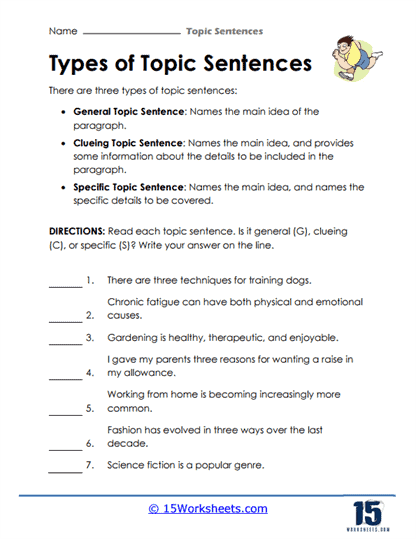
These express the main idea or central point of a paragraph. They serve as a concise summary of the paragraph’s content and act as a guide for the reader to understand what the paragraph will be about.
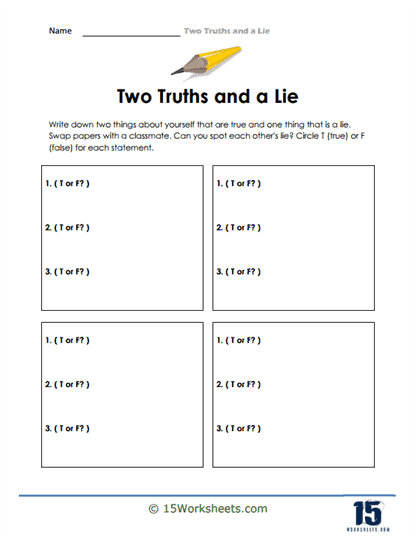
Students will learn to discern between statements and sentences that imply facts and inaccuracies. As the name suggests, you will point out the inconsistency.
Students will breakdown writing pieces that need some restricting but does not require a full rewrite.
Using Multiple Forms of Figurative Language
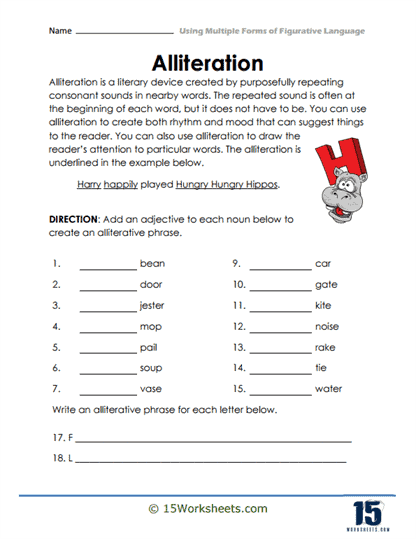
We have a significant figurative language worksheets area. These particular worksheets focus on how to combine many of these different thoughts in our work.
This can be used to gain the attention of readers. We explore several different techniques that you can use.
We learn how to bring a narrative to life through use of language that we do not always experience.
Who, What, Where, When, Why, How
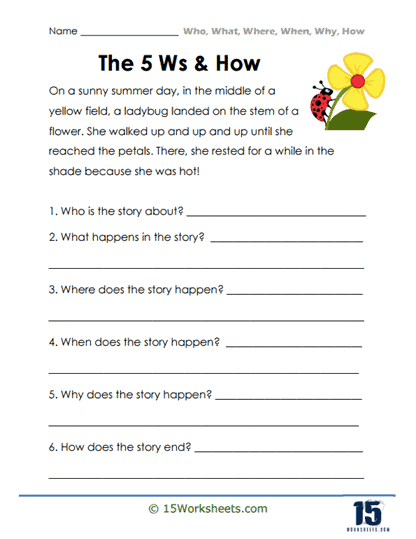
This worksheet gets students practicing the six big question starters that form the backbone of strong writing and research. It encourages curiosity and helps them gather complete information for stories, reports, or answers. A simple but powerful tool for building detail and depth in writing.
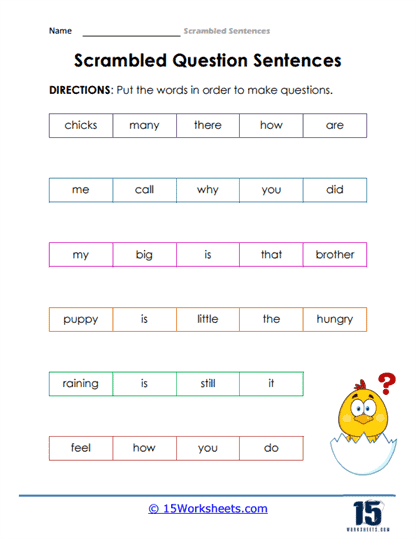
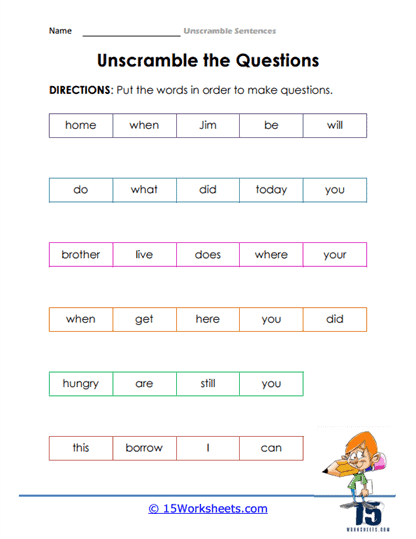
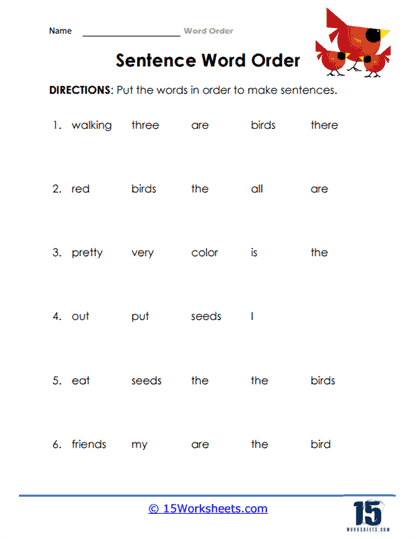
A simple rearrangement can change the meaning of the sentence or make it confusing for the reader. Our goal is to overcome ambiguity.
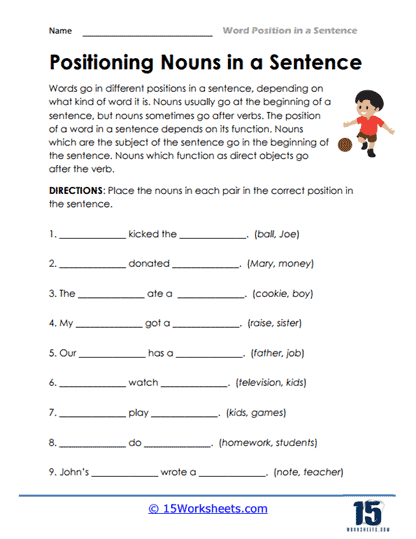
Students learn how to position words and phrases in sentences to improve the impact of the messages.
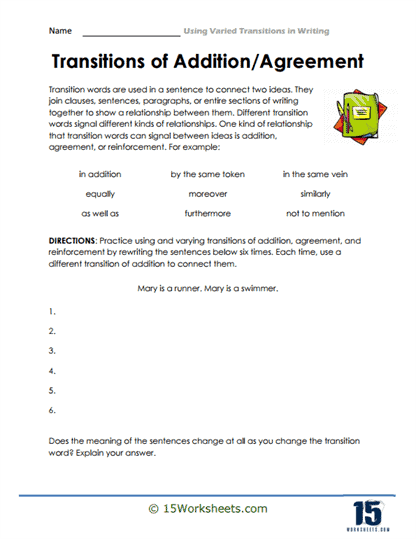
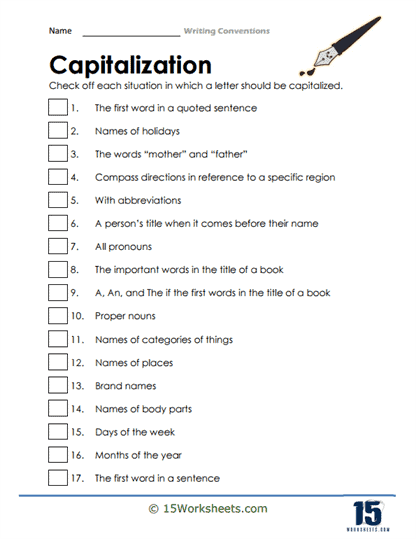
These are a set of generally accepted rules and guidelines that writers follow in order to effectively communicate their ideas to the reader. This tends to tie everything together for writers.
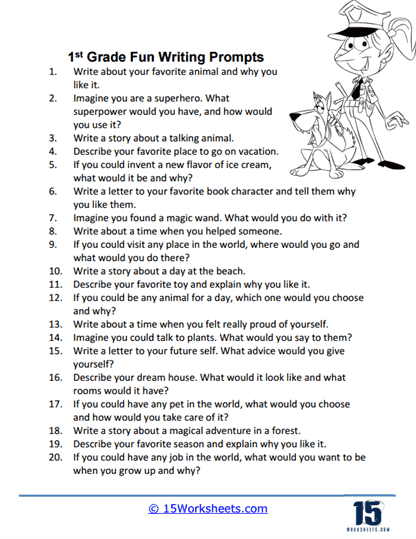
These prompts are specific ideas, questions, or statements provided to writers to inspire and guide their writing. They serve as a starting point or stimulus to generate ideas and creativity, helping writers overcome writer’s block and encourage them to explore different topics or writing styles.