
Holidays Worksheets
About Our Holiday Worksheets
Holidays are more than just dates on a calendar-they’re shared stories, family traditions, cultural expressions, and opportunities to pause, reflect, and connect. That’s the spirit behind our collection of holiday worksheets.
We’ve designed these resources not just to review academic skills, but to bring a meaningful, seasonal touch to classroom learning. You’ll find a wide variety of subjects-math, language arts, science, social studies, art, and history-all reimagined through the lens of celebration and tradition.
Whether you’re working with young learners or older students, you’ll discover content suited to different ages and abilities. Some worksheets prompt students to explore their own holiday traditions through writing. Others offer historical perspectives on how a holiday came to be, or invite critical thinking through themed math challenges. For younger children, you might choose a simple coloring activity tied to the season. For older students, a reading passage about the cultural roots of a celebration might spark rich discussion or reflection.
We believe holidays offer a unique way to anchor learning-making lessons more relevant, engaging, and memorable. A holiday-themed crossword can help reinforce vocabulary in a way that feels like play. A themed science experiment might tie a seasonal change to classroom curiosity. Even something as simple as a short reading passage can turn into a meaningful conversation about culture, family, or history.
To help you navigate, we’ve organized our worksheets by the month in which each holiday typically occurs. You may notice some holidays appear across multiple months, reflecting how traditions vary around the world. If you prefer to browse alphabetically, just use the navigation menu on the left.
January
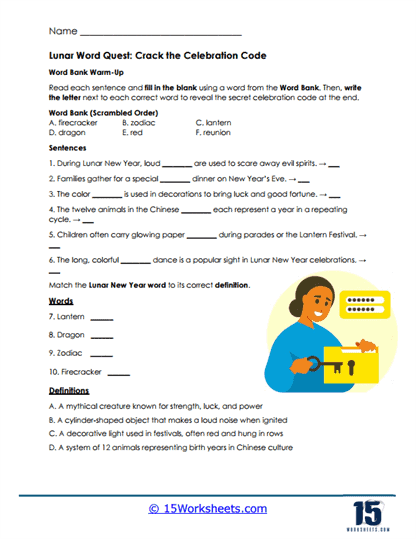
A traditional holiday celebrated by many East Asian cultures, marking the beginning of the lunar calendar. It typically falls between late January and mid-February and is observed with family gatherings, festive meals, red decorations, and cultural rituals meant to bring good luck. In the U.S., communities with Chinese, Korean, Vietnamese, and other Asian heritages often celebrate with parades, dragon dances, and public festivals.
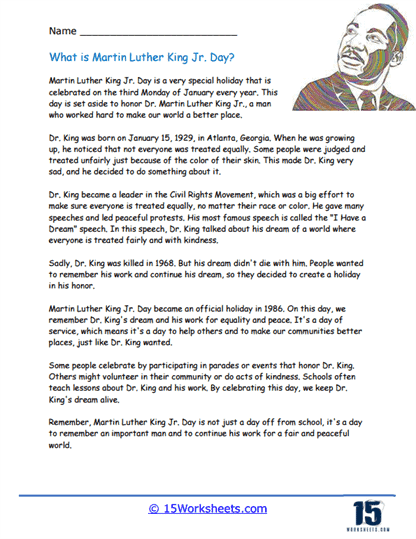
A federal holiday in the United States that commemorates the birthday of civil rights leader Dr. Martin Luther King Jr. It is observed on the third Monday of January each year, which is around the time of King’s birthday, January 15.
This is a tradition in which people make a commitment to change or improve something about themselves or their lives at the start of a new year. Students practice reflective writing by crafting their own New Year’s resolutions. Worksheets guide them through goal-setting and clear sentence construction.
February
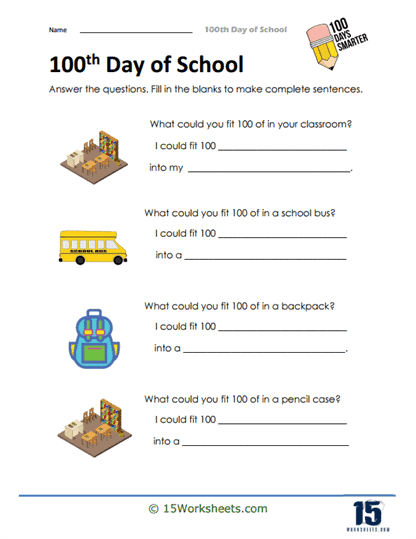
This is a celebration that takes place in most primary and elementary schools across North America. It revolves around the 100th day of the academic year, which is usually in late January or early February.
This annual celebration takes place in February in the United States, and in October in the United Kingdom and Canada. The focus is to acknowledge and honor the struggles and triumphs of Black people throughout history.
Chinese New Year marks the start of the lunar calendar and is celebrated with family gatherings, food, red envelopes, and festive decorations. It honors ancestors and welcomes prosperity and luck for the coming year.
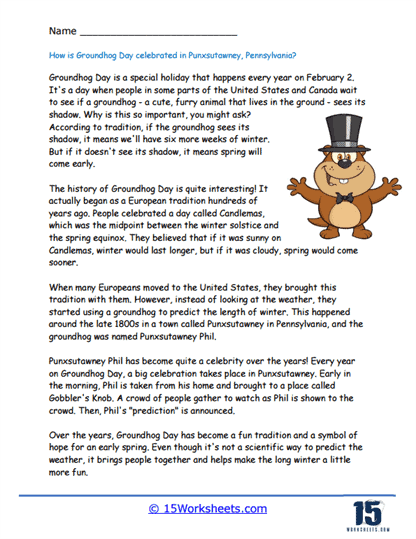
If the groundhog emerging from its burrow on this day sees its shadow due to clear weather, it will retreat to its den and winter will persist for six more weeks; if it does not see its shadow because of cloudiness, spring will arrive early.
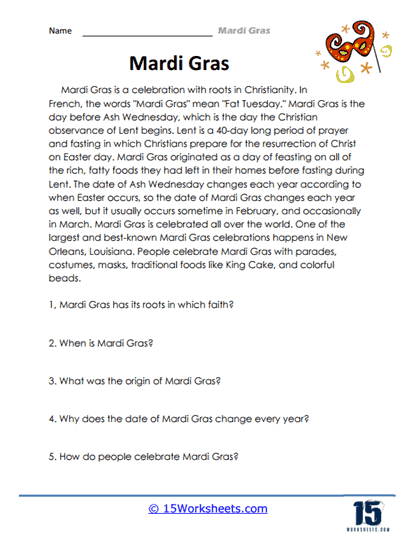
Fat Tuesday has been celebrated as far back as ancient Roman times. It has evolved over time to become a celebration of food, music, and community. Students discover Mardi Gras traditions, colors, and parades.
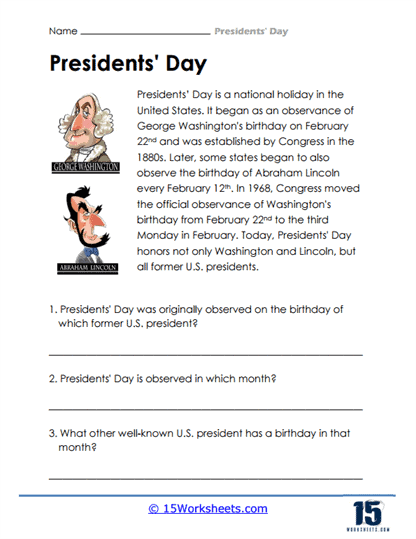
Celebrated on the third Monday in February it was originally established in 1885 to commemorate the birthday of George Washington, the first President of the United States. Learners study past U.S. presidents and their contributions through reading passages.
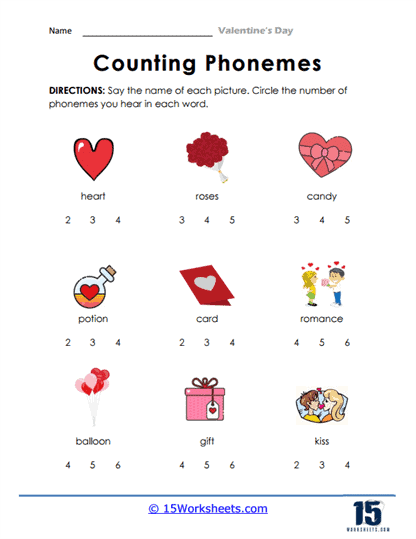
February 14th is traditionally a day to express love and affection towards romantic partners, but it is also celebrated as a day to appreciate friends and family. Students practice vocabulary and creative expression. Activities may include making cards or writing prompts.
March
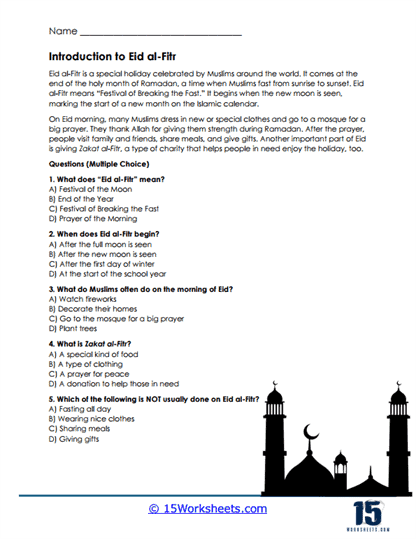
Students read passages about Eid traditions, feasts, and celebrations. Worksheets include vocabulary, comprehension, and reflection activities. The focus is on cultural awareness as well as literacy. Kids learn about community and gratitude while practicing reading skills.
March 8th is a day dedicated to celebrating the social, economic, cultural, and political achievements of women, as well as calling for gender equality and women’s rights around the world.
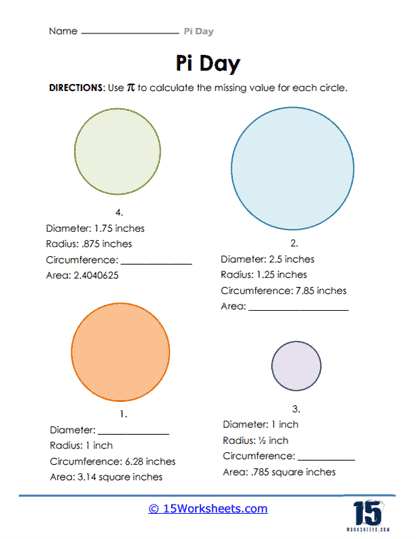
This is an annual holiday celebrated on March 14th (3/14 in the American date format), which honors the mathematical constant pi which is the ratio of the circumference of a circle to its diameter.
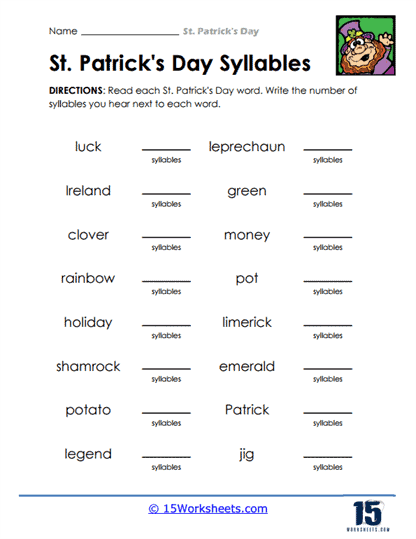
This day of green is a cultural and religious holiday celebrated on the 17th of March each year. These worksheets include reading passages, puzzles, and creative writing about Irish traditions. Students enjoy festive imagery while practicing literacy skills.
Its arrival is marked by significantly warmer weather, the blooming of a variety of plants, and longer daylight hours, all of which are generally due to the increase in sunlight reaching the Earth’s surface in the temperate regions.
Women’s History Month celebrates the achievements and contributions of women throughout history. It encourages education and awareness of the vital roles women have played in shaping society.
April
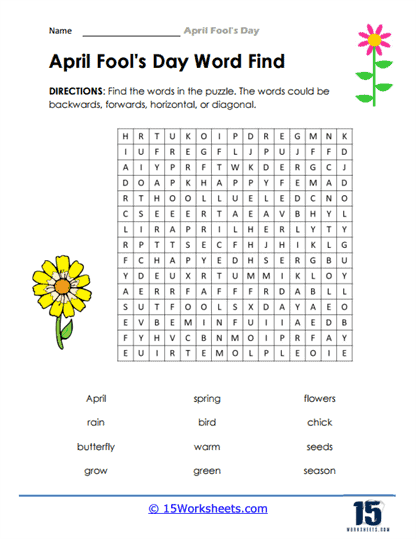
On the first day of every April, we go out of our way play lighthearted tricks and pranks on one another. You can often tell who is playing attention to calendar on this day.
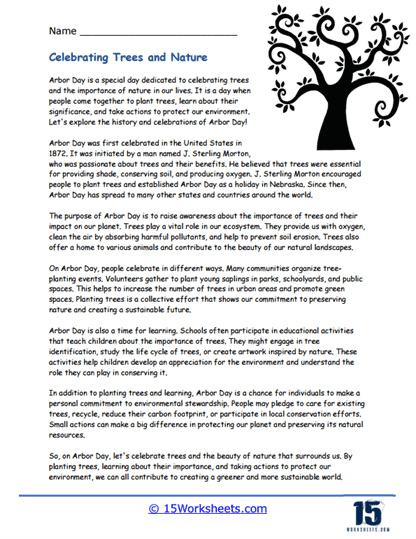
Learners explore the importance of trees and conservation through reading passages, vocabulary, and writing prompts. They practice comprehension while learning about the environment. Activities may include labeling tree parts or writing about planting trees. It connects language arts with real-world science.
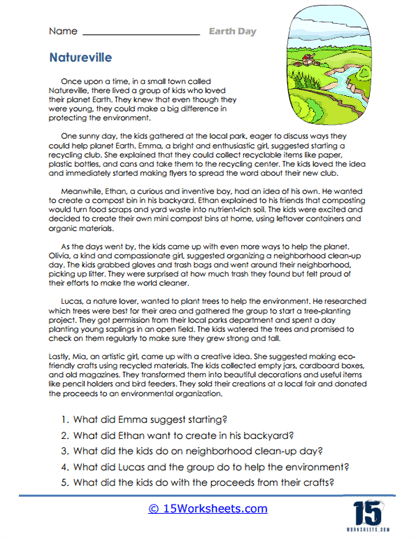
Celebrated worldwide on April 22 to demonstrate support for environmental protection. Students practice grammar and reading while learning about protecting the environment. Activities may include editing passages, writing about conservation, and solving eco-friendly puzzles. The worksheets tie literacy to real-world responsibility. A perfect springtime activity.
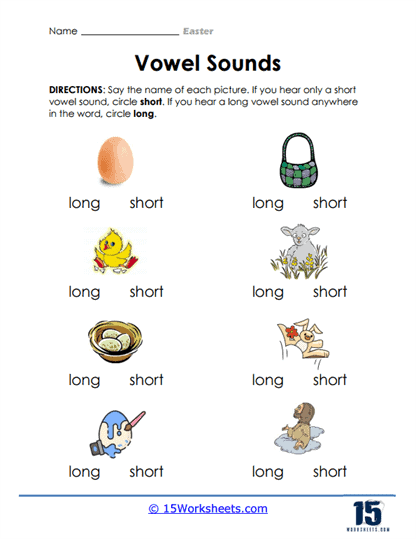
This Christian holiday commemorates the resurrection of Jesus Christ. Easter is a time of celebration, hope, and renewal, and is an important holiday for Christians around the world.
International Children’s Book Day
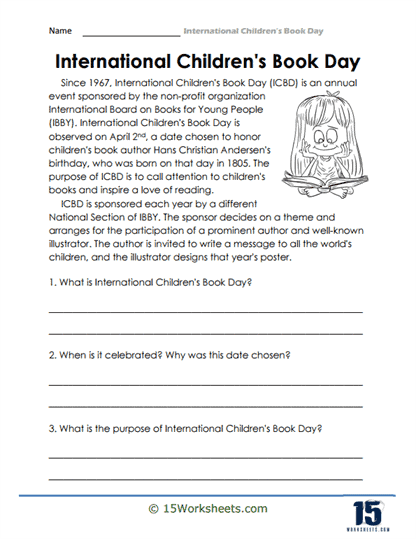
This is celebrated on April 2nd, which is also the birthday of the famous Danish author Hans Christian Andersen. The event was established by the International Board on Books for Young People (IBBY) in 1967 to promote children’s books and reading worldwide.
Passover is a Jewish holiday commemorating the Israelites’ liberation from slavery in Egypt. Families celebrate with a Seder meal, storytelling, and symbolic foods. These worksheets introduce Passover traditions and meaning.
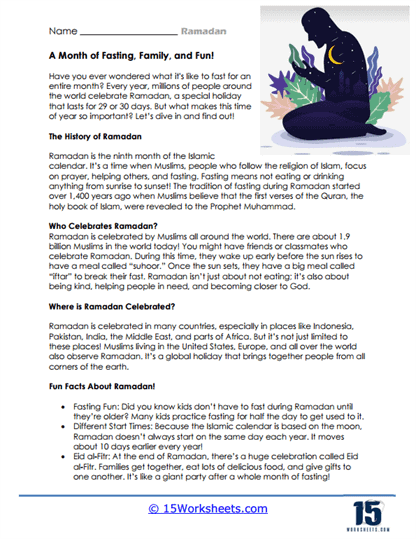
Ramadan is a holy month in Islam marked by fasting from dawn to sunset, prayer, and spiritual reflection. It honors the month in which the Quran was first revealed to the Prophet Muhammad.
May
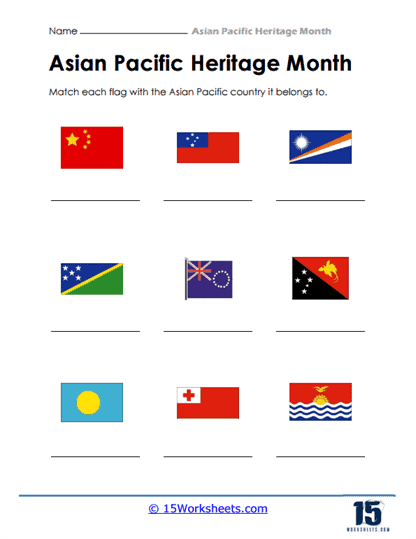
This worksheet set introduces cultural awareness through reading, vocabulary, and creative writing. Students learn about traditions, contributions, and history. They practice comprehension while celebrating diversity. It’s a meaningful way to integrate culture into the classroom.
Literally meaning the 5th of May in Spanish, this holiday is celebrated in Mexico and many parts of the United States. It commemorates the Mexican army’s victory over the French at the Battle of Puebla on May 5, 1862.
The end of the school year is a time to celebrate students’ progress and achievements. It often includes final exams, award ceremonies, and classroom clean-outs.
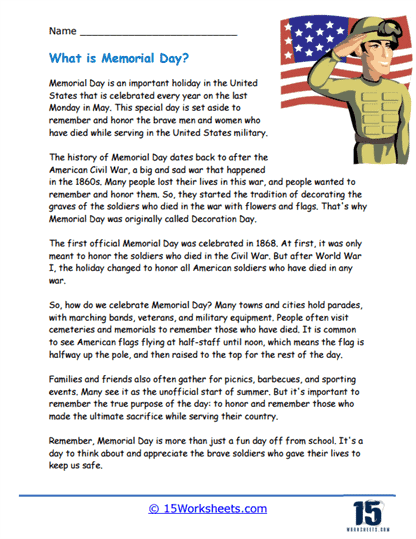
This day is for remembering and honoring persons who have died while serving in the United States Armed Forces. Learners connect language skills with civic respect.
It’s a day to appreciate and show gratitude to mothers for their endless sacrifice and unconditional love. This worksheet encourages students to reflect on mothers and caregivers. Activities may include writing prompts, poems, and descriptive passages. The focus is on gratitude and personal expression.
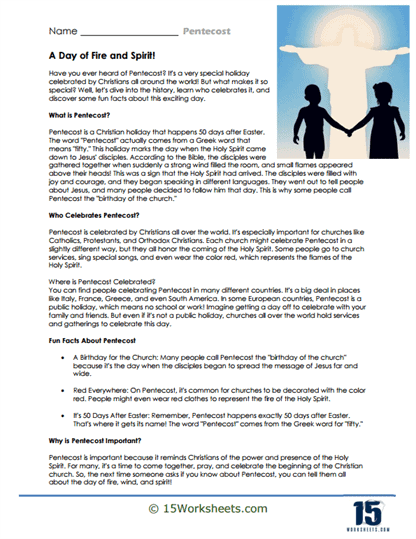
Pentecost is a Christian holiday commemorating the descent of the Holy Spirit upon the apostles. It is often seen as the “birthday” of the Christian Church. It’s an educational way to tie faith-based events to language arts.
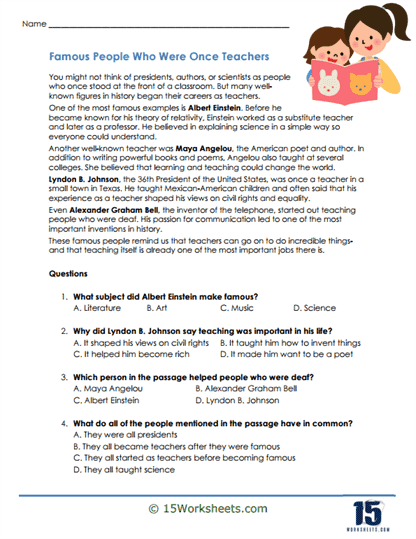
Teacher Appreciation Week honors educators for their dedication, hard work, and impact on students’ lives. Schools often celebrate with thank-you notes, small gifts, and special events.
June
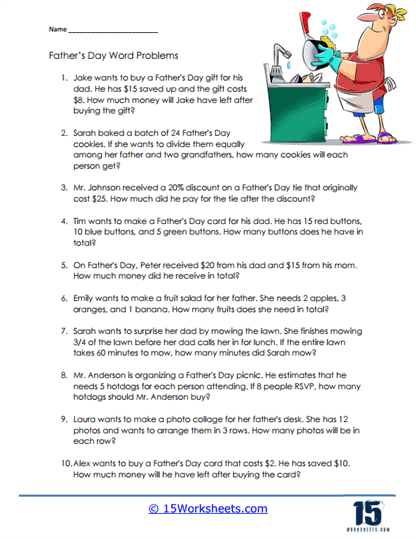
The day of the year that we celebrate dear old dad and fatherhood in general. Traditionally observed in the United States on the third Sunday of June. The activities tie literacy to family values. A warm, personal way to practice writing.
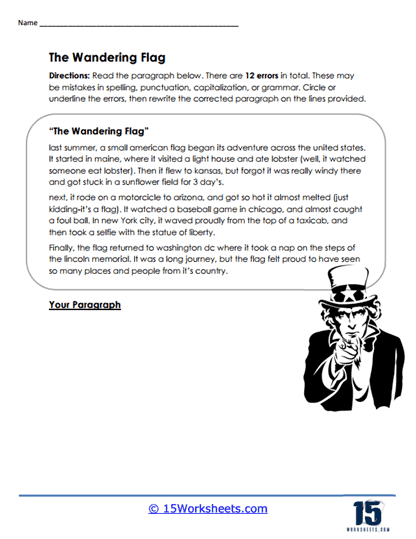
Learners read about the history of Flag Day and complete themed activities. Worksheets emphasize comprehension and patriotic vocabulary. The content connects language learning to civic pride. It’s educational and meaningful.
On June 19th the United States Commemorates the end of slavery on this day. This recently was elevated to a National Holiday though it had been observed in other States for many years.
July
This day marks the turning point of the French Revolution. This national French holiday takes place annually on July 14th and serves as a symbol of unity and patriotism.
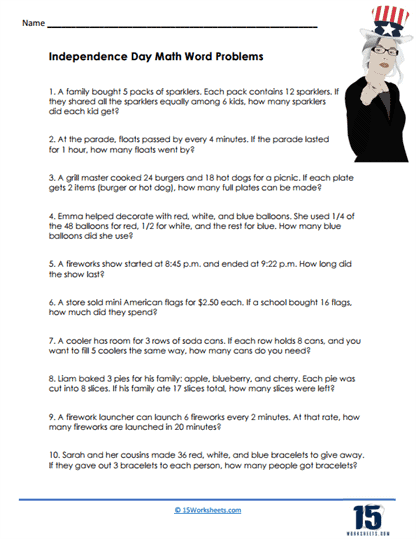
Worksheets celebrate the Fourth of July with passages and writing prompts about history and traditions. Students practice comprehension and patriotic vocabulary. The activities combine literacy with civic awareness. It’s a festive way to learn in midsummer.
August
Worksheets help students transition into a new school year with fun activities like goal-setting, icebreakers, and writing prompts. Kids reflect on summer and share their hopes for the year. It’s a mix of academic review and personal expression. A perfect way to start strong.
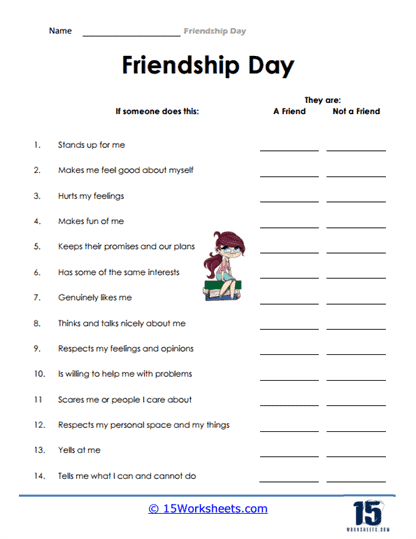
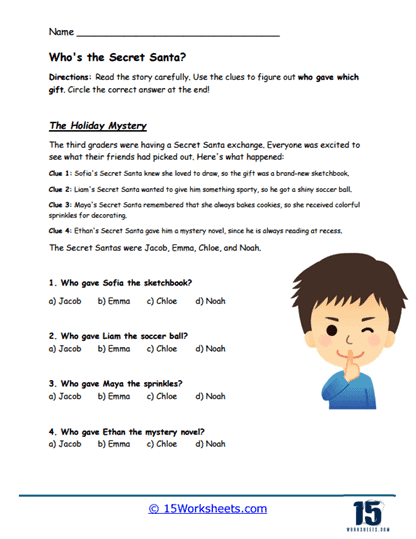
This is a holiday that we encourage teachers to celebrate with their students. It is celebrated at different times of the year based on where you are located. People typically spend time with their friends and show appreciation for their friendship.
September
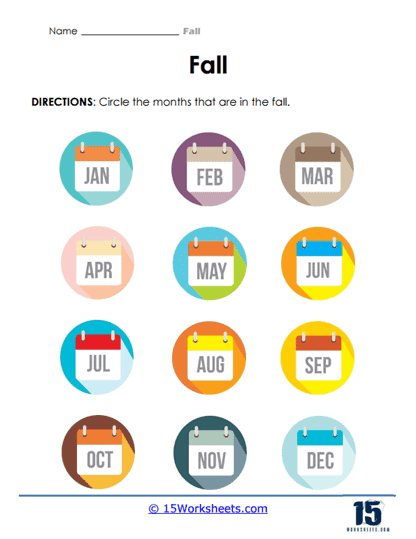
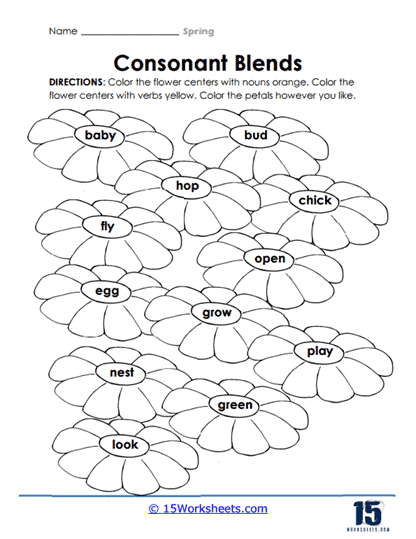
This season of the year is typically characterized by cooler temperatures, shorter days, and the changing colors of leaves on trees. Worksheets focus on autumn themes like leaves, harvests, and cooler weather.
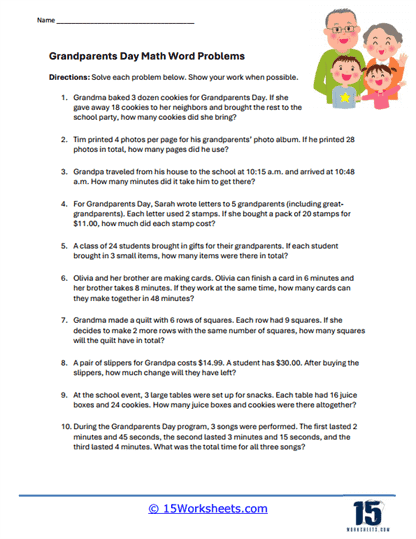
Grandparents Day celebrates the special bond between grandparents and grandchildren. It’s a day to show appreciation for their love, wisdom, and role in the family.
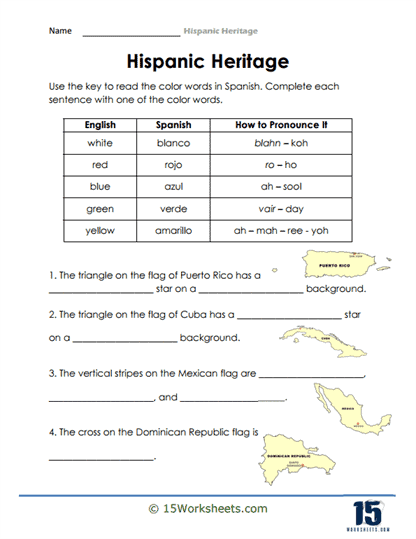
This is a time to recognize and celebrate the contributions, cultures, and histories of Hispanic and Latino Americans. It is typically held from September 15th to October 15th.
On the first Monday of every September this holiday honors the contributions and achievements of American workers and the labor movement, and it also marks the unofficial end of the summer season.
Patriot Day is observed on September 11 to honor the victims and heroes of the 2001 terrorist attacks in the U.S. It is a solemn day marked by moments of silence and remembrance.
This is the perfect theme for the start of the harvest season. There are so many language activities that you can include in your classes with this. Students complete word activities, creative writing, and classification. The seasonal theme keeps kids engaged.
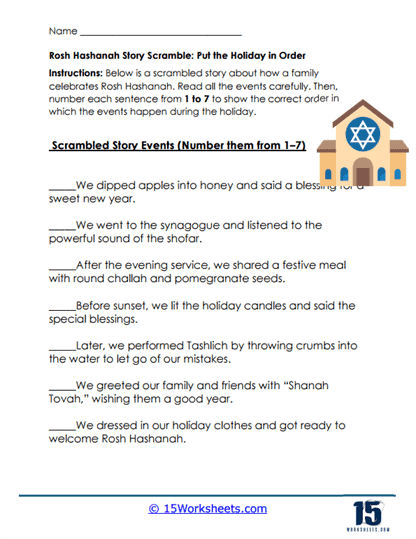
Students learn about Jewish New Year traditions through reading and writing activities. Worksheets emphasize comprehension and vocabulary. The holiday’s themes of reflection and renewal make for meaningful learning.
October
Commemorates the arrival of Christopher Columbus in the Americas on October 12, 1492. It’s traditionally observed on the second Monday in October.
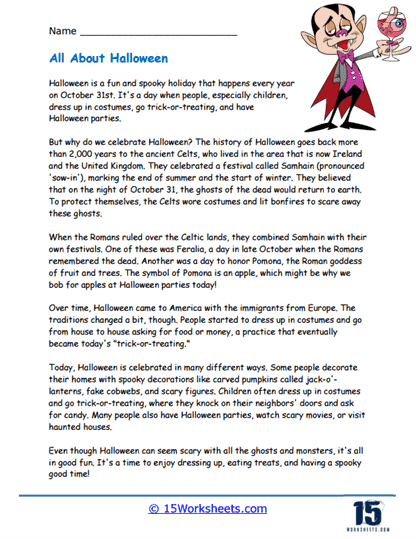
The celebration has really evolved over the years. It all began we a Celtic tradition of wearing costumes to ward off ghosts. Students enjoy spooky-themed activities with passages, grammar edits, and word games. Worksheets focus on reading and writing while celebrating the holiday.
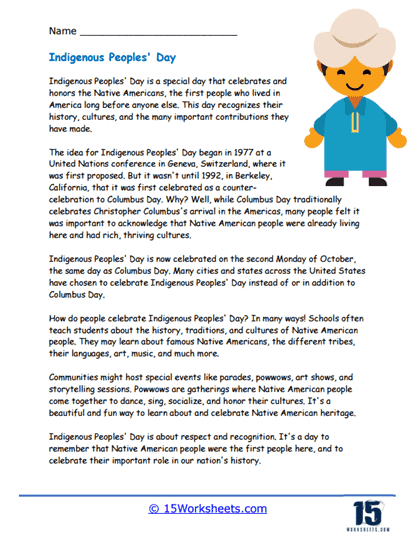
Celebrates the history, culture, and contributions of Native American people and acknowledges their rich and diverse civilizations before and after the arrival of European settlers to the Americas.
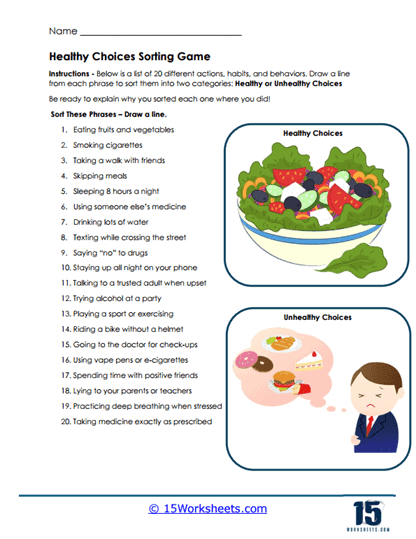
Red Ribbon Week promotes drug-free lifestyles and raises awareness about substance abuse prevention. Schools often hold themed days and educational activities to support healthy choices.
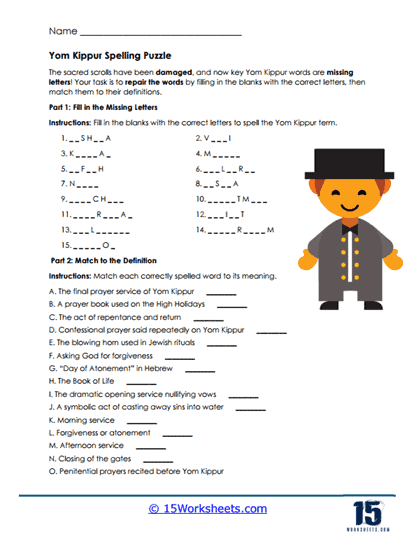
This worksheet introduces the meaning and traditions of Yom Kippur. Students practice reading comprehension and reflection. It’s a respectful and informative way to tie cultural awareness to academic practice.
November
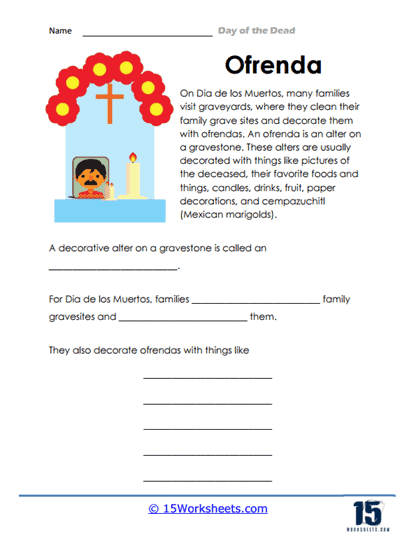
Also known as Dia de los Muertos, this a Mexican holiday celebrated on November 1st and 2nd. It is believed that during this time, the spirits of the dead return to the world of the living to be with their families and loved ones.
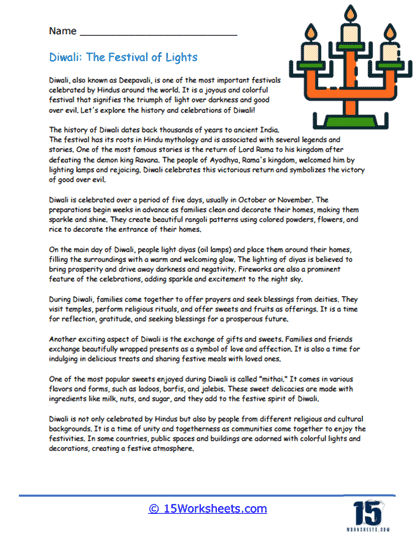
One of the most important and vibrant festivals celebrated by Hindus, Jains, Sikhs, and some Buddhists around the world. It’s commonly known as the “Festival of Lights,” and it symbolizes the spiritual victory of light over darkness, good over evil, and knowledge over ignorance.
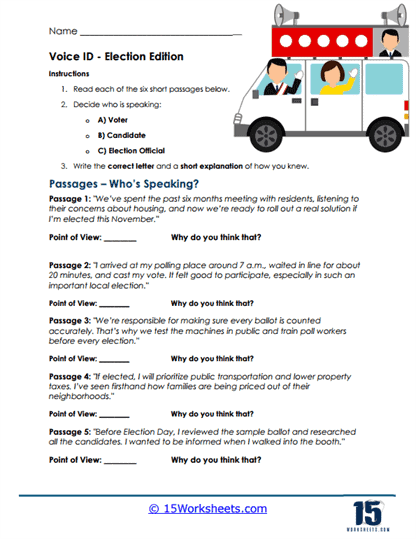
Election Day in the U.S. is held on the first Tuesday after the first Monday in November. It’s the day citizens vote in local, state, and federal elections. These worksheets introduce students to the voting process and the importance of democracy. Activities include reading passages, writing about civic duty, and themed puzzles.
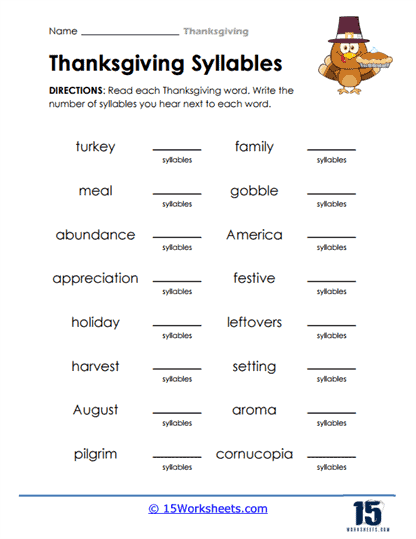
A day for families and friends to get together for a special meal. Learners practice reading, writing, and reflection through themed activities about Thanksgiving. Worksheets explore history, traditions, and gratitude.
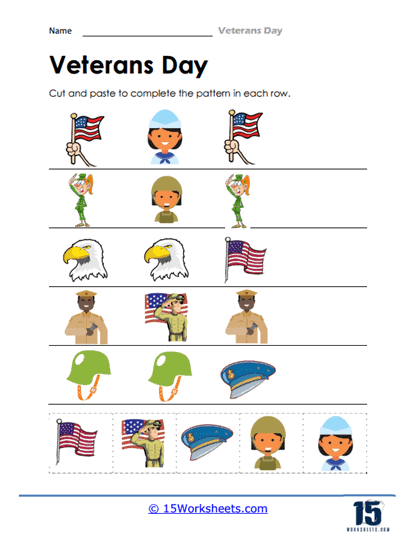
Celebrated on November 11th each year this a day to honor and thank military veterans who have served in the U.S. Armed Forces and defending the country. Worksheets highlight service, sacrifice, and respect.
December
Boxing Day is observed on December 26, mainly in countries with British influence, and is traditionally a day for giving to those in need. In the U.S., it is sometimes marked by post-Christmas sales and charitable acts.
This holiday originates from Christian Bible and is celebrated December 25th annually. Christmas is a time of joy and celebration, and it represents different things to different people.
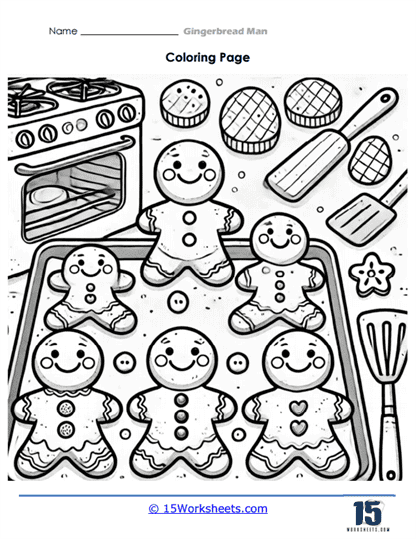
The Gingerbread Man is a classic holiday character associated with winter festivities. Children often decorate gingerbread cookies as a fun seasonal activity. This worksheet set uses the classic Gingerbread Man story for literacy activities. Students practice sequencing, reading comprehension, and creative retelling.
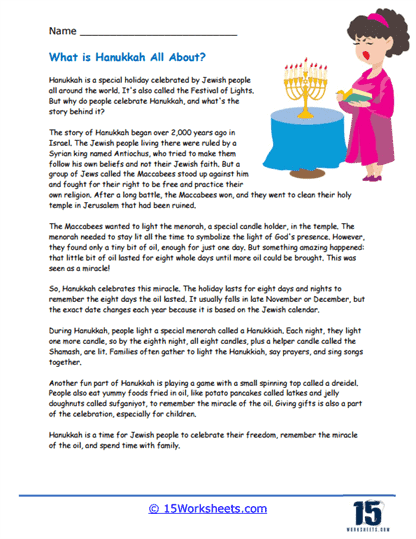
An eight-day Jewish holiday that typically falls in late November to late December. Students practice comprehension alongside cultural awareness. It’s festive and educational.
The seven-day annual celebration that honors African heritage in African-American culture. Students learn about Kwanzaa traditions, principles, and celebrations. Worksheets include reading comprehension and themed activities.
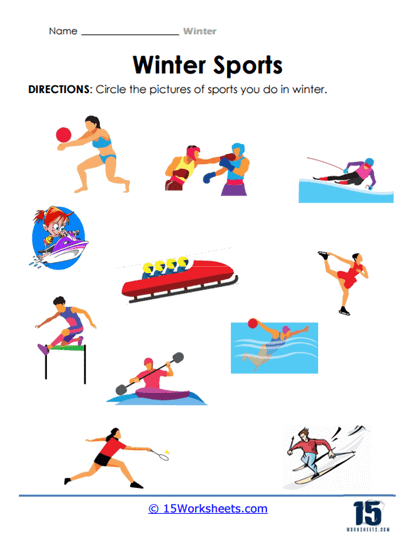
The days are shorter, and the nights are longer, as the Earth’s axis is tilted away from the sun. This causes temperatures to drop, often resulting in snow, ice, and other winter weather conditions in many areas.