
Handwriting Worksheets
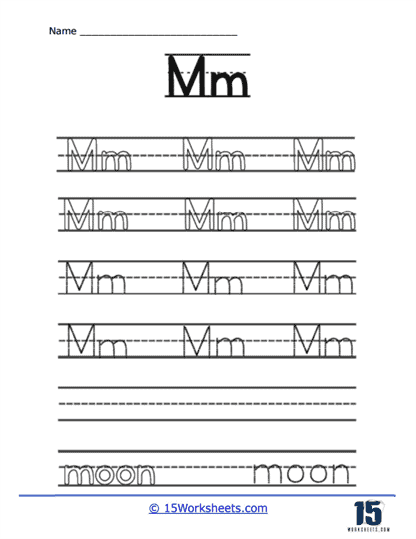
All About Our Handwriting Worksheets
Help students build confidence, control, and neat handwriting with our free printable handwriting worksheets. Whether your child is learning basic letter formation, practicing number tracing, or moving into cursive and penmanship, these print-ready resources offer focused practice for every level. Explore each handwriting style to find the worksheets that fit your learner best.
Choose Your Handwriting Style
Finding the right handwriting style can make practice more effective and enjoyable. Each set of worksheets below is designed to support a specific approach to letter formation, helping students build confidence and consistency. Explore each category to discover the best fit for your learner.
Block Style Print
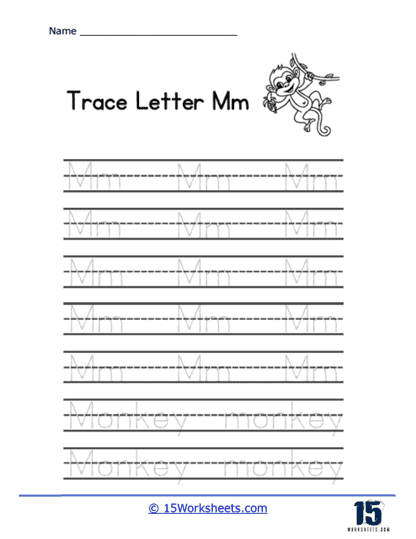
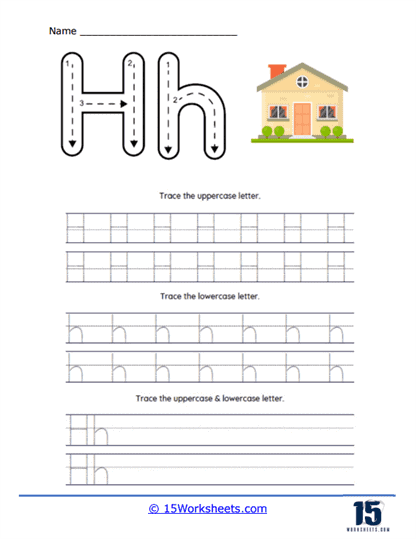
Block style print focuses on clear, simple letter shapes that are easy for beginners to recognize and reproduce. These worksheets are ideal for early learners who are just starting to develop handwriting skills and need structured, easy-to-follow models. With consistent practice, students build a strong foundation in letter formation and spacing.
Bubble Letters
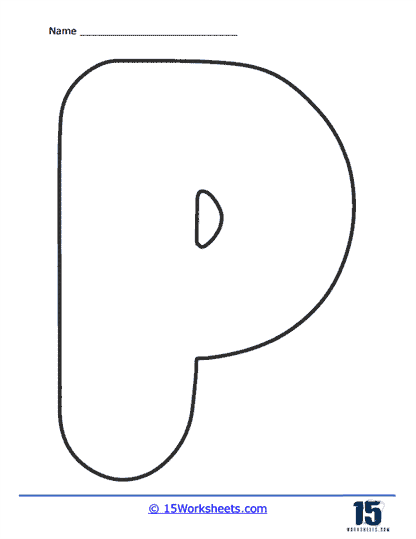
Bubble letters introduce a fun and creative way to practice letter recognition and formation. These worksheets encourage students to trace and decorate large outlined letters, helping improve control and visual awareness. They are especially effective for younger learners who benefit from engaging, low-pressure handwriting activities.
Calligraphy
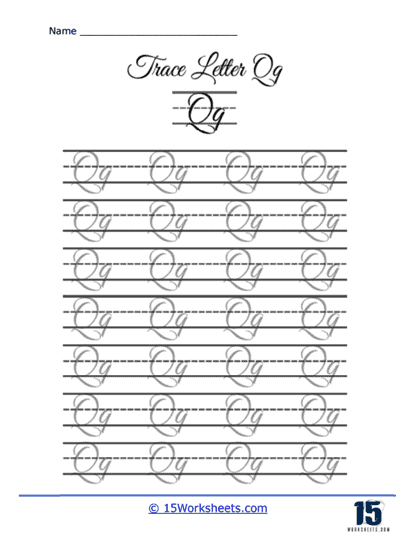
Calligraphy worksheets guide students through decorative and stylized writing techniques that emphasize precision and control. Learners practice stroke order, spacing, and consistent line thickness to create elegant letterforms. This style is ideal for older students or anyone interested in artistic handwriting development.
Cursive Letters
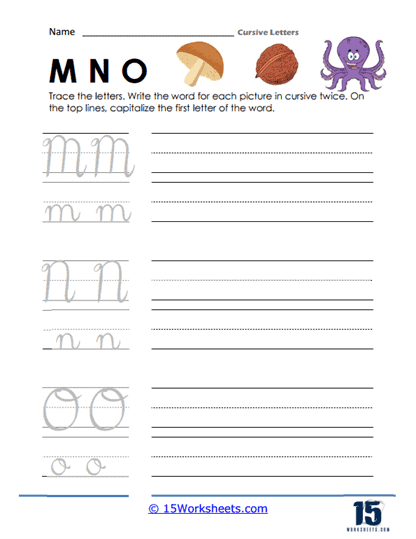
Cursive letter worksheets help students learn how to connect letters smoothly and write with natural flow. These activities focus on proper stroke sequence, letter connections, and rhythm in writing. Practicing cursive improves writing speed and helps students develop a more fluid handwriting style.
D’Nealian Style Print
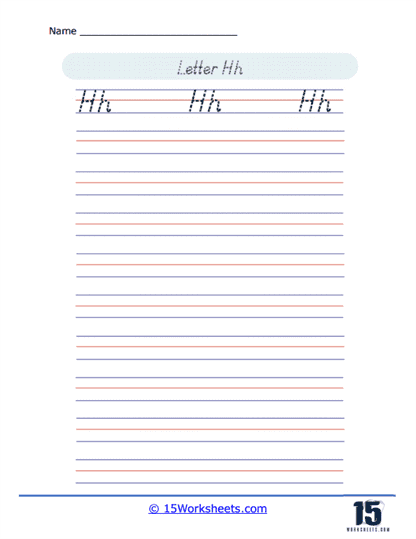
D’Nealian style print serves as a bridge between manuscript and cursive writing. The slightly slanted letters and connecting strokes prepare students for transitioning into cursive more easily. These worksheets help learners build confidence while developing more advanced handwriting patterns.
Number Tracing
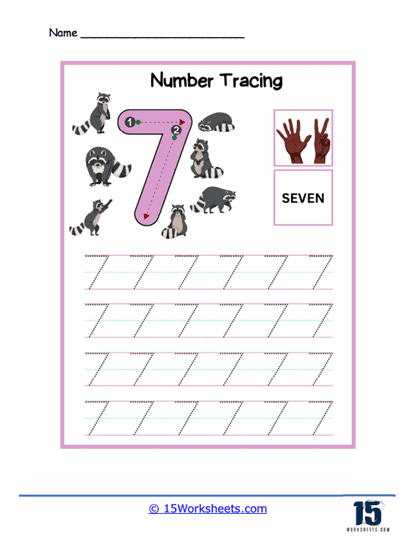
Number tracing worksheets support early math and handwriting skills by helping students practice writing numbers correctly. Through guided tracing, learners improve number formation, sequencing, and fine motor control. These activities are perfect for preschool and kindergarten students beginning their writing journey.
Penmanship
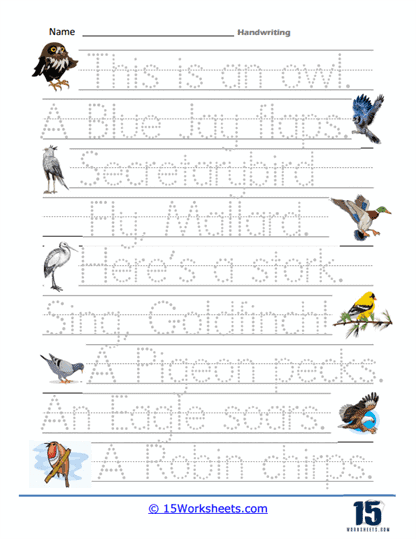
Penmanship worksheets focus on improving overall handwriting quality, including spacing, alignment, and consistency. Students refine their writing through repeated practice and structured exercises. This category is ideal for learners who want to improve legibility and develop neat, polished handwriting.
Print Manuscript
Print manuscript worksheets teach standard upright letterforms commonly used in early education. These worksheets emphasize clear, separate letters that are easy to read and write. They are perfect for beginners building foundational handwriting skills before advancing to more complex styles.
Zaner Bloser
Zaner-Bloser worksheets follow a widely used handwriting method that emphasizes simplicity and consistency. Students learn precise letter formation with clear stroke patterns and spacing guidelines. This structured approach helps learners develop legible handwriting and prepares them for both print and cursive writing.
The Importance of Handwriting Practice
Handwriting practice plays a key role in developing fine motor skills and hand-eye coordination. As students trace letters and numbers, they strengthen the small muscles in their hands and improve control, which supports not only writing but other daily tasks as well. Consistent practice helps build the precision needed for clear and accurate letter formation.
Beyond physical development, handwriting also provides important cognitive benefits. Research shows that writing by hand helps improve memory retention, reading skills, and overall literacy more effectively than typing alone. When students form letters on paper, they engage more deeply with language, reinforcing learning in a meaningful way.
Strong handwriting skills also contribute to legibility and confidence. When students can write neatly and clearly, they are better able to express their ideas and succeed in academic settings. This boost in confidence encourages greater participation, reduces frustration, and helps learners take pride in their work.
Tips for Effective Handwriting Practice
Helping students improve their handwriting doesn’t require long sessions-just consistent, focused effort. With the right approach and tools, practice can be both effective and enjoyable.
Start Small
Begin with short practice sessions of about 10-15 minutes to prevent fatigue and keep students engaged. Consistent daily practice is more effective than longer, less frequent sessions. As endurance improves, you can gradually increase the time.
Use Proper Tools
Make sure students are using appropriate pencils, grips, or even markers depending on the activity. A proper pencil grip can significantly improve control and reduce strain, especially for younger learners. For creative worksheets like bubble letters or calligraphy, markers can make practice more fun and visually engaging.
Focus on Form First
Encourage students to prioritize correct letter formation before speed. Slow, careful writing helps build muscle memory and prevents bad habits from forming. Once accuracy improves, speed will develop naturally over time.
Create a Distraction-Free Space
Set up a quiet, comfortable area where students can focus on their handwriting practice. Minimizing distractions helps improve concentration and leads to better results. Even a small, dedicated workspace can make a big difference.
Laminate for Reuse
For a simple and cost-effective solution, laminate worksheets or place them in sheet protectors. Students can then use dry-erase markers to practice repeatedly without needing to print new pages. This is especially helpful for parents and teachers who want reusable resources.
Handwriting Worksheet FAQs
What is the difference between Zaner-Bloser and D’Nealian handwriting?
Zaner-Bloser and D’Nealian are two widely used handwriting styles, each designed to support early writing development.
- Zaner-Bloser: Traditional block-style print with upright letters and simple strokes
- D’Nealian: Slightly slanted letters with connecting “tails” to ease the transition to cursive
- Best Use: Zaner-Bloser is ideal for beginners, while D’Nealian helps prepare students for cursive writing
At what age should a child start practicing handwriting?
Children develop handwriting skills in stages, starting with early pre-writing activities.
- Ages 3-4 (Preschool): Begin with tracing lines, shapes, and basic patterns
- Ages 5-6 (Pre-K/Kindergarten): Start formal letter and number formation
- Key Tip: Keep practice short, consistent, and pressure-free to build confidence
How can I help a student who struggles with pencil grip or hand fatigue?
Simple tools and adjustments can make handwriting more comfortable and effective.
- Use short pencils (golf pencils) to promote better control
- Add pencil grips to support proper finger positioning
- Start with larger activities like bubble letters before moving to fine tracing
- Keep sessions brief to prevent fatigue and frustration
Are these handwriting worksheets free to use in a classroom or homeschool setting?
Yes-these resources are designed to be easy and accessible for educators and families.
- 100% free to download and print
- No sign-up or subscription required
- For classroom, homeschool, and extra practice at home
- Created by teachers and ready for immediate use
Why is handwriting still important in the age of tablets and computers?
Handwriting continues to play a critical role in learning and development.
- Improves memory retention and information processing
- Strengthens reading and literacy skills
- Builds fine motor control and coordination
- Helps students develop confidence through clear, legible writing