
Preschool Worksheets
About Our Preschool Worksheets
These worksheets cover a wide range of subjects and skills, aiming to prepare young children for formal schooling while encouraging their overall development. They include activities related to early literacy, numeracy, fine motor skills, shapes, colors, patterns, social skills, science exploration, and more.
These worksheets play a vital role in promoting early childhood education and fostering holistic development. By providing hands-on and engaging activities, these worksheets create a solid learning foundation, setting the stage for children’s future academic achievements and lifelong learning.
Research has shown that children who attend preschool are more likely to perform better in school, have higher rates of high school graduation, and go on to attend college. They are also more likely to have better social skills, including better communication skills, problem-solving skills, and social interaction skills. Preschool has been linked to better emotional regulation and self-control in children, as well as a lower likelihood of engaging in risky behaviors in adolescence and adulthood.
This section of our website is dedicated to helping students that are not quite ready for a regular school day. We will continue to expand this section of our website, just keep telling us what topics you would like to see.
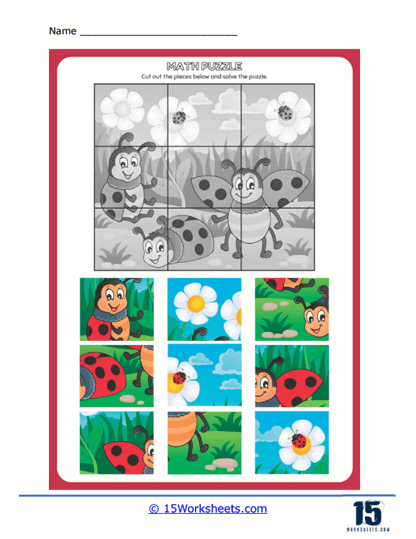
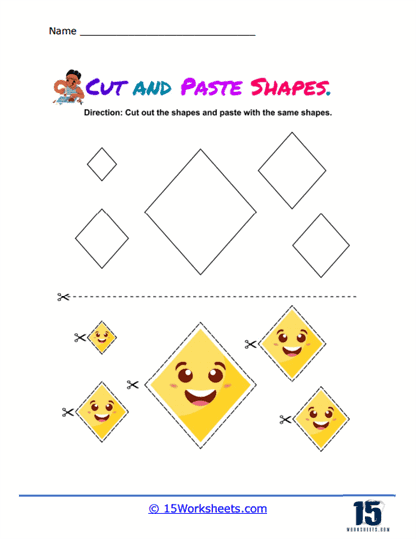
These cut out templates help little learners strengthen their fine motor skills while practicing careful cutting and following lines. Parents will love seeing how these simple hands-on activities build confidence, coordination, and classroom readiness in a fun and creative way.
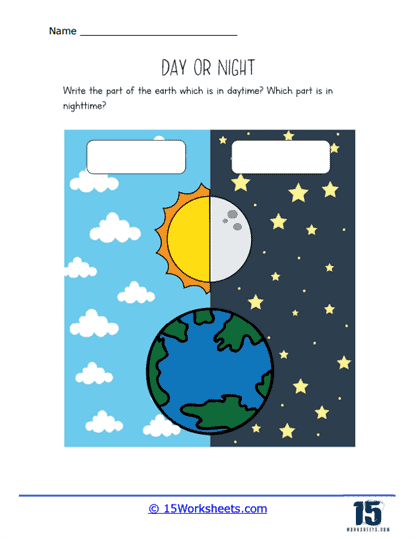
This collection teaches children how to recognize everyday activities and objects that belong during the daytime or nighttime. It’s a wonderful way to build early science understanding while encouraging conversations about daily routines at home.
We thought this may pertain more to our vocabulary section, but many educators have reached out to us and asked us to place it in this Preschool section.
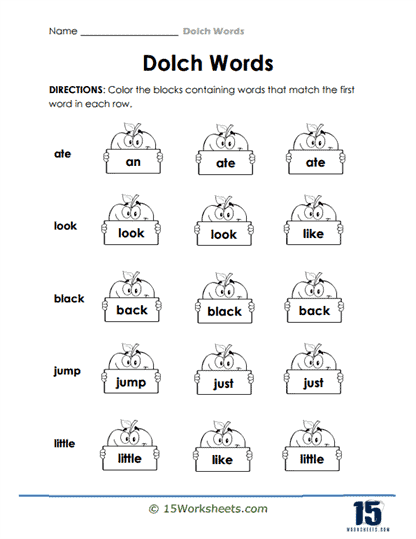
Our Dolch Words worksheets introduce children to common sight words that appear often in early reading. By practicing these high-frequency words regularly, young learners can build stronger reading confidence and fluency.
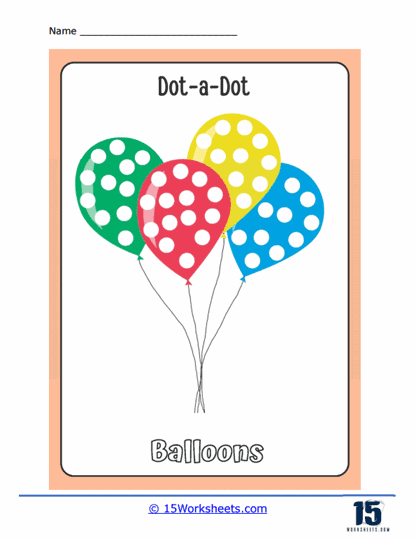
Dot markers are markers that have a round sponge or felt tip that creates a circular dot when pressed onto paper. As children dab and decorate each page, they strengthen hand control, color recognition, and attention to detail.
This can be a helpful activity for preschoolers as it can enhance their comprehension and recall of the story they have read. It can also help them develop their fine motor skills and improve their memory.
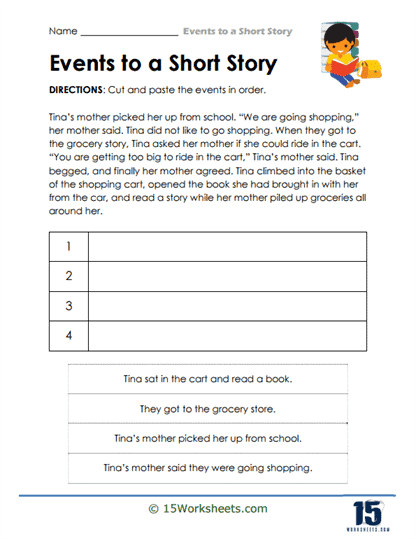
These worksheets help children understand how stories happen in order from beginning to end. By sequencing events, preschoolers develop stronger comprehension skills and learn how to retell stories with confidence.
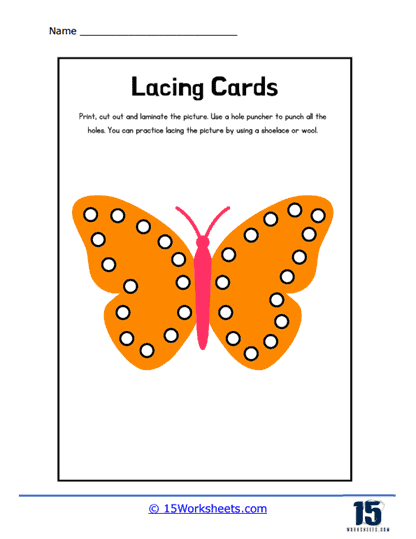
Hole punch activities are a fantastic way to strengthen little hand muscles that are needed for writing and everyday tasks. Children stay engaged while improving coordination, focus, and fine motor control through hands-on practice.
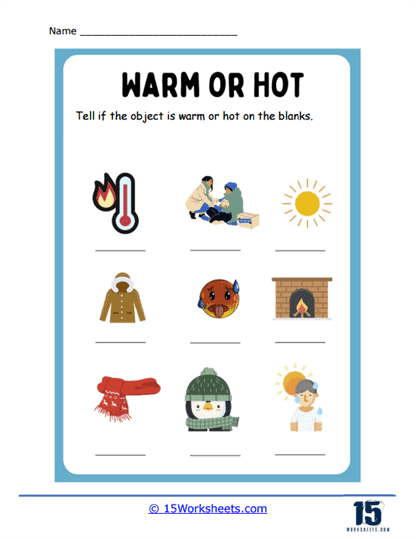
We related objects and items to this sense. The primary focus is to identify things that may be dangerous for children. It’s an easy and interactive way to build vocabulary, observation skills, and early science awareness.
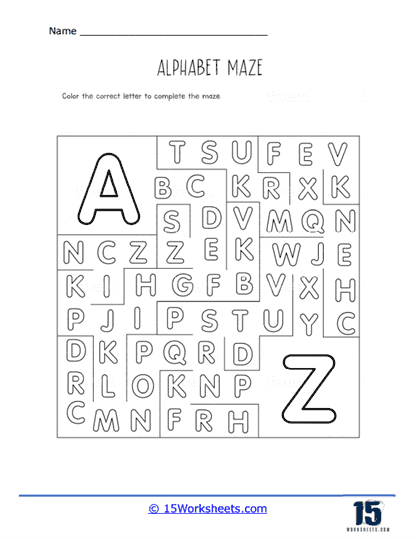
This is one of the monster sections of our site. We cover every letter of the alphabet individually and also group them into related sets.
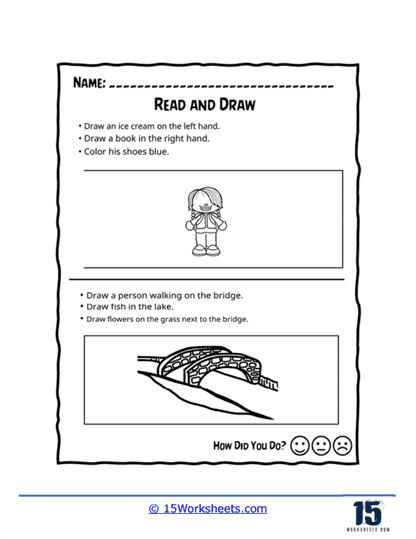
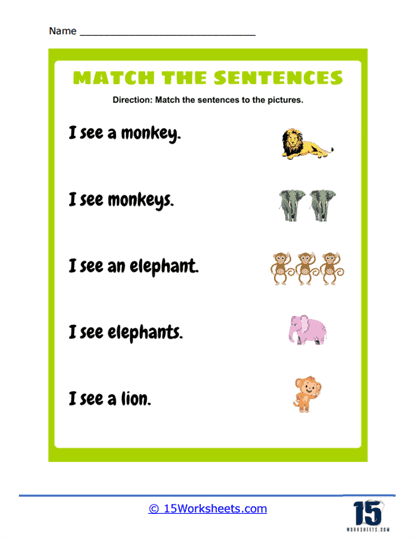
You will see an image and connect it to written language. They are very basic sentences that students can use to make the relationship. This can also improve observation skills.
This is a more basic form of the previous set of worksheets. It’s a simple but powerful activity that builds word recognition and reading readiness.
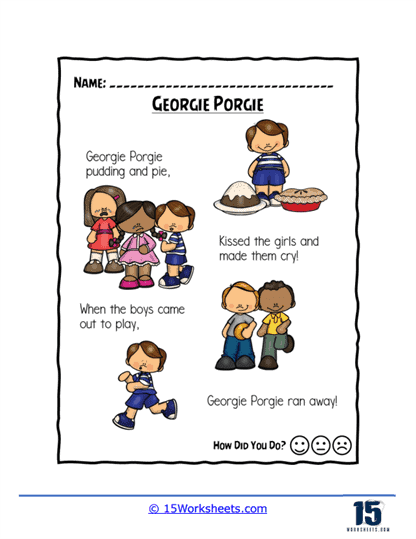
Nursery rhymes are short and rhythmic poems or songs for young children. They often have simple and repetitive lyrics that are easy to remember and sing along with. Which makes them perfect for beginning readers to explore. These worksheets will provide students with a rhyme and ask them to complete a task.
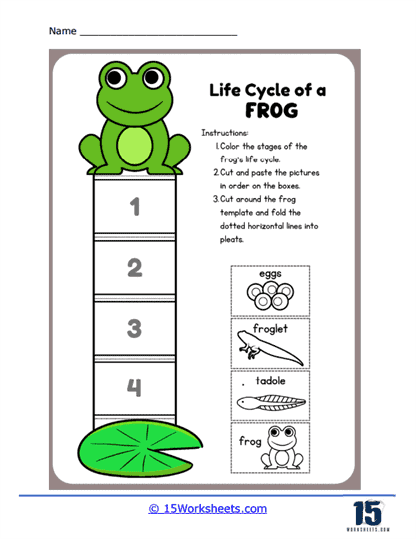
Paper folding activities help children improve hand-eye coordination and follow step-by-step directions carefully. These fun exercises also encourage patience, concentration, and problem-solving skills.
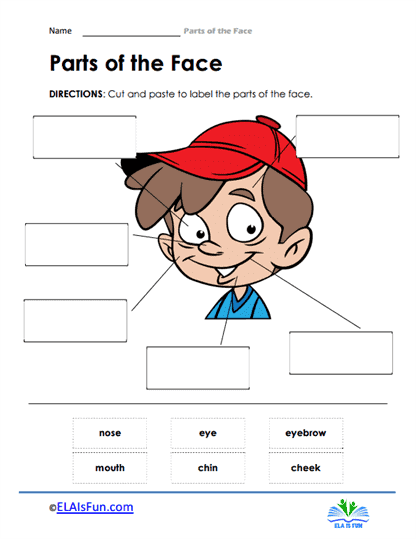
Students learn the vocabulary to describe parts of their face. We always find it funny that many youngsters always overlook the eyebrows.
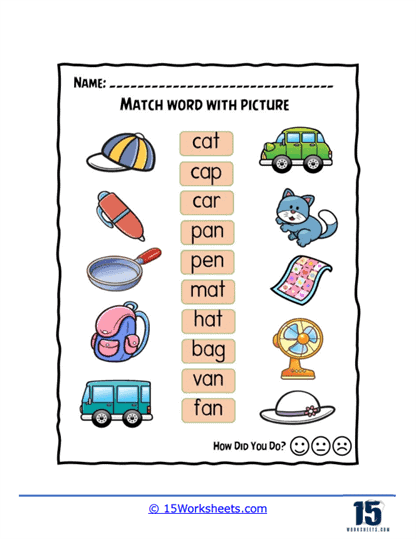
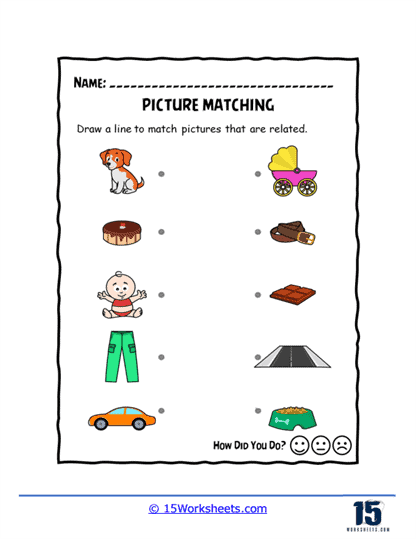
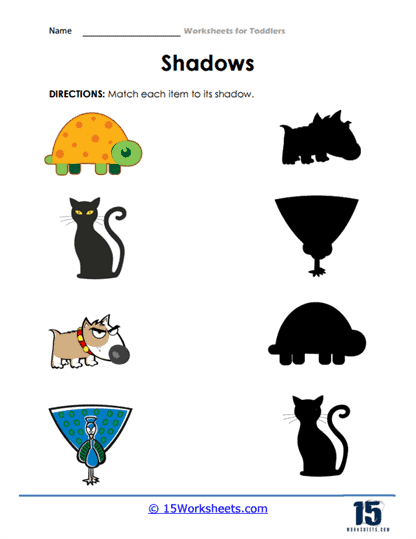
Picture matching is helpful for preschoolers because it enhances their visual discrimination skills by requiring them to identify similarities and differences in images. It promotes cognitive development, concentration, and memory as they match corresponding pictures. These worksheets will help students learn to match the same or similar items and objects.
We work with students on the basic required skills to help them head off with writing in their own words. The goal is to have the core skills to compose a simple sentence.
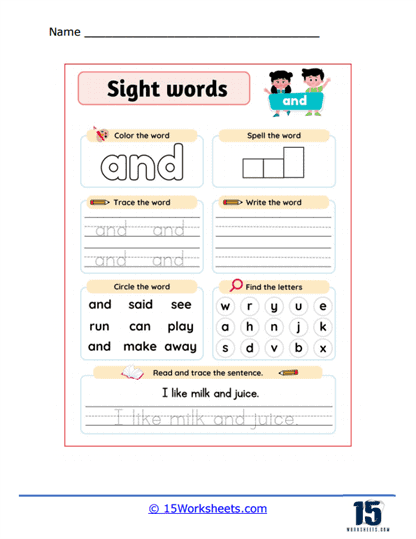
These are words that preschool students would have a big advantage if they entered the classroom knowing on sight. Learning sight words can help preschoolers develop fluency in reading, as they can quickly recognize and read the words without needing to sound them out letter by letter.
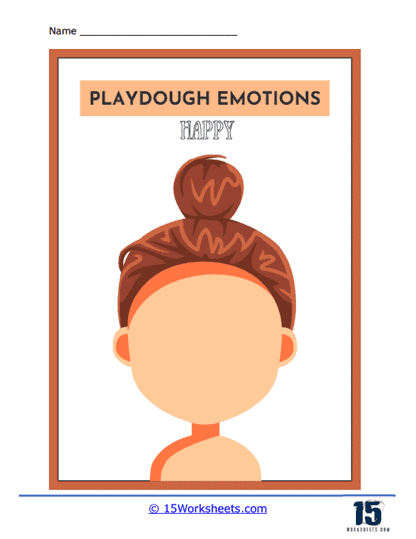
These mats are designed to enhance creativity and learning while engaging children in hands-on playdough activities.
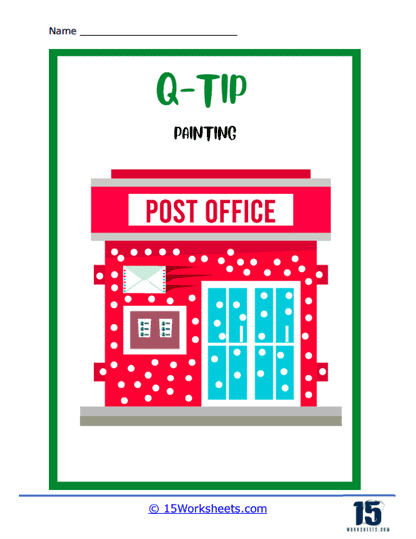
These printable will help kids engage in creative and fine motor skill-building activities using Q-tips (cotton swabs) and paint. These printables feature images or designs with small, numbered dots or circles on them.
Understanding the basic names of geometric shapes and their attributes is the name of the game here. They provide an important foundation for early math and visual learning skills.
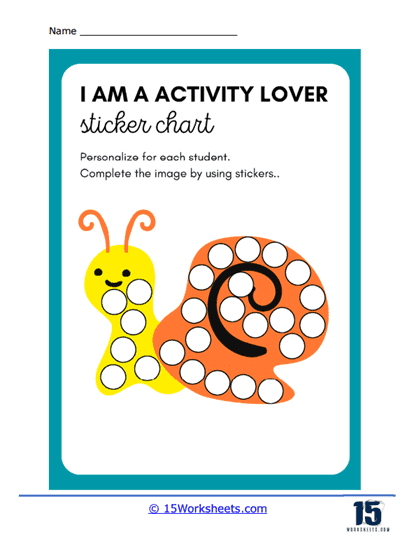
Sticker activities make learning exciting while helping children improve fine motor coordination and hand control. Preschoolers enjoy completing each page as they practice matching, sorting, and following directions.
These are simple supplemental sheets that students that are just approaching preschool age should take in.
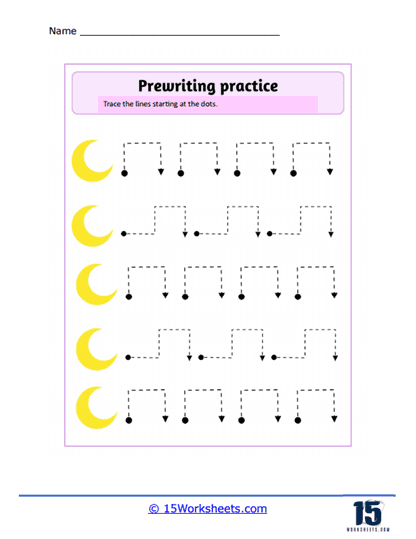
We begin working on skills to help students communicate through written language. We also help them begin to connect speech to it.