
Skills Worksheets
About All Of Our Skill Worksheets
This collection is all about building the everyday and lifelong skills students need to succeed. From managing emotions to strengthening study habits, these worksheets cover both the academic and personal sides of learning. They make big ideas like respect, empathy, and time management easier to understand and practice.
The variety of topics means students get a little bit of everything: critical thinking, social growth, and practical routines. Each worksheet turns important life skills into fun, manageable activities that students can connect with. They’re designed to encourage reflection, build confidence, and spark positive habits.
Teachers and parents will love how flexible these worksheets are. They work as quick lessons, conversation starters, or even quiet reflection time. No matter how they’re used, they give kids tools to grow into thoughtful, capable, and caring people.
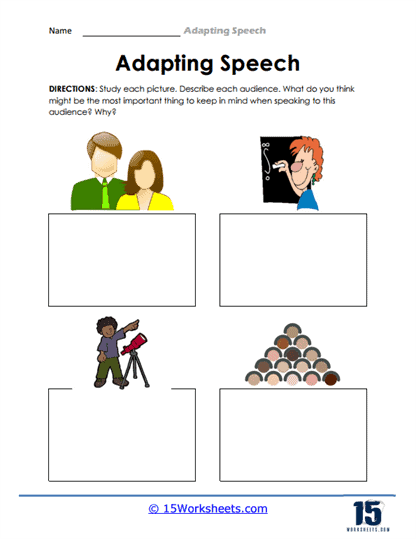
Students learn how to adjust their tone and word choice depending on the situation. These worksheets help kids practice speaking formally, casually, or persuasively. It builds flexibility and confidence in communication.
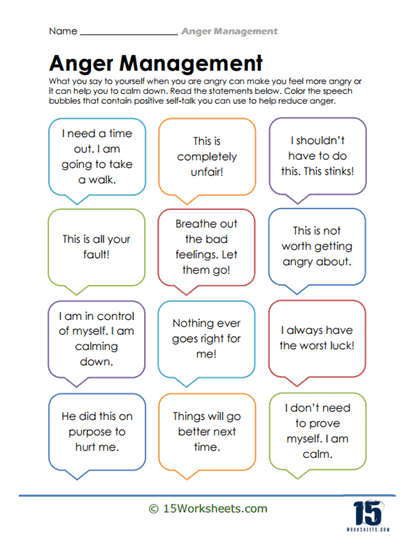
These activities teach kids how to recognize anger before it boils over. They introduce calming strategies like deep breathing or taking a break. Students build healthier ways to handle frustration.
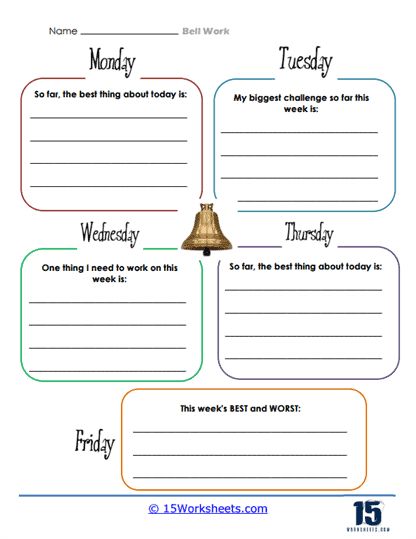
The purpose of bell work is to engage students in learning and prepare them for the day ahead. We help them mostly with organizing themselves for their day.
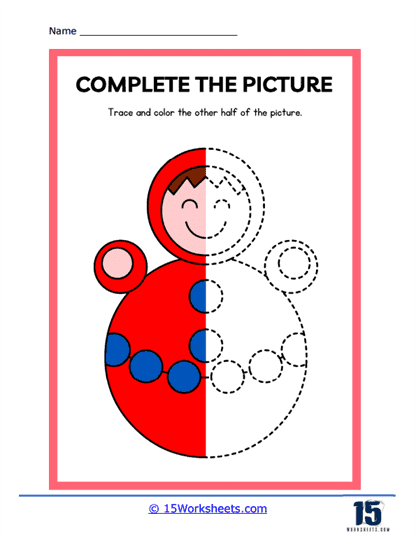
Students work on activities that use both sides of the body together. Cutting, tracing, or moving objects strengthens coordination. These tasks prepare kids for writing, sports, and daily life.
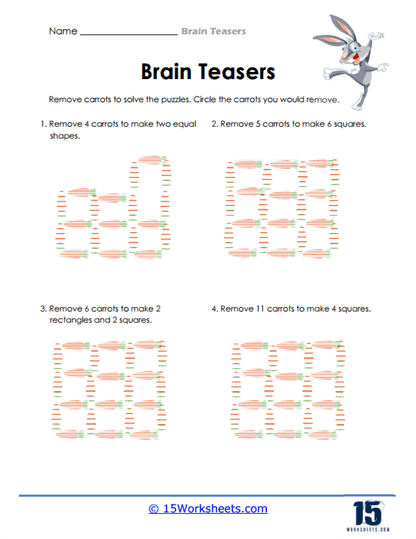
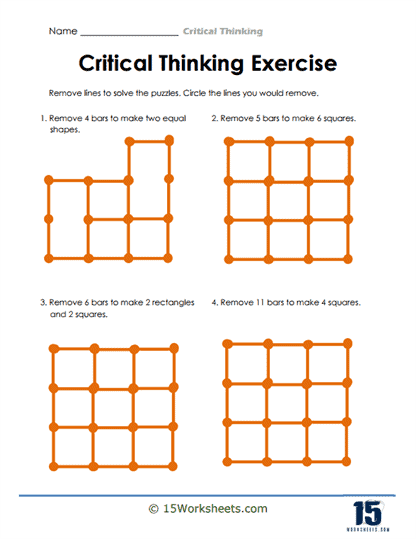
Challenging puzzles make kids think in creative and unusual ways. They encourage problem-solving and flexible thinking. The activities keep learning playful and fun.
Students learn to generate ideas quickly without worrying about being perfect. The worksheets guide them in organizing and expanding their thoughts. It encourages creativity and self-expression.
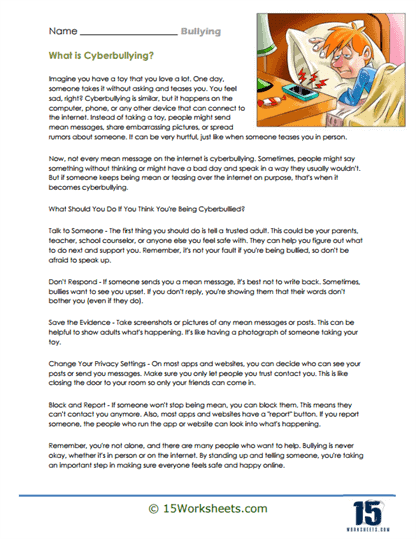
These worksheets explore what bullying looks like and how it affects people. Students practice empathy and learn strategies to respond safely. It helps create kinder and safer classrooms.
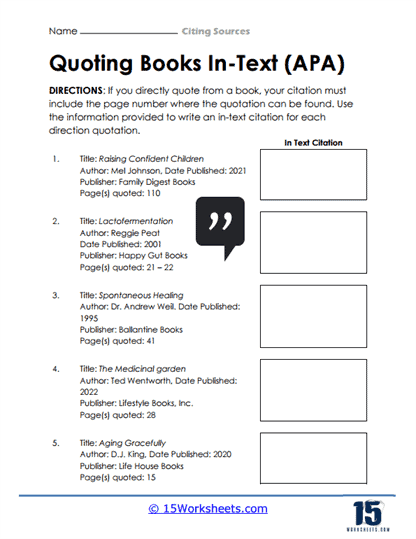
This is an important part of academic writing and research, as it gives credit to the authors whose work you have used and allows readers to locate the original sources you have referenced. We look at both the APA and MLA formats.
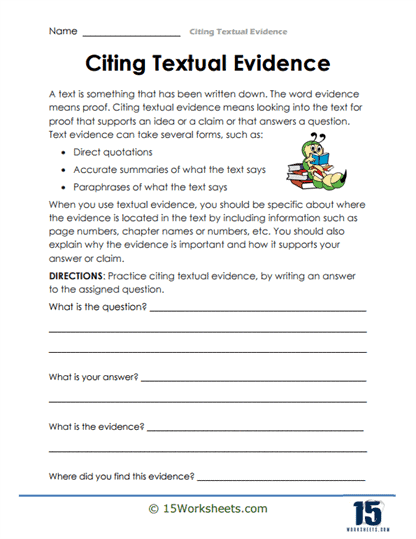
This is an essential process when performing both literary analysis and research. The goal is to always identify, at a minimum, the author, title, and publication information.
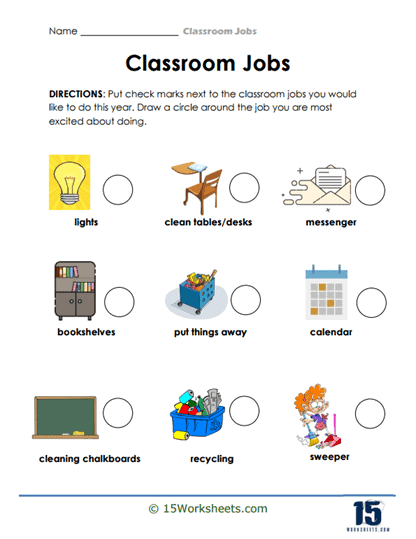
These worksheets introduce students to simple classroom responsibilities. Children learn teamwork by taking on roles like line leader or helper. It fosters independence and pride in the classroom.
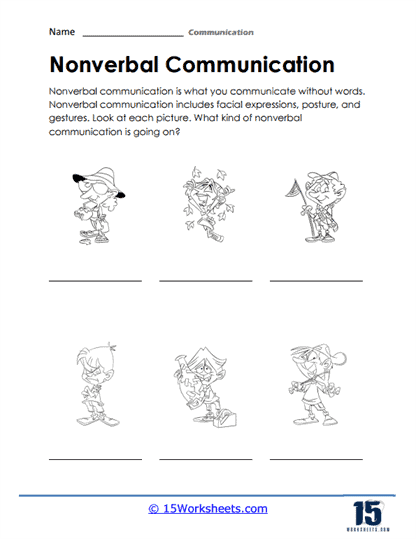
Improving your communication skills can have a positive impact on many aspects of your life, including personal relationships and academic success. We look at how to go about this for students.
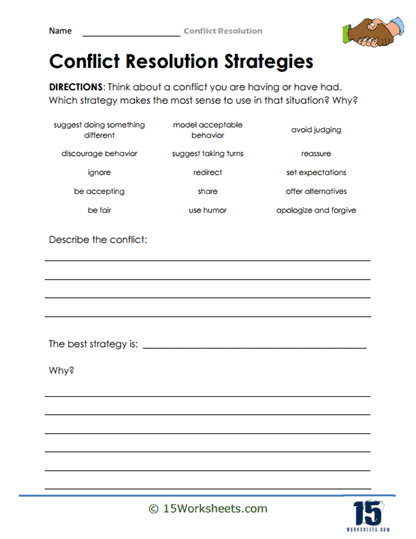
We look at various techniques and tools that students can use to resolve disputes, disagreements or misunderstandings between individuals or groups.
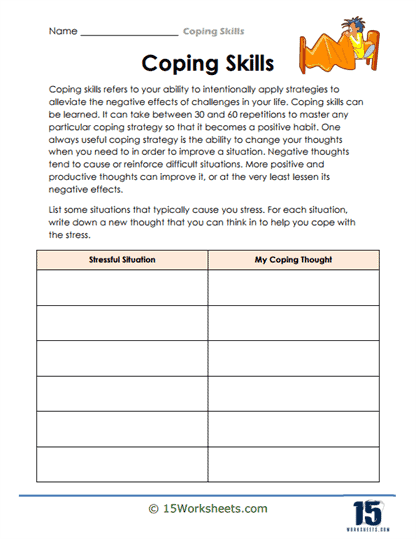
Students discover healthy ways to handle stress or sadness. Activities introduce strategies like journaling or positive self-talk. It builds emotional resilience and calm.
These worksheets challenge students to analyze, compare, and question information. They go beyond memorizing facts to deeper reasoning. It builds smarter, more thoughtful learners.
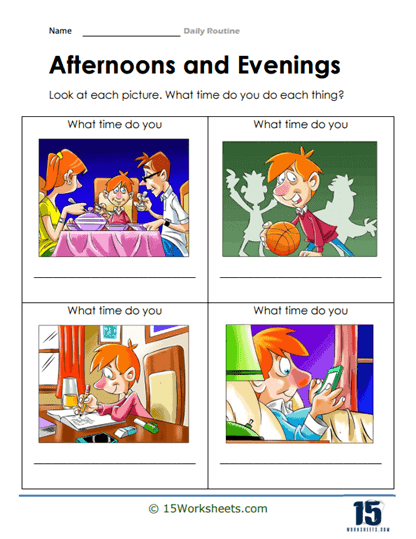
Daily routines are good to have because they provide structure and consistency to our lives, which can have many benefits for our physical and mental health, productivity, and overall well-being.
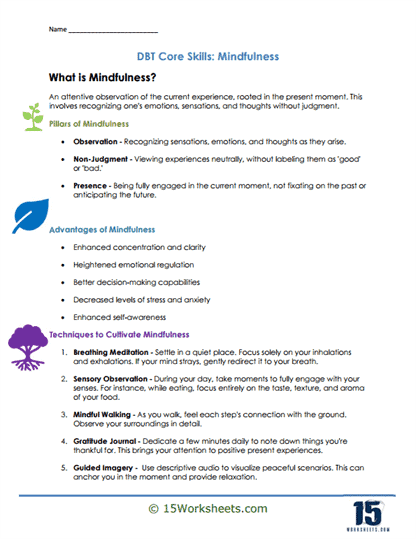
Based on Dialectical Behavior Therapy, these worksheets build mindfulness and balance. Students practice managing strong emotions calmly. It supports healthier coping and relationships.
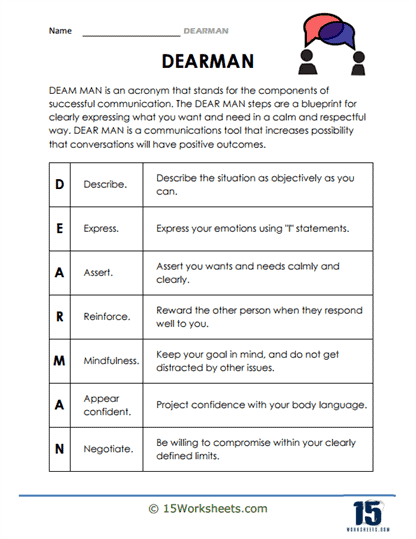
This is a communication strategy that can be used to express your needs or requests while maintaining positive relationships effectively and assertively. It is often used in dialectical behavior therapy (DBT).
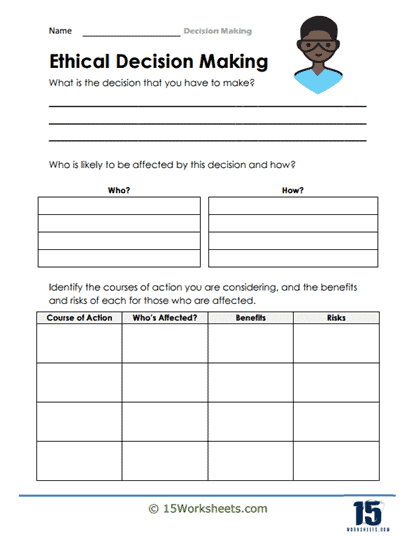
A major part of growing up and maturing is to learn to better decisions. We look at how to come to better outcomes quicker.
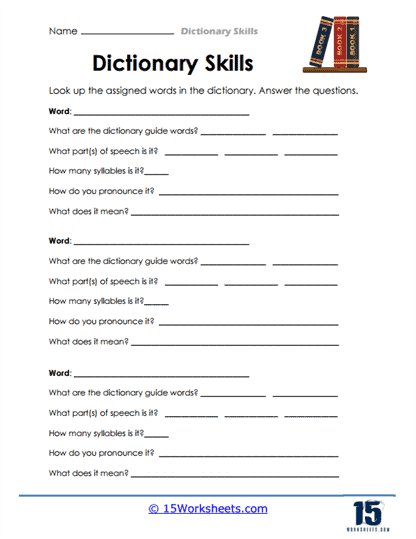
While many may look at these tools as remnants of the past, they are applicable to many areas of literature and will continue to. Developing strong dictionary skills can help you improve your vocabulary, expand your knowledge, and communicate more effectively.
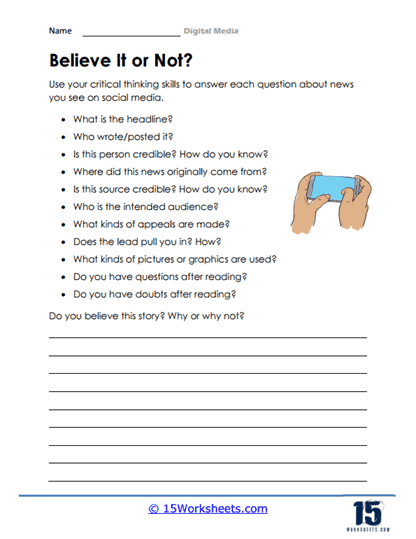
This topic has proliferated in the last several decades. Helping students learn how to digest information is important aspect of school.
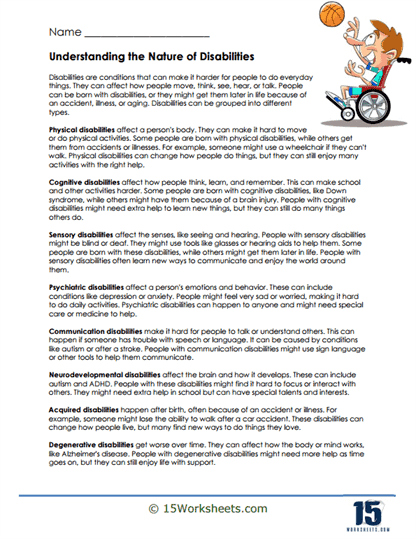
Worksheets help students understand and respect people with disabilities. They encourage empathy and inclusivity. This builds acceptance and awareness.
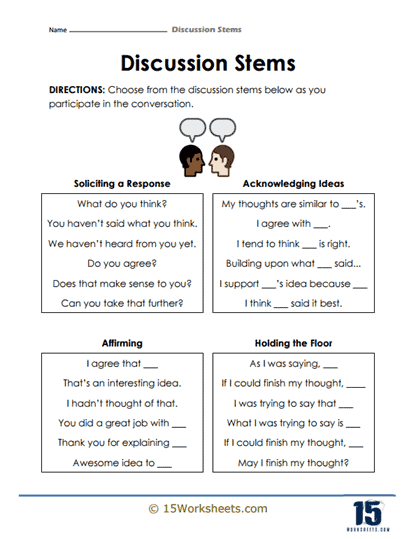
These are phrases or sentence starters that can be used to initiate or guide a conversation or discussion. These can help spark creativity and improve student language skills.
Learning to look at how things look and feel to all different types of people is a significant step towards making our world more inclusive. Exposure to diverse perspectives can help us gain a better understanding of different cultures, beliefs, and values.
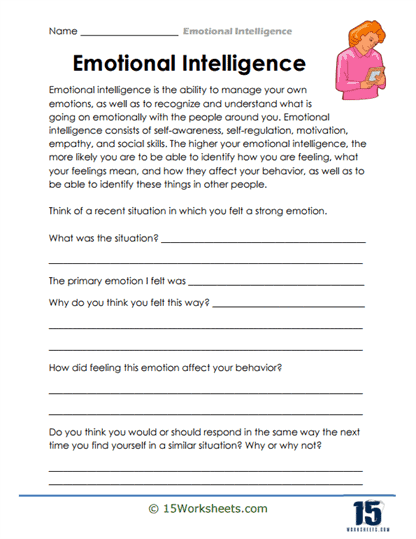
Students practice recognizing and managing feelings in themselves and others. Worksheets build empathy and social awareness. These skills improve relationships and decision-making.
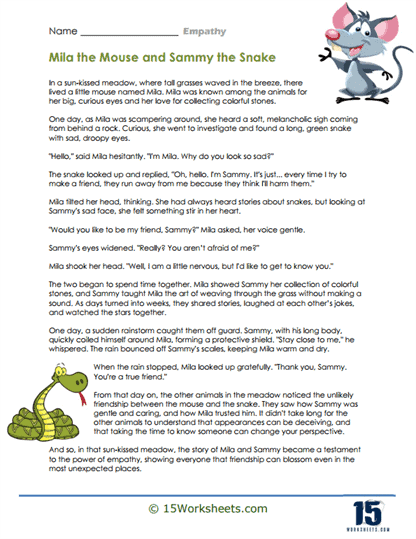
These worksheets encourage kids to imagine how others feel. They practice putting themselves in someone else’s shoes. This builds kindness and compassion.
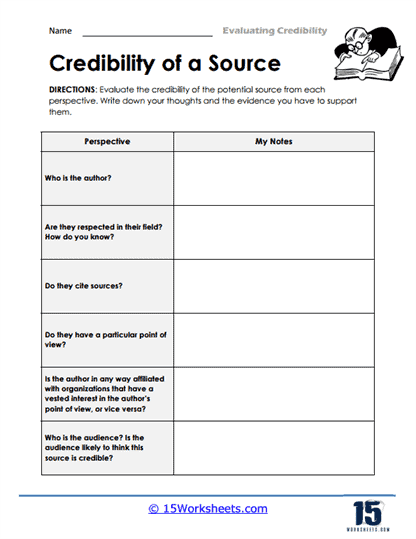
Students learn to judge if information is trustworthy or not. They practice spotting reliable vs unreliable sources. It strengthens critical thinking and decision-making.
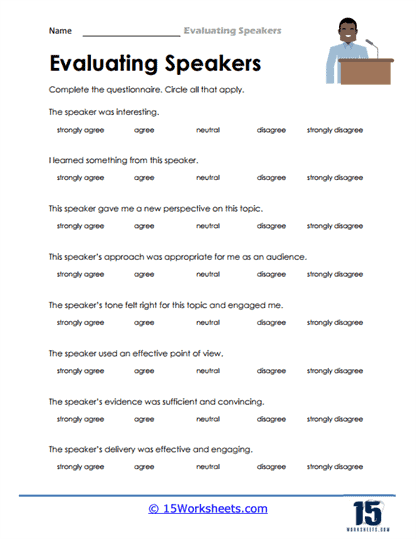
Kids listen to or read a message and analyze its quality. They assess tone, evidence, and clarity. This builds stronger comprehension and judgment.
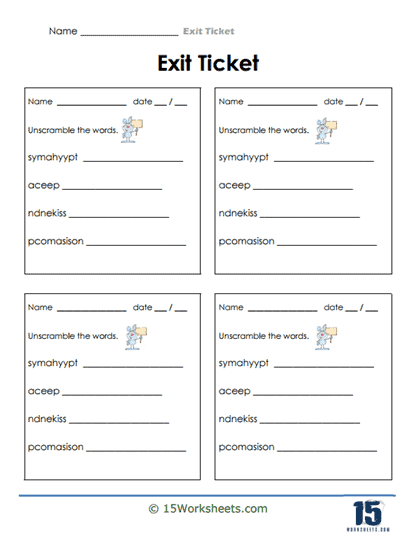
At the end of lessons, students complete short reflections. Teachers use them to check understanding quickly. It closes class with meaningful review.
They play a crucial role in our emotional and psychological well-being of our students. We discuss this with students in these sheets.
Kids reflect on their goals and personal motivation. Worksheets guide them to think about what drives them. It builds purpose and self-awareness.
These involve the use and control of small muscles in the hands, fingers, and wrists to perform precise movements. These skills are important for many everyday activities, such as tracing, drawing, cutting, and manipulating small objects.
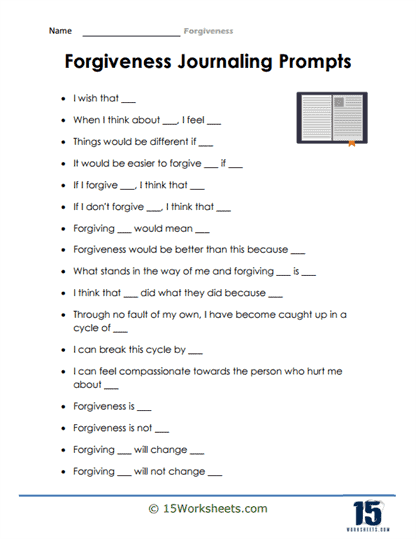
This is the act of letting go of resentment or anger towards someone who has wronged us. Students will explore tools that can help them speed up a process that can take a significant amount of time and effort.
Students explore what makes a good friend. They practice kindness, empathy, and conflict skills. It helps build stronger social connections.
Kids learn to set realistic goals and plan steps. They track progress and reflect on success. This builds motivation and responsibility.
Students list or reflect on what they’re thankful for. They practice focusing on positive aspects of life. This builds optimism and well-being.
This something we should delve into with students during good times and bad. Overcoming grief can be a challenging and sensitive process.
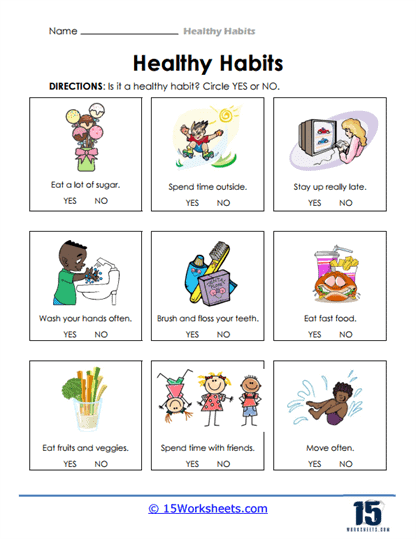
Students learn about hygiene, exercise, and nutrition. They explore daily routines that promote health. These habits last a lifetime.
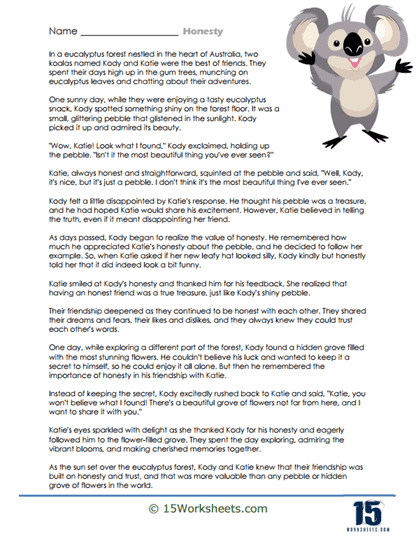
Students reflect on the value of truthfulness. Activities show how honesty builds trust. It strengthens character and relationships.
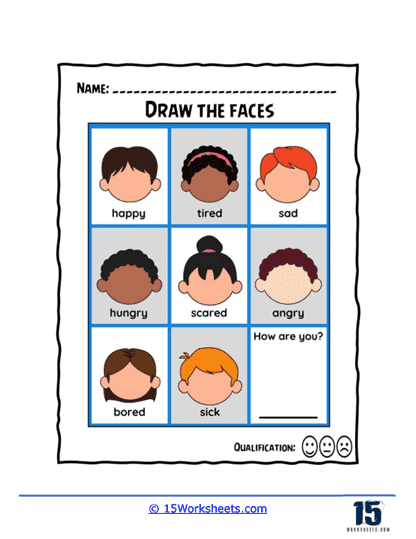
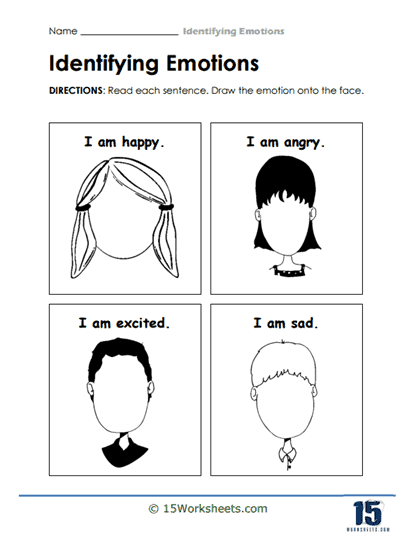
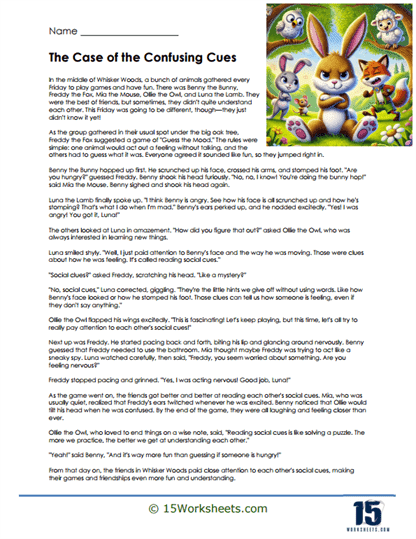
Kids match feelings to faces, words, or scenarios. They practice recognizing emotions in others. This builds empathy and awareness.
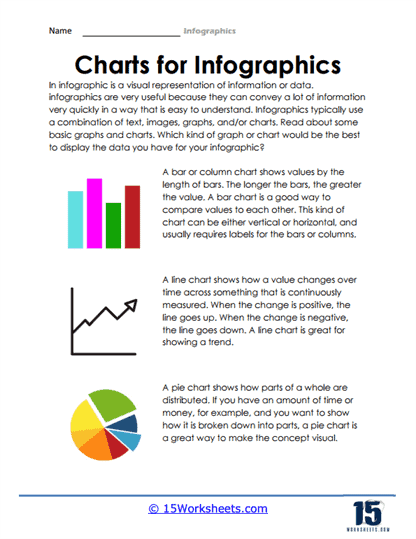
Students learn how to use and create these powerful communication tools. They are visually appealing and can convey complex information in a clear, concise, and engaging way.
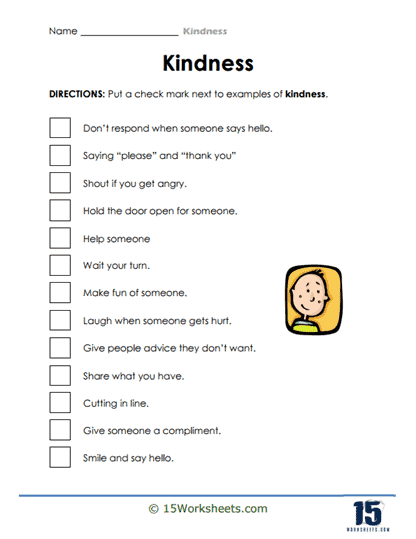
Activities focus on small acts of kindness. Students reflect on how kindness impacts others. This fosters a caring classroom culture.
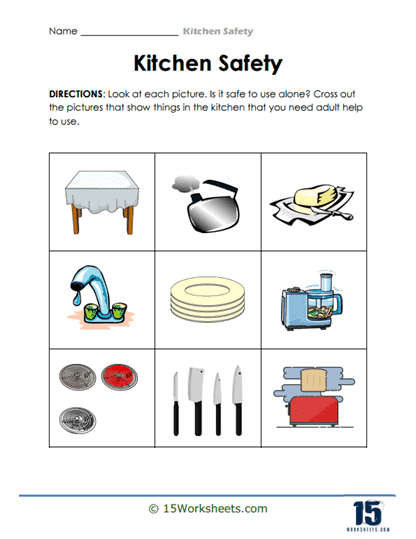
Kids learn rules for safe cooking and handling tools. Worksheets cover common hazards and prevention tips. It builds confidence and responsibility.
These the things that are necessary for us to navigate the challenges and complexities of daily life. There are almost way too many to even count.
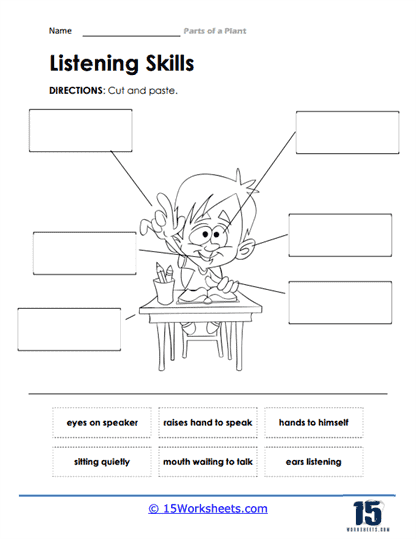
Improving your listening skills can enhance your personal and professional relationships, as well as your overall communication abilities.
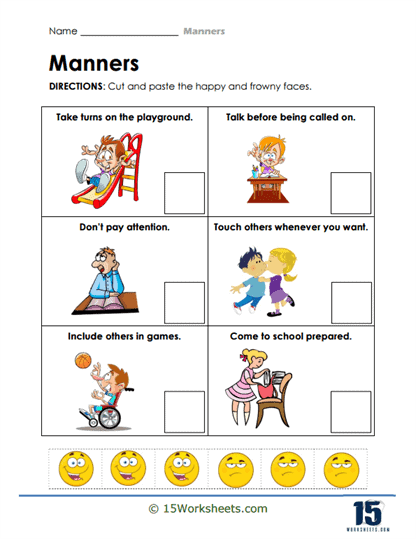
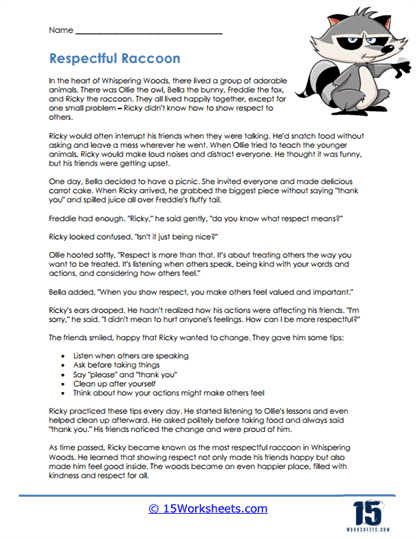
Students learn polite behaviors like saying please and thank you. They practice respect in different situations. This supports positive social habits.
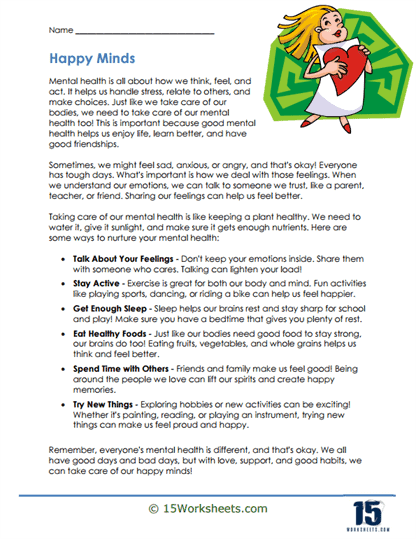
These worksheets help kids reflect on stress and emotions. They teach simple coping strategies. It builds resilience and balance.
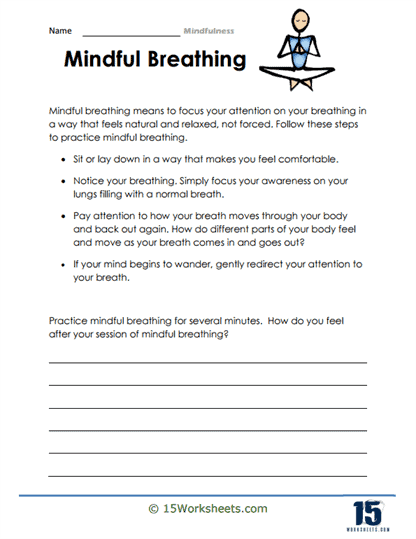
This is a mental state of awareness, focus, and openness to the present moment. It involves paying attention to your thoughts, emotions, and body’s sensations without judgment or distraction.
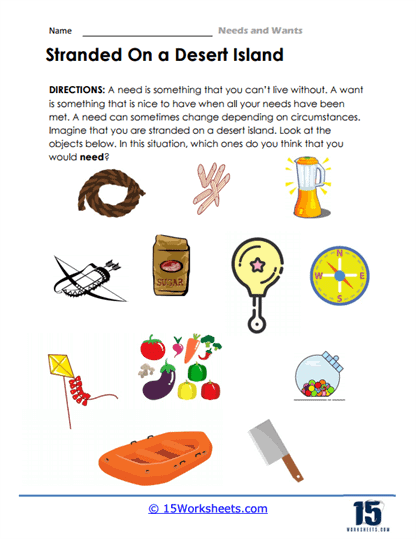
Students will learn to classify things as a desire or a requirement. We help students learn that their phones are not a need. Although they often do not see it that way.
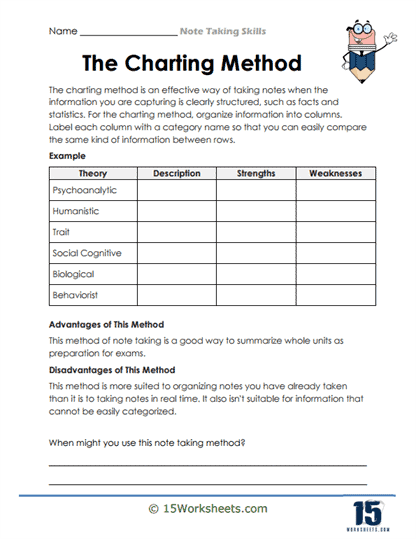
It is not what you write down that matters the most. Learning to write in a way that improves your retention is what matters most. This can be an effective learning strategy that can improve academic performance and help individuals better understand information.
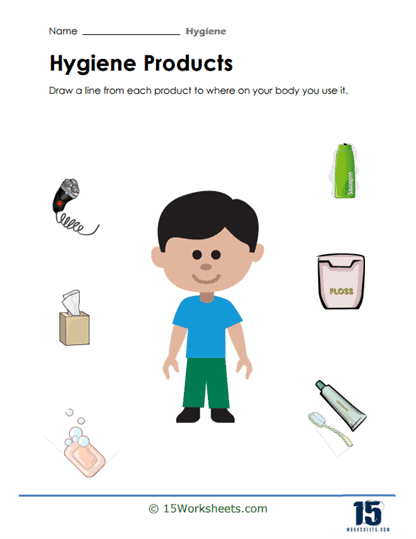
We help make children aware of the practices and habits that individuals engage in to maintain cleanliness and prevent the spread of germs and illness.
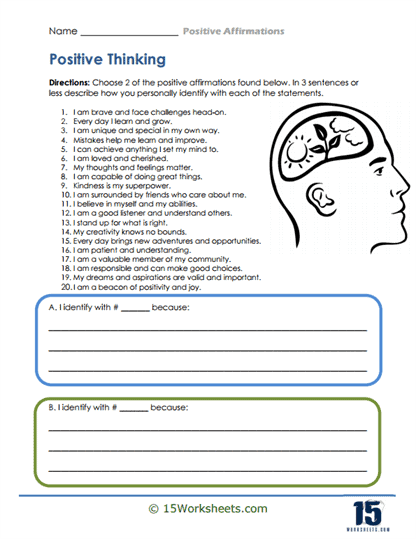
Students write and repeat encouraging statements about themselves. They learn to build self-confidence through words. This fosters a growth mindset.
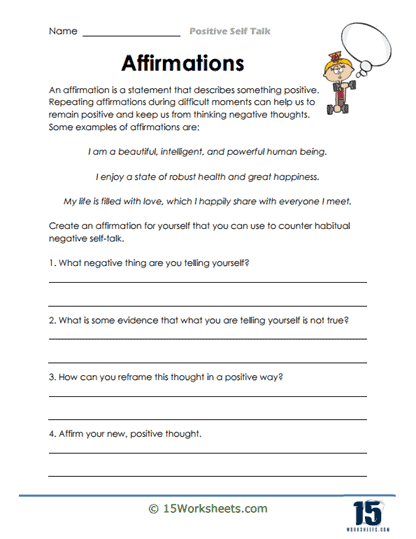
These worksheets teach kids to replace negative thoughts. Students practice encouraging themselves with kind words. It supports mental health and resilience.
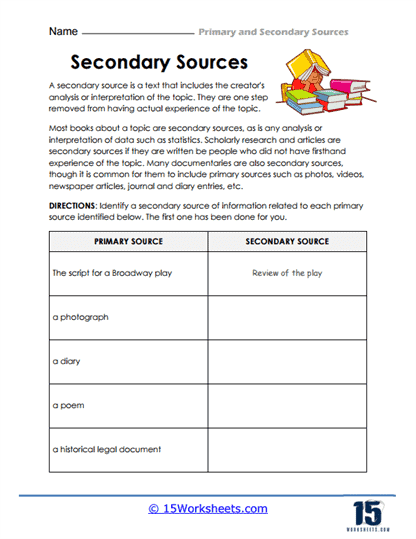
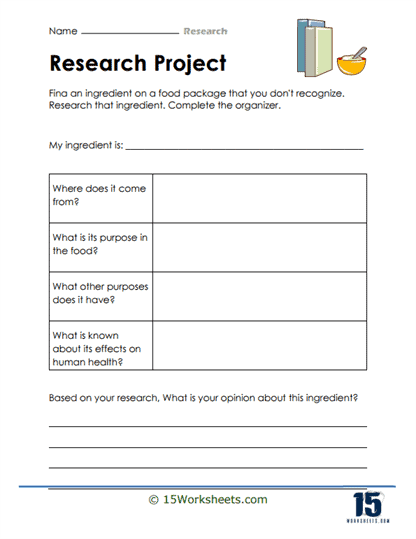
Students learn how to identify the type of information that they are using in their research and the value of each different source.
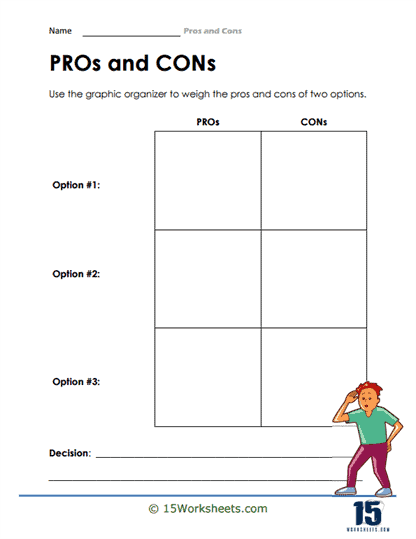
We help students explore the use of this helpful tool for making decisions by comparing the advantages and disadvantages of a specific action or choice. This can empower students to make better thought-out decisions.
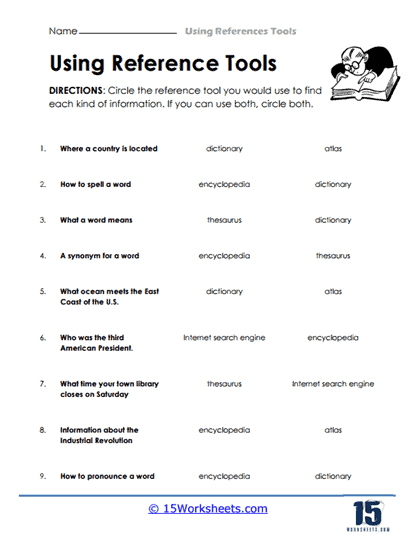
We explore the different resources or aids that can help students find information, conduct research, organize their work, and properly cite sources. These tools are designed to enhance the learning process and improve the quality of academic work.
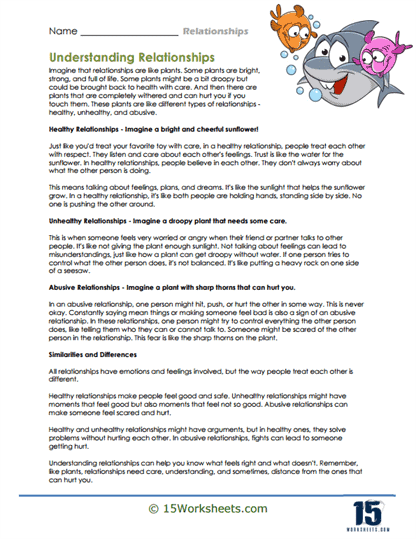
Students reflect on how to build healthy connections. Worksheets cover trust, communication, and respect. It supports friendships and family bonds.
These sheets can be very helpful for students when forming their research question, organizing their search, and summarizing their findings.
Students explore what respect looks like in different situations. They practice respect for self, others, and rules. It builds community and character.
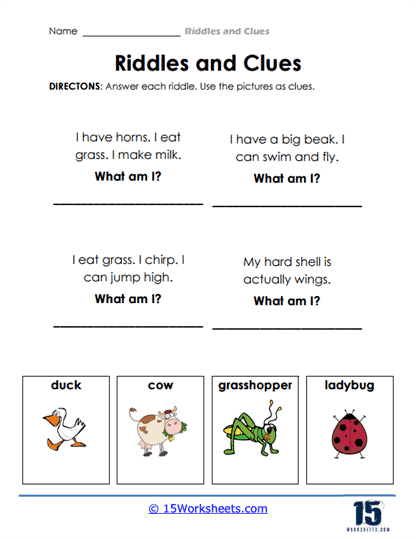
We describe something and students use their critical thinking skills to determine what we are talking about.
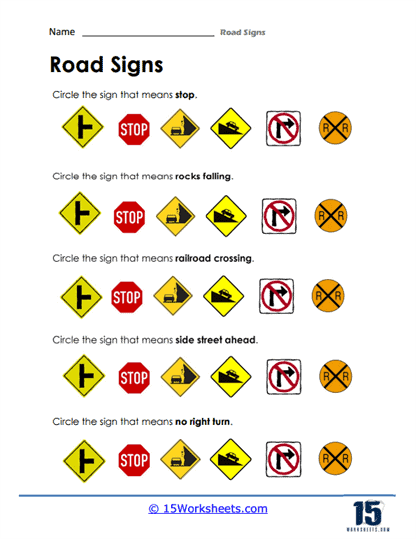
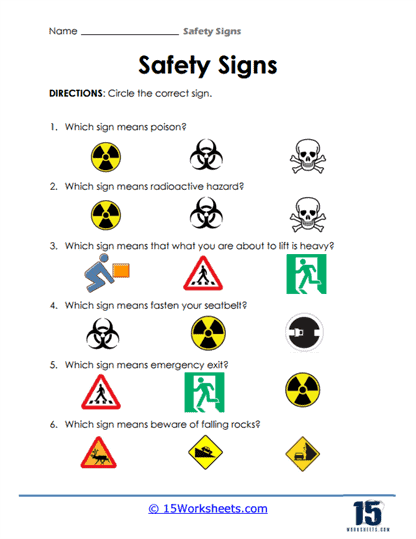
These are an essential part of traffic control and are used to provide information, guidance, and warnings to drivers and pedestrians. Students will learn what these signs are indicating to them.
Kids practice identifying household or community safety signs. They learn how to respond to warnings. This builds safety awareness.
are a fun and engaging way to promote learning and reinforce concepts across various subjects. They encourage critical thinking, promote teamwork, and drastically improve motivation.
Kids reflect on their strengths, weaknesses, and values. They learn more about themselves. This builds confidence and growth.
Students celebrate achievements and personal qualities. Worksheets highlight uniqueness and strengths. It fosters resilience and positivity.
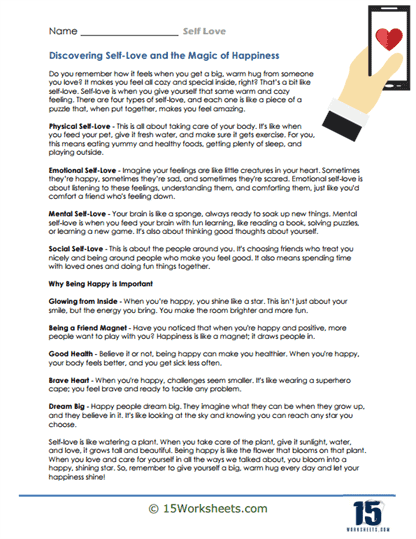
Kids learn to practice kindness toward themselves. Activities include affirmations and self-care. This builds emotional well-being.
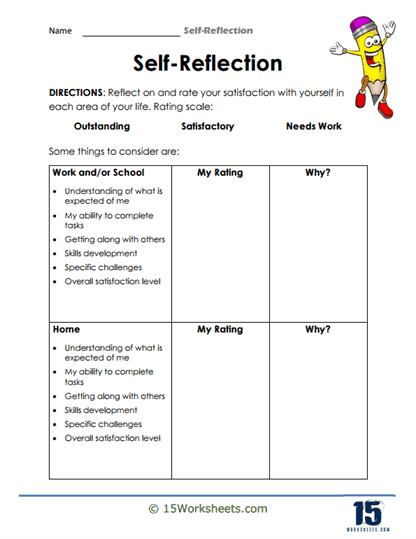
This is an important process that involves examining one’s own thoughts, actions, and behaviors in order to gain a deeper understanding of oneself and improve personal growth.
Kids practice cooperation, sharing, and resolving conflicts. Activities encourage teamwork and empathy. These skills prepare them for friendships.
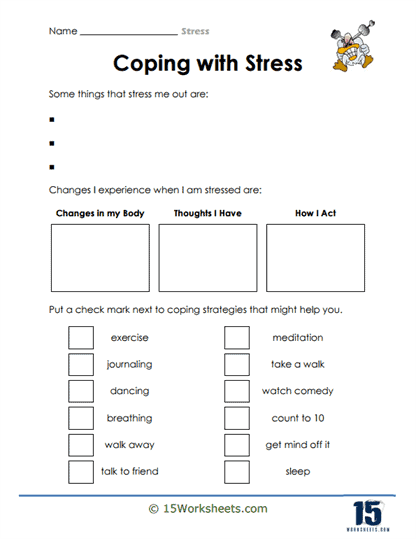
Students identify stress triggers and coping strategies. Worksheets teach calming techniques. This supports emotional balance.
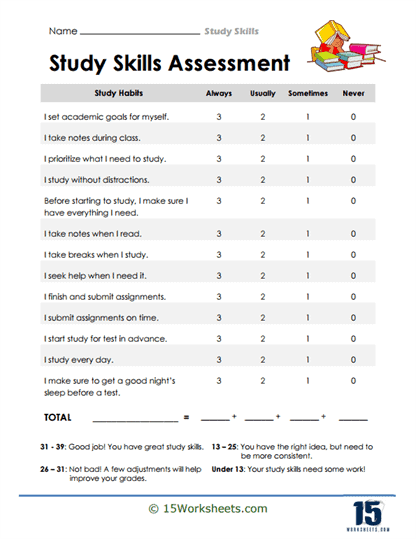
Schools should include study skills instruction as part of their curriculum because they help students develop effective learning strategies that can improve academic performance and overall success. The way the system works in most places, it is like giving kids a car, but never teaching them how to drive.
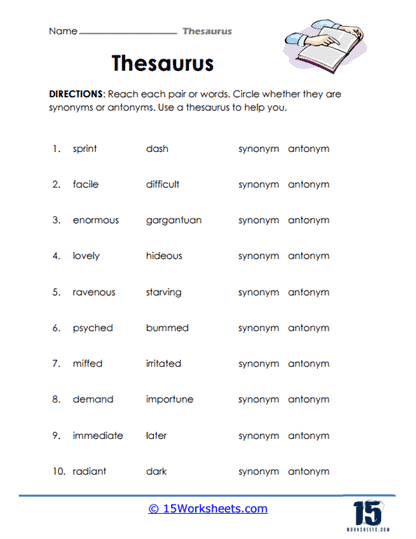
We use a thesaurus when they want to find synonyms, antonyms, and related words for a specific word. They are great tools for improving your writing.
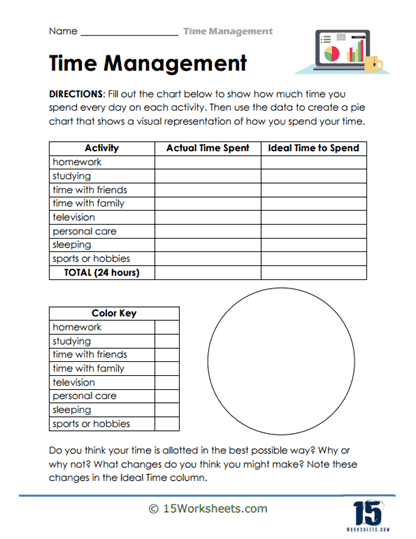
Kids learn to plan their tasks and use time wisely. Worksheets guide prioritizing and scheduling. It helps them stay organized.
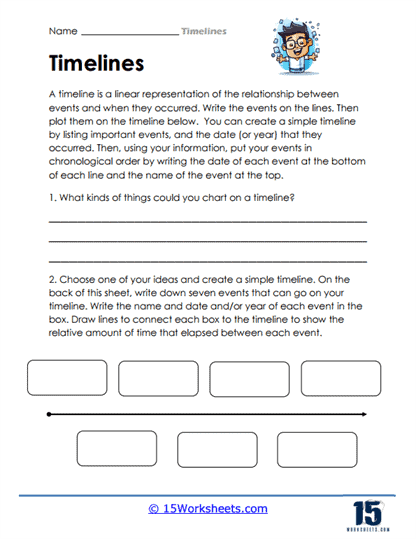
Students organize events in order. They learn sequencing in history or storytelling. This builds comprehension of time.
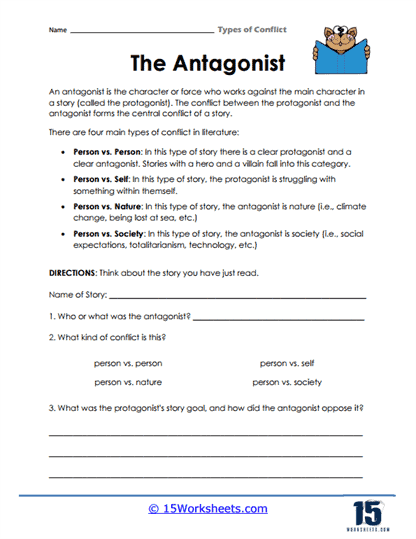
Understanding the different types of conflict can help individuals better identify and navigate conflicts that arise in their own lives, as well as in the stories they read or watch.
It is important to use references in academic and professional writing to support one’s claims and ideas, and to give credit to the original sources of information.
Kids practice remembering patterns, shapes, and images. These activities strengthen focus and recall. It supports learning in reading and math.
Students work on noticing details in shapes, spacing, and designs. This builds processing skills for reading and writing. It also helps with spatial awareness.