
Mental Health Worksheets


About These 15 Worksheets
The collection of worksheets is designed to help students of various age groups understand and manage their emotions, develop positive thinking habits, and build resilience. These worksheets are ideal for teachers and homeschoolers who want to incorporate mental health awareness into their curriculum. The worksheets are available in PDF format, making them easy to view, download, and print, providing a convenient resource for both classroom and at-home learning.
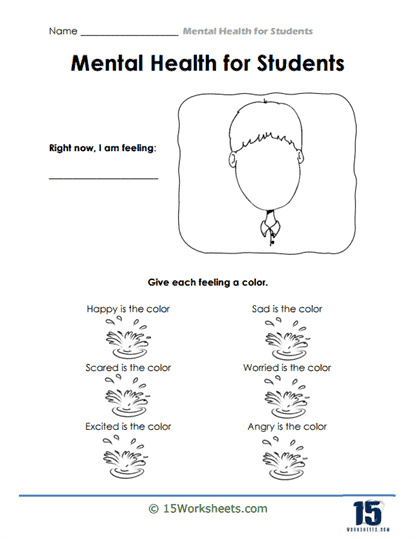
One of the key aspects of these worksheets is their focus on helping students identify and understand their feelings. For example, students are encouraged to reflect on their emotions by giving each feeling a color, helping them to visually express and categorize their emotional state. This approach not only helps students become more aware of their emotions but also teaches them that it is normal to experience a wide range of feelings. By understanding their emotions, students can better communicate their needs and feelings to others, fostering a supportive and understanding environment.
Another important element of this collection is the focus on positive self-talk and reframing negative thoughts. Worksheets that guide students to replace negative words with positive ones help them build stronger self-esteem while learning valuable thinking skills. These activities encourage students to challenge unhelpful thoughts and shift toward more balanced, hopeful perspectives, supporting both resilience and emotional growth.
About Each Worksheet
Calm Choices
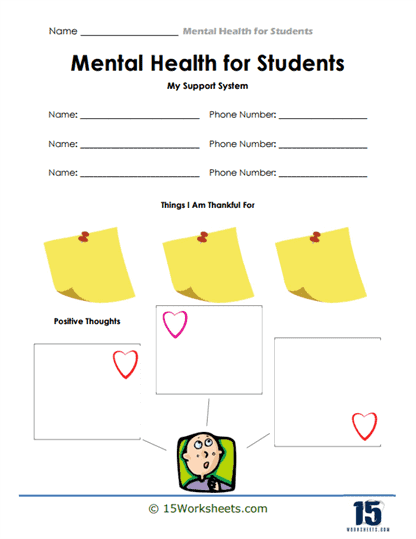
This worksheet helps students think about the people they can turn to when they need support. It also encourages them to focus on gratitude and positive thoughts that can help them stay grounded during difficult moments. It’s a simple but powerful reminder that support and positivity are always worth noticing.
Socially Savvy
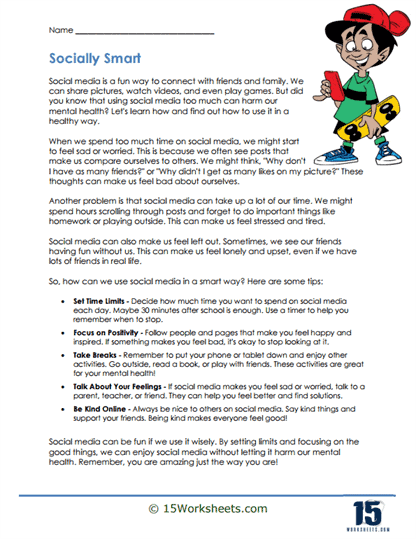
Students explore both the benefits and challenges of social media in this thoughtful activity. The worksheet encourages healthy online habits while helping students reflect on how social media affects their emotions and self-esteem. It’s a valuable lesson in creating balance in a digital world.
Color Mood
Feelings come to life through color in this creative worksheet. Students connect emotions to colors, giving them a unique way to express and better understand what they’re experiencing. It’s an engaging activity that encourages emotional awareness through creativity.
Gratitude Network
This worksheet helps students identify trusted people in their lives while also reflecting on the things they appreciate most. By combining gratitude and support systems, it encourages a positive outlook and a stronger sense of connection. It’s a great tool for building emotional resilience.
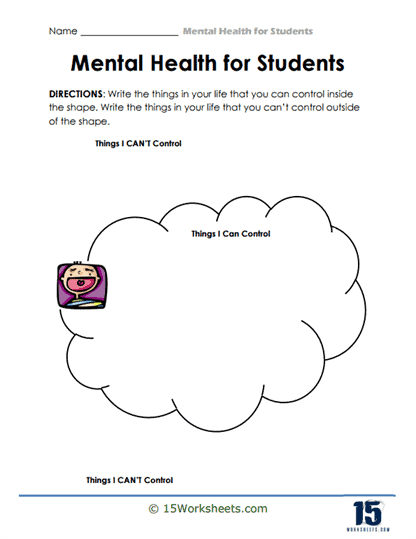
Control Cloud
Students learn an important life lesson by sorting out what they can control and what they cannot. The visual format helps them focus their energy on actions they can take rather than worries they cannot change. It’s a helpful activity for reducing stress and building confidence.
Thought Swap
Words matter, and this worksheet helps students see how changing their language can change their mindset. By replacing negative words with more balanced alternatives, students practice healthier self-talk. It’s a practical exercise that promotes optimism and emotional growth.
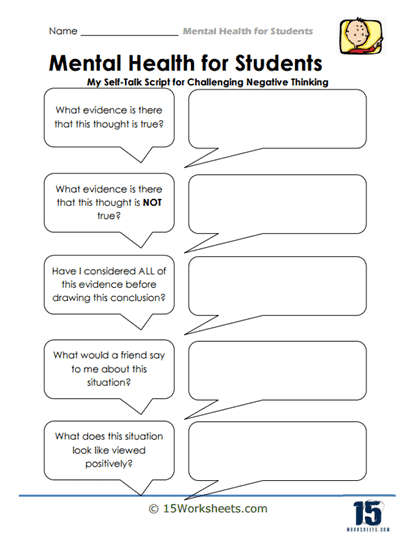
Thought Buster
This worksheet challenges students to question negative thoughts instead of automatically believing them. By looking for evidence and considering different perspectives, they learn to think more objectively. It’s a useful strategy for developing balanced and realistic thinking habits.
Mind Shift
Students practice reframing difficult situations by looking for lessons, opportunities, or positive perspectives. The activity encourages them to move beyond automatic negative reactions and build a more resilient mindset. It’s a powerful exercise in perspective-taking.
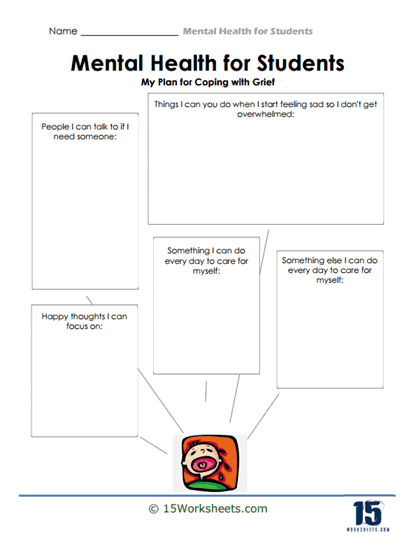
Comfort Map
This worksheet helps students create a personalized plan for coping with grief and difficult emotions. By identifying supportive people, comforting thoughts, and self-care activities, students build a toolkit they can use when they need it most. It promotes healthy coping and emotional support.
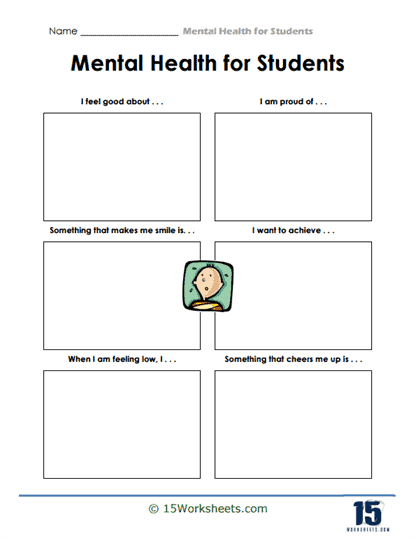
Uplift Moments
Students take time to reflect on the people, experiences, goals, and achievements that bring them happiness. The activity helps them create a collection of positive reminders they can revisit during challenging times. It’s an encouraging exercise in self-awareness and positivity.
Gratitude Boost
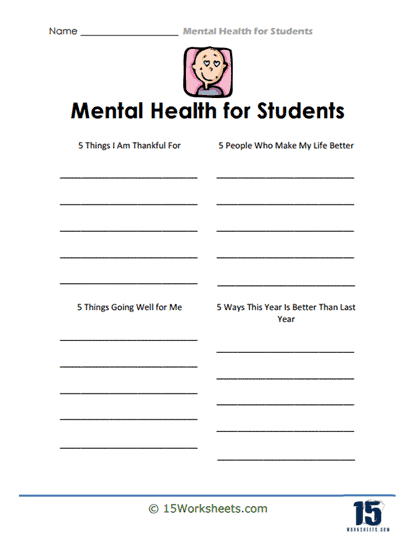
This worksheet encourages students to focus on what is going well in their lives. By reflecting on people, experiences, and personal growth, they develop a stronger appreciation for the positive things around them. It helps nurture a grateful and optimistic outlook.
Life Shifts
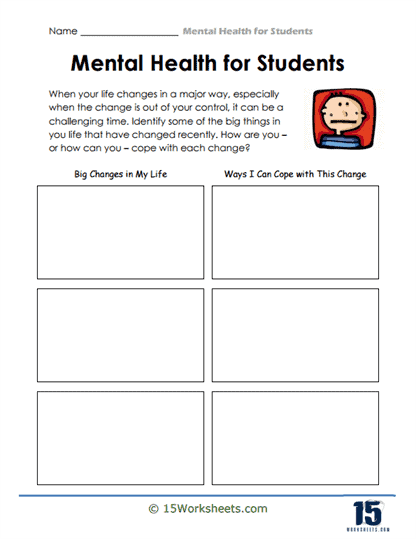
Big changes can be challenging, and this worksheet helps students process those experiences in a healthy way. They identify major life changes and explore strategies for adjusting to them successfully. The activity promotes adaptability and emotional resilience.
Stress Busters
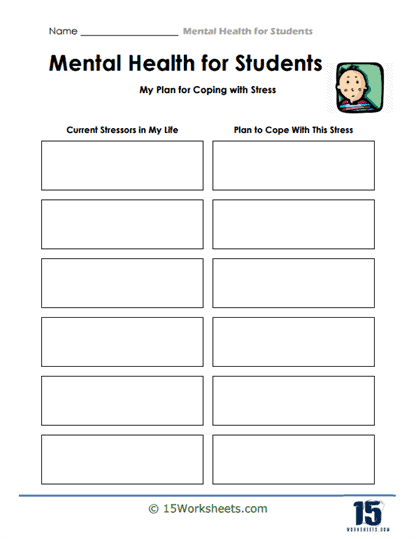
Students identify sources of stress and develop practical coping strategies to manage them. Breaking challenges into manageable pieces helps make stress feel less overwhelming. It’s an excellent tool for building problem-solving and stress-management skills.
Heart Healer
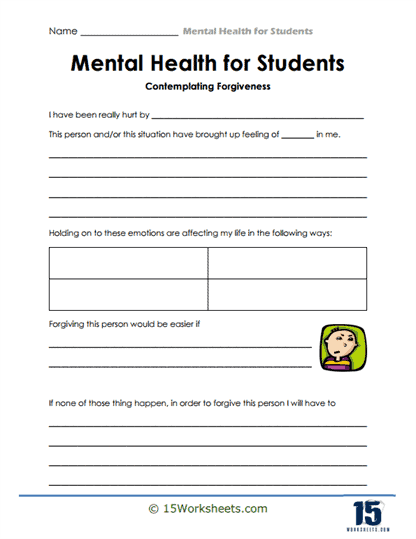
This thoughtful worksheet guides students through the process of forgiveness and emotional healing. They reflect on difficult experiences while exploring what it means to let go and move forward. The activity encourages self-compassion and personal growth.
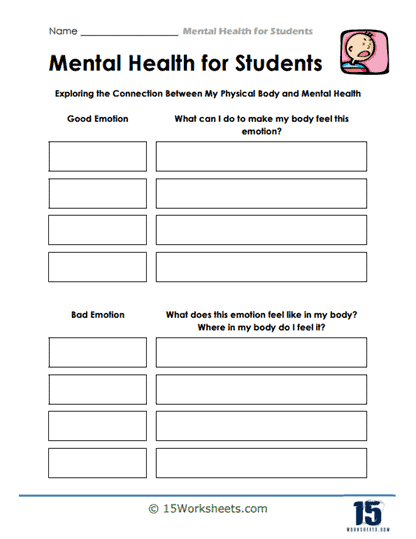
Body Signals
Students learn how emotions can show up physically in the body. By identifying physical signs of both positive and negative emotions, they become more aware of their emotional experiences. This awareness helps them recognize and manage feelings more effectively.
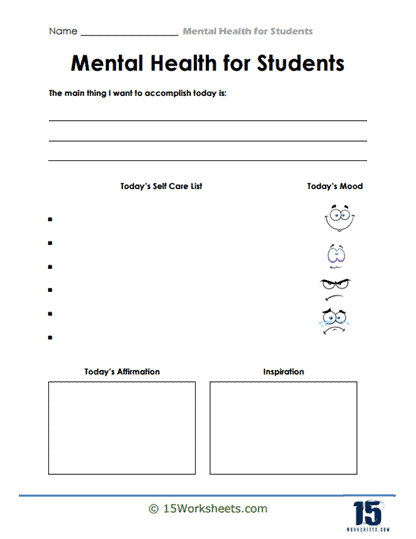
Daily Focus
This worksheet combines goal setting, self-care, reflection, and positivity into one daily routine. Students identify their priorities while also checking in with their emotions and well-being. It’s a simple way to encourage balance and mindfulness each day.
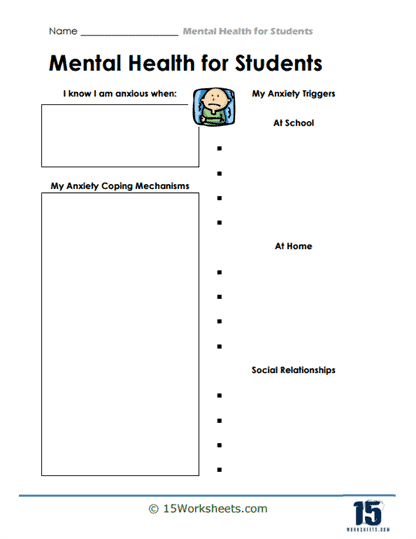
Calm Corners
Students explore the situations that trigger anxiety and develop personalized coping strategies for those moments. The activity helps them recognize warning signs and create a plan for responding calmly and effectively. It’s a practical resource for managing stress and anxiety.
What is Mental Health?
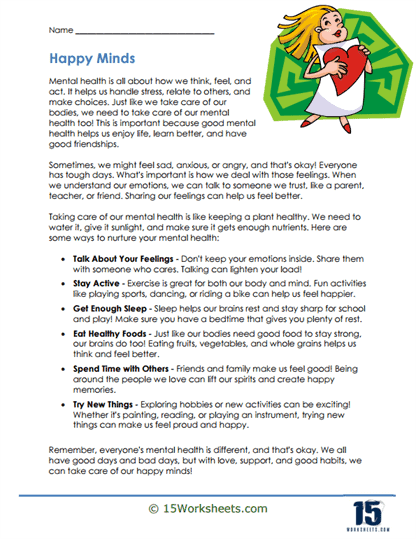
Mental health refers to our emotional, psychological, and social well-being. It affects how we think, feel, handle challenges, make decisions, and interact with others. Just like physical health, mental health can change over time and may be influenced by experiences, relationships, stress, and life events. Taking care of mental health is an important part of maintaining overall wellness.
Good mental health doesn’t mean feeling happy all the time. Everyone experiences a variety of emotions, including excitement, sadness, frustration, worry, and joy. What matters is learning healthy ways to understand, express, and manage those feelings. Developing coping skills, building strong relationships, practicing self-care, and seeking support when needed all contribute to positive mental health.
Learning about mental health helps students become more self-aware and emotionally resilient. It teaches them how to recognize their emotions, respond to challenges, and support their own well-being. These skills can improve relationships, academic performance, and overall quality of life. Most importantly, understanding mental health helps students realize that taking care of their minds is just as important as taking care of their bodies.