
Phonics Worksheets

About Our Phonics Worksheets
Building strong reading skills starts with helping children understand how letters and sounds work together, and these phonics worksheets are designed to make that process clear, engaging, and approachable. From beginning sounds and simple CVC words to blends, vowel teams, syllables, and reading fluency, each collection gives learners the focused practice they need to become more confident readers.
Children grow as readers when they are given opportunities to practice skills step by step in meaningful ways. This collection was created to support that growth by offering a wide variety of phonics activities that strengthen decoding, spelling, pronunciation, comprehension, and overall literacy development while keeping learning fun and encouraging along the way.
A Look At the Phonics Worksheet Categories
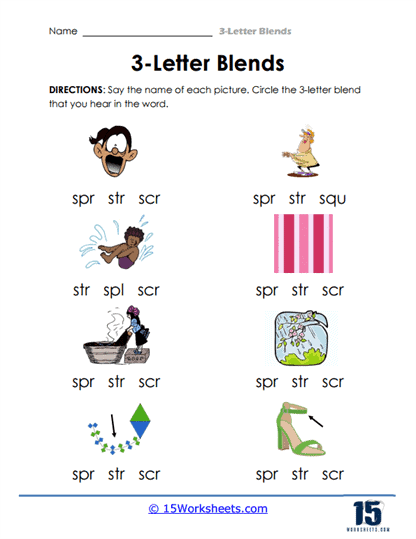
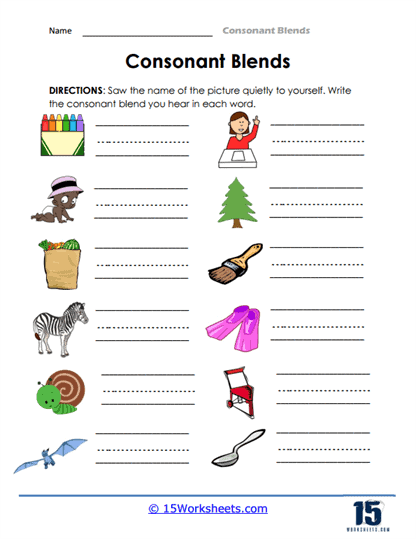
Blends are a combination of two or three consonant sounds that are pronounced together with no vowel sound between them. The types of worksheets located in this section are a type of consonant blend made up of three letters. They are commonly found at the beginning or end of words.
The goal here is to help build a strong sense of phonemic awareness which will help produce strong readers. Students will manipulate individual sounds in words to improve their ability to hear and identify these units in other words.
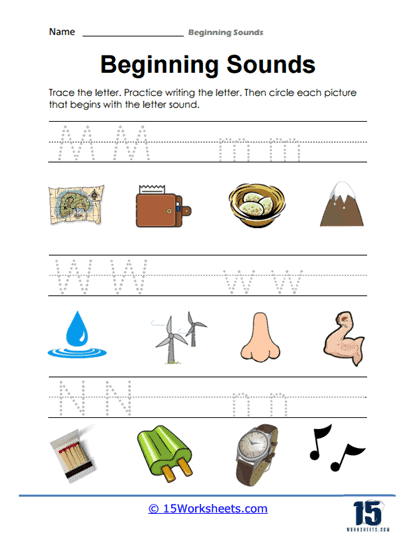
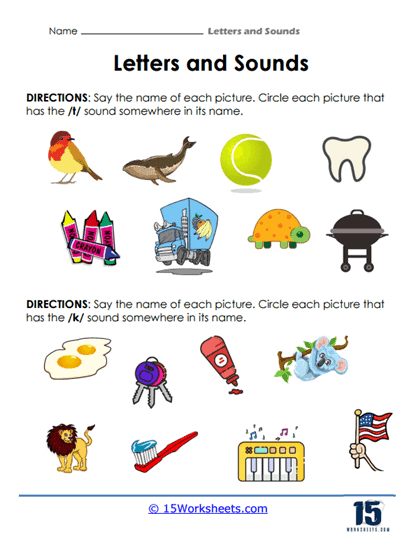
Students learn how to connect sounds to objects that they interact with on a daily basis. When students learn to find sounds at the front of a word it will help improve their ability to spell new terms.
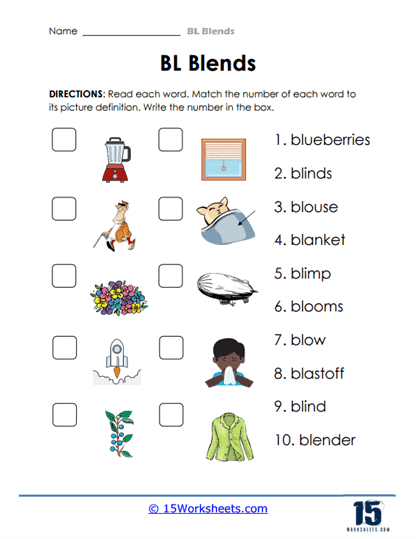
These BL blend worksheets help children hear and read beginning sounds in words like black and blue. As students practice reading, tracing, and sorting words, they build stronger decoding skills and more confidence with early reading.
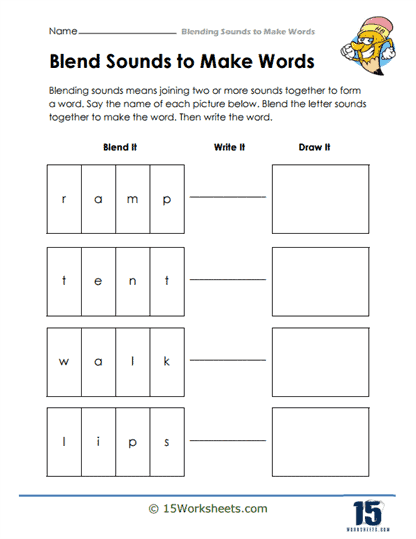
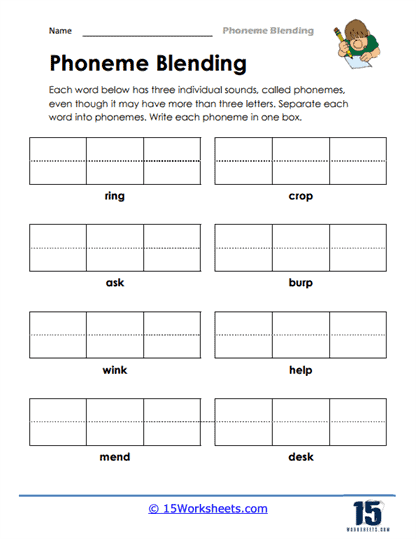
This is a fundamental skill when we are starting to learn to read. It involves combining individual sounds together to form a word. This will help them become better readers.
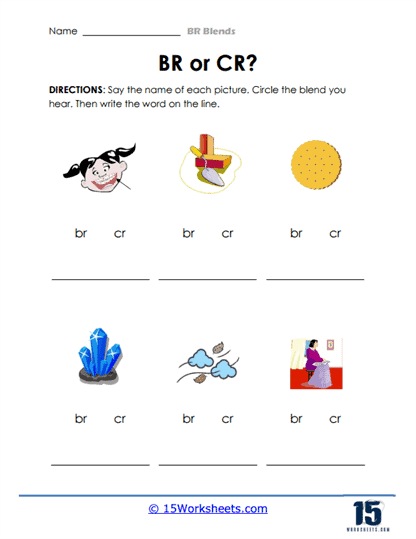
Our BR blend activities give young readers extra support with words like brick, brown, and brush. These worksheets guide children through recognizing sound patterns while improving both pronunciation and reading fluency.
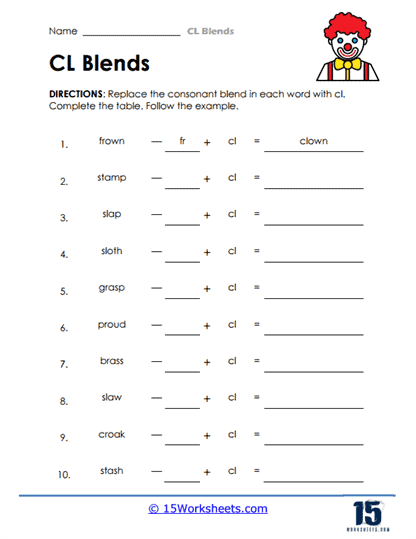
These CL blend worksheets introduce children to smooth beginning sounds in words like clap and clock. Through engaging practice pages, students strengthen phonics skills while learning to recognize common consonant blends quickly.
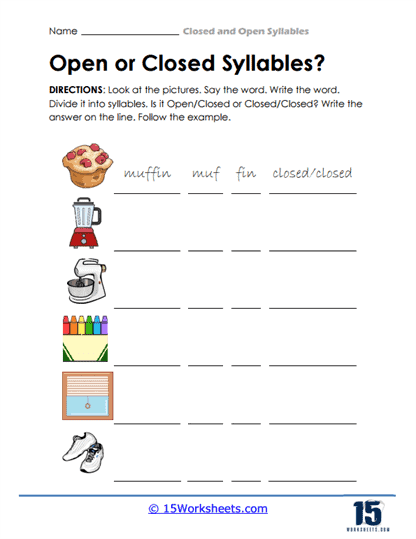
This collection helps children understand the difference between open and closed syllables, an important step toward becoming stronger readers. Parents will love how these worksheets break down tricky word patterns into simple, manageable practice.
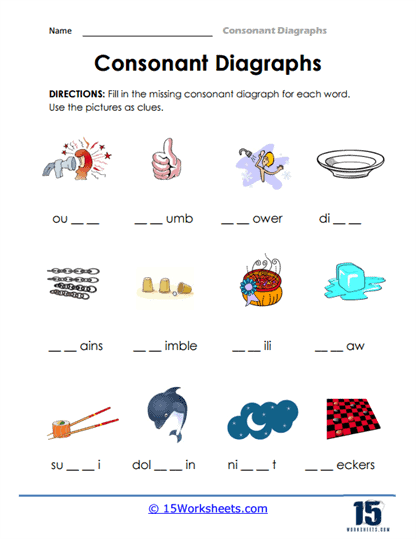
Students will be presented with two or more consonant sounds that are pronounced together with no vowel sound in between them. Students will learn to recognize new sounds that are distinct from the individual sounds produced by each of the consonants.
This is similar to the previous topic. We work on forming new sounds by the placement of diagraphs within words. Students will work with terms and objects that are age appropriate for new readers.
We look at the placement of these non-vowel letters within a wide variety of words. This skill plays a critical role in shaping the sounds and meaning of words.
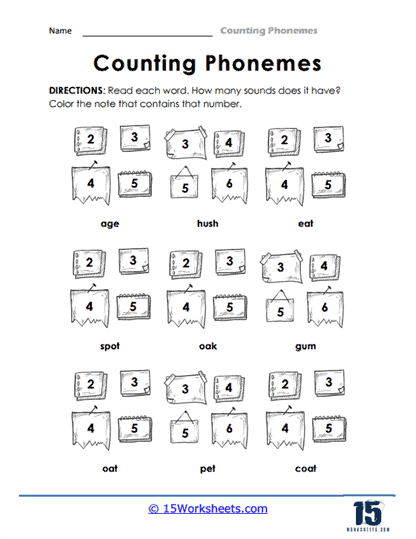
These are the smallest units of sound in a language, and they are the building blocks of spoken language. We count phonemes to help learners identify and manipulate the individual sounds in words.
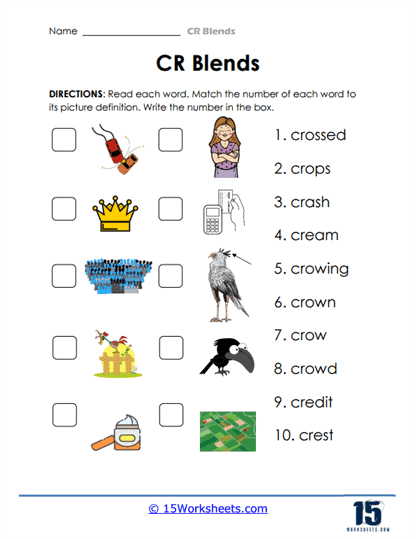
With CR blend worksheets featuring words like crab and crow, students practice blending sounds naturally while improving word recognition. The activities are designed to help young readers feel successful as they decode more complex words.
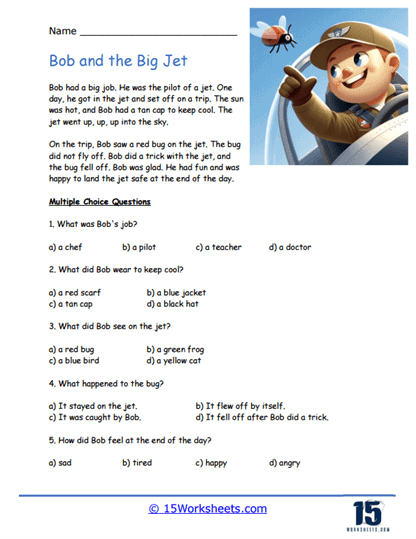
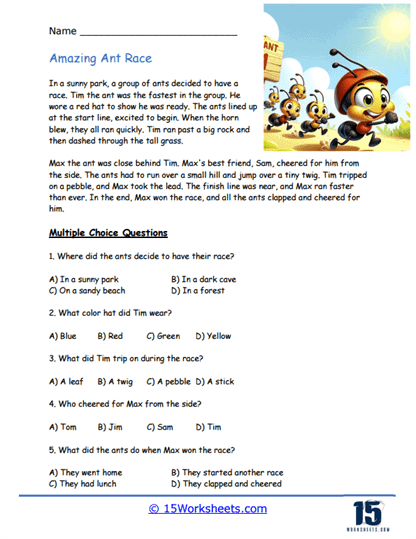
These short reading passages focus on simple consonant-vowel-consonant words to help beginning readers gain confidence. Each passage gives children meaningful reading practice while reinforcing foundational phonics patterns.
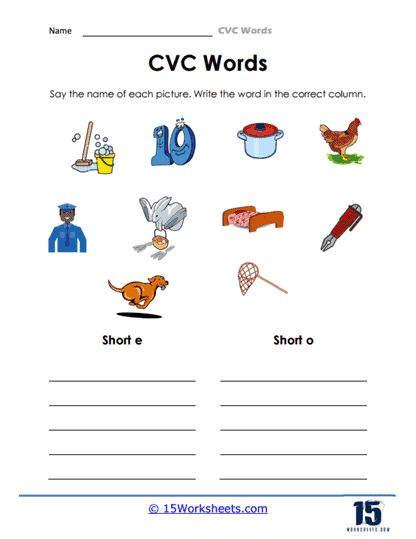
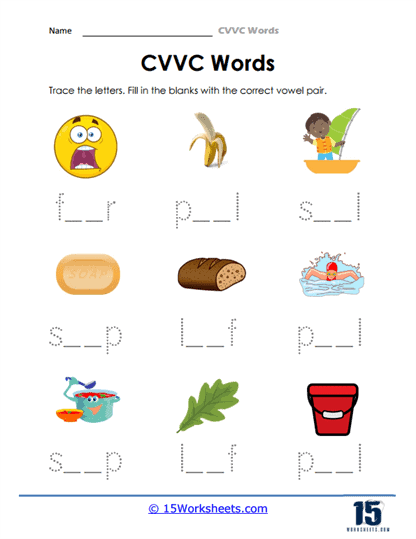
The words in this section follow a distinct pattern of consonant sound, a vowel sound, and another consonant sound, in that order. Understanding how before terms down like this can greatly boost reading fluency and comprehension.
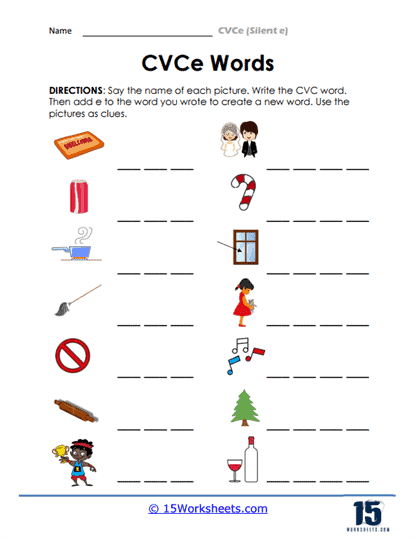
These are our silent (e) words. These types of terms have a changes to the sound of the vowel that precedes it, making it a long vowel sound.
Another phonics staple are terms that have a long vowel sound. These terms consist of a consonant sound, a vowel sound, another vowel sound, and a consonant sound, in that order. This is an essential skill that helps build decoding skills.
These terms all have a combination of two letters that represent a single sound or phoneme. The two letters can be either vowels or consonants. The focus here is identifying pairs that are found in objects.
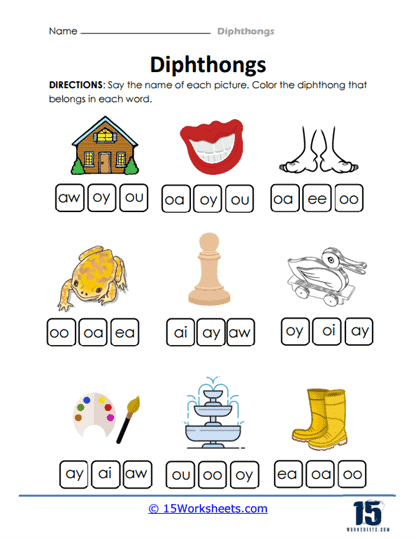
These terms all have what can be referred to as a gliding sound that runs over the letter combinations. These can be challenging for learners to enunciate because they involve a more complex movement of the mouth and tongue than pure vowel sounds.
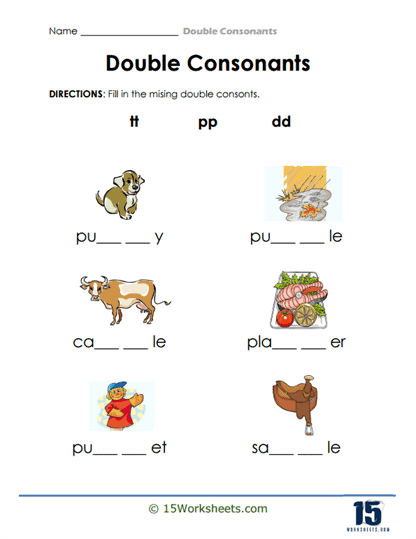
Our double consonant worksheets teach students how pairs like ll, ss, and tt work within words. Children get plenty of opportunities to read, spell, and recognize these patterns in a way that feels approachable and fun.
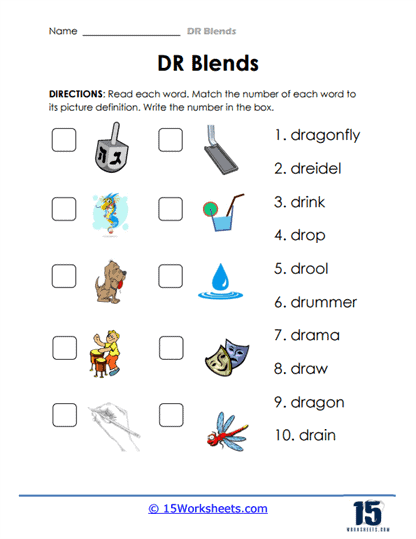
These DR blend worksheets give students practice with words such as drum, dress, and dragon. The exercises help children hear blended sounds more clearly while building reading accuracy and confidence.
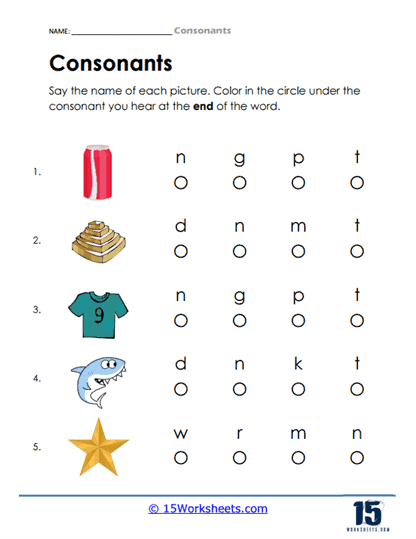
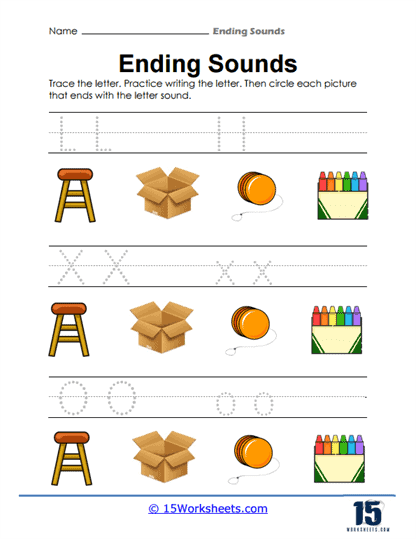
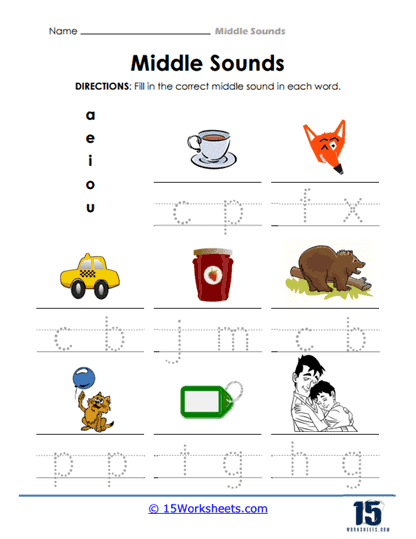
Students learn to recognize and produce the final sounds in words. Children learn to distinguish between different sounds in words and become more aware of the ways in which sounds combine to form words.
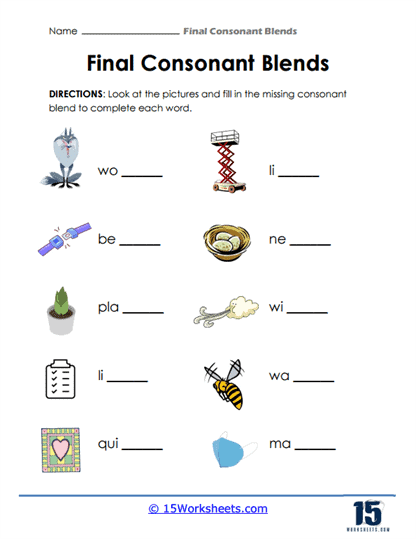
This collection focuses on ending blends like -st, -nd, and -mp to strengthen decoding and spelling skills. Students learn to listen carefully to ending sounds, which helps improve both reading fluency and writing.
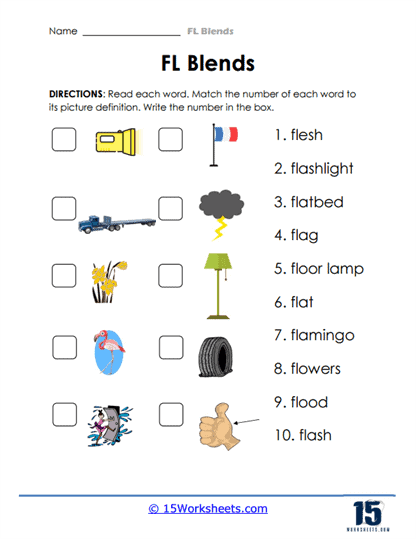
Children will practice FL blend words like flag, flip, and flower through engaging phonics activities. These worksheets encourage students to blend sounds smoothly and recognize patterns more automatically during reading.
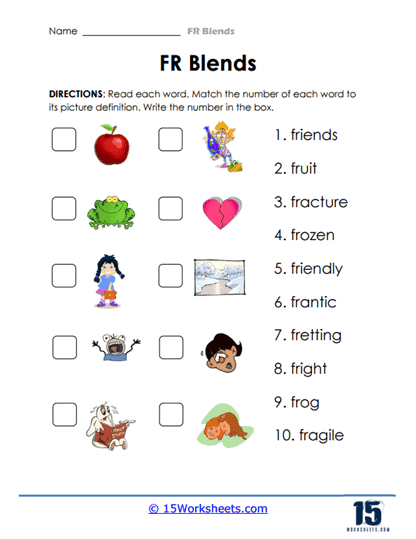
Our FR blend worksheets help children tackle beginning sounds in words like frog and fruit with confidence. Repetition and targeted practice make it easier for students to hear and read blends correctly.
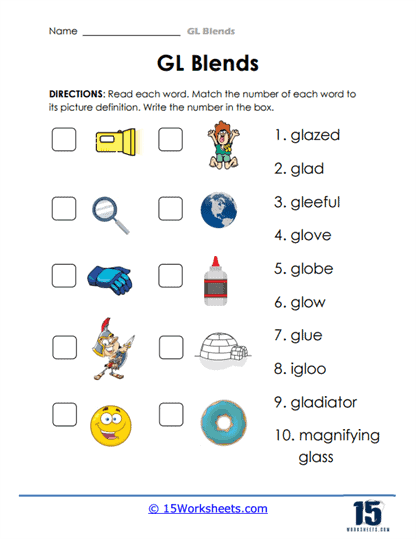
These GL blend activities introduce words like glove, glass, and glide in a kid-friendly format. Students build stronger decoding skills as they practice identifying and reading blend patterns independently.
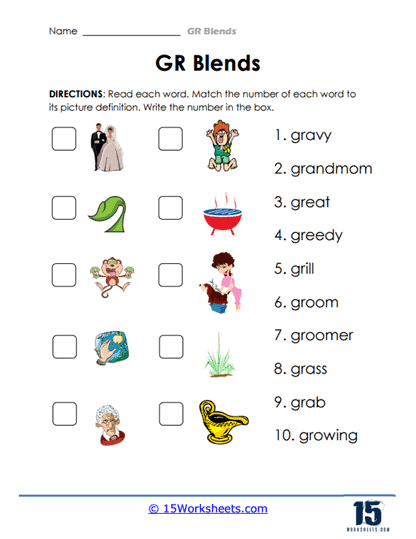
This worksheet set gives students meaningful practice with GR blend words such as green, grape, and grow. The activities are designed to improve both phonemic awareness and early reading fluency.
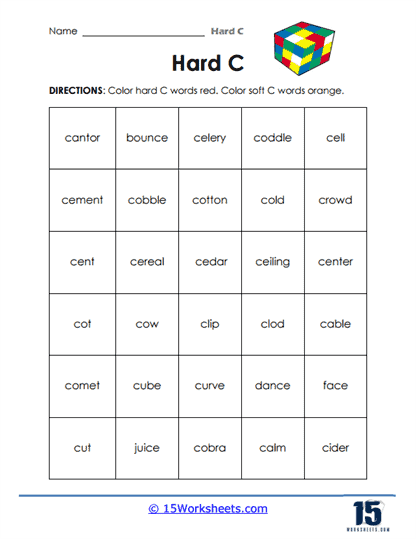
These are terms in which the letter (c) is pronounced with a (k) sound, rather than the sound that it typically makes before the letters (e, i, and y). It is determined by the following vowel or consonant, rather than by a spelling rule.
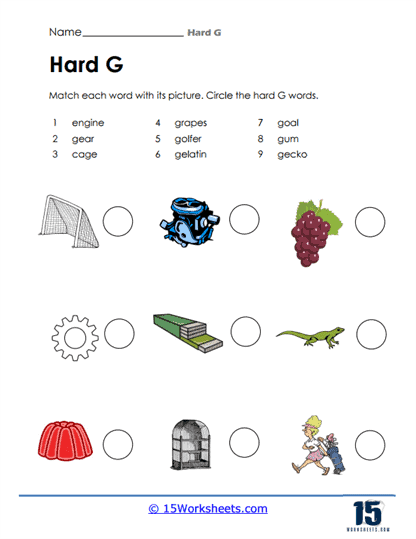
Students learn that the letter (g) can make different sounds in different words. This is important to learn because they illustrate the variability of English spelling and pronunciation.
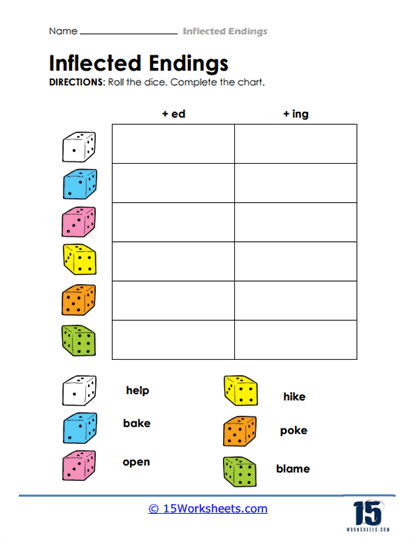
Children learn how endings like -ed and -ing change the meaning and tense of words through clear, guided practice. These worksheets help young readers and writers understand how words grow and change in everyday reading.
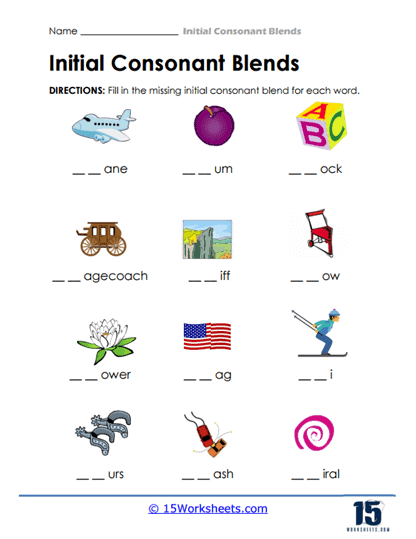
These worksheets focus on beginning blends that often challenge early readers, giving students repeated exposure to common sound combinations. By practicing blends in words and sentences, children become more accurate and confident readers.
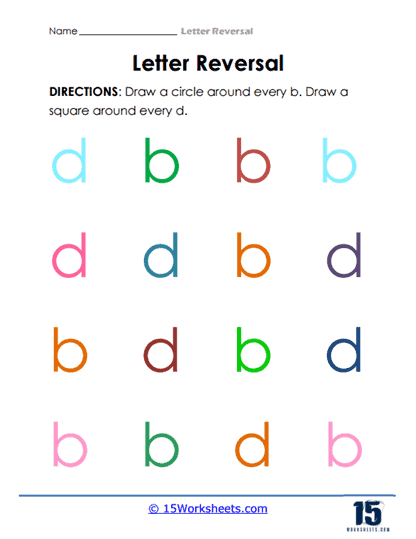
This collection helps students recognize and correct commonly reversed letters such as b and d. The activities are especially helpful for building visual discrimination skills and supporting developing writers.
We explore how the position of a letter in a word can create a variety of different sounds. This is a section you will want to explore after students have a good base of phonics skills.
These are vowel sounds that are pronounced for a relatively long duration of time. The vowels that are present within the word say their name.
This is a more advanced section for students that have a good handle on sounding out terms. The tone that is giving off by these letter pairs can change based on the letters that surround them.
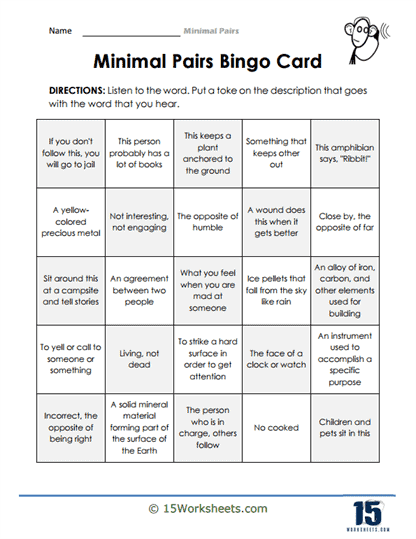
All of these terms differ by a single unit of sound or phoneme. This helps children to develop their ability to distinguish between sounds and understand the relationship between sounds and letters.
These phoneme awareness worksheets strengthen a child’s ability to hear and manipulate sounds in spoken words. Strong phonemic awareness is one of the biggest building blocks for future reading success, and these activities make practice engaging and approachable.
This is a crucial skill because it allows children to decode and read unfamiliar words by breaking them down into their component sounds and blending them together to create a whole word.
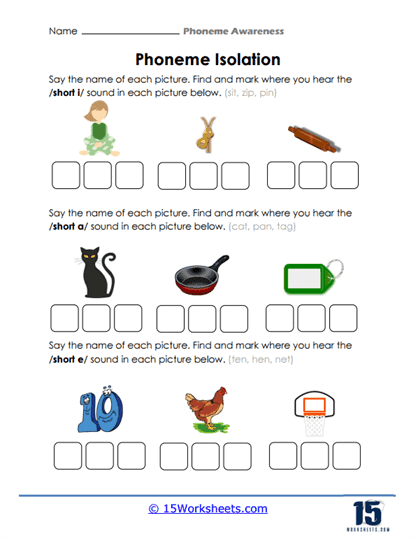
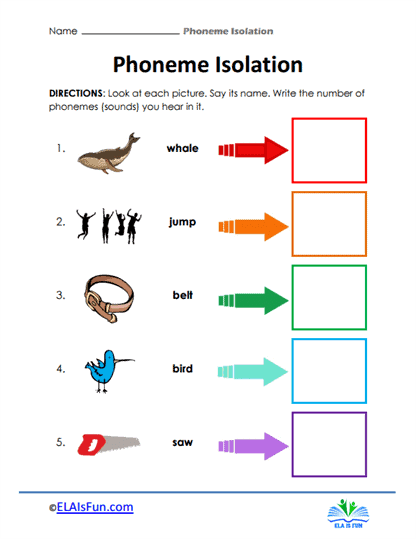
We work on the ability to identify and isolate individual sounds or phonemes in spoken words. This is a huge part of improving your listening skills.
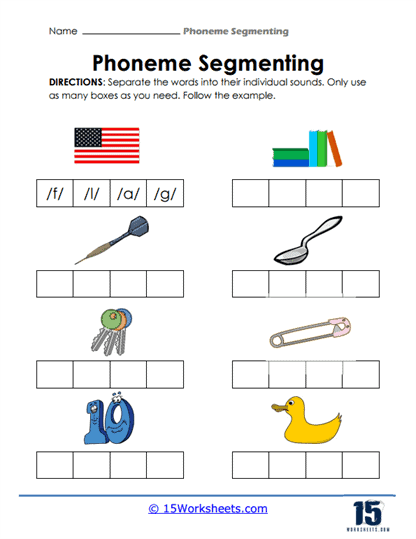
We break around words into their individual phonemes. This can help students vastly improve their spelling and term recognition skills.
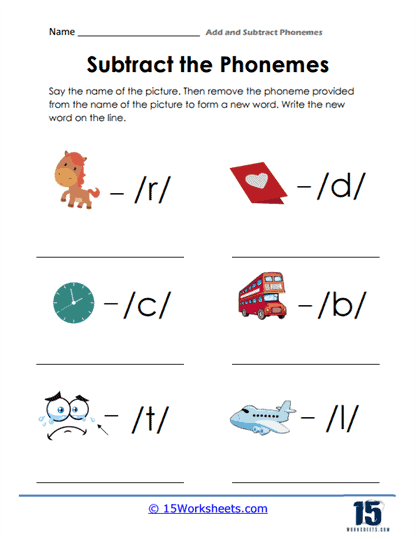
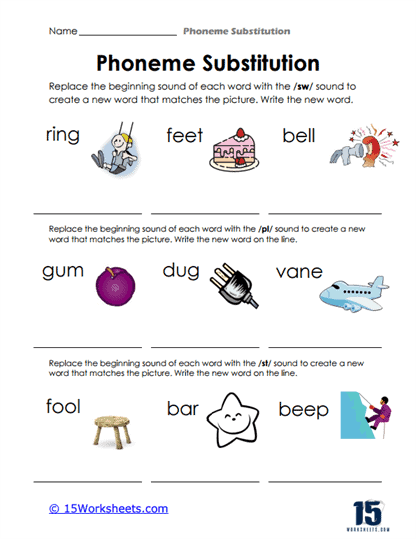
We remove a phoneme and place a new one in terms to completely modify the meaning of words. This can improve overall literacy and language abilities, as well as the ability to decode and spell words accurately.
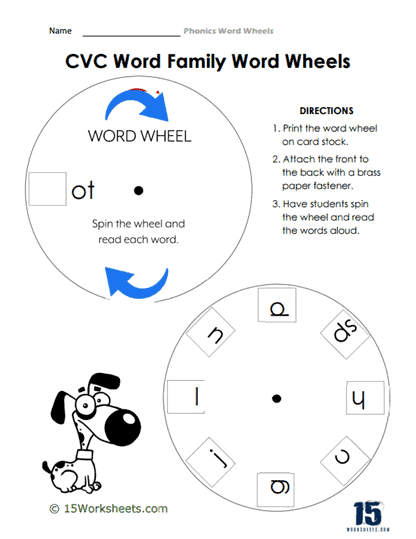
These tools are used to help children learn and practice blending and segmenting skills. They consist of a circular chart with letters or letter combinations on each section, which can be rotated to create new words.
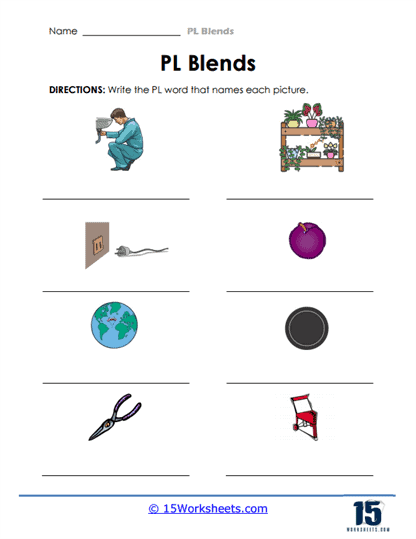
Students practice PL blend words like plant, plane, and plug while developing smoother reading habits. These worksheets encourage children to blend sounds naturally and improve overall word recognition.
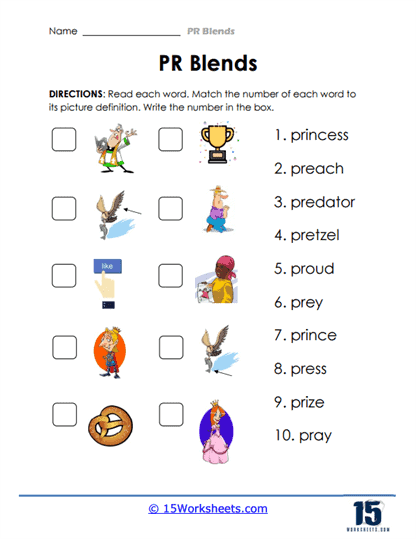
Our PR blend worksheets help students master words such as print, prize, and practice. Through focused phonics exercises, children gain the confidence needed to decode unfamiliar words independently.
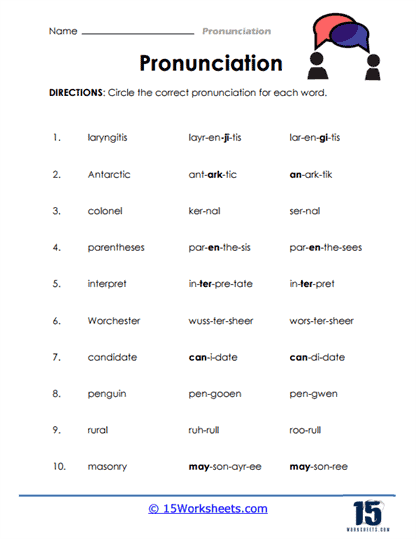
These are great to help with spoken language skills. They help students identify the proper way to say different terms.
R Controlled Vowel Reading Passages
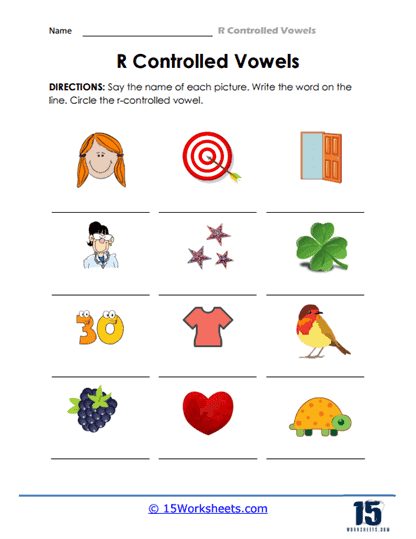
These reading passages give students targeted practice with tricky r-controlled vowel sounds like ar, er, ir, or, and ur. The short stories help reinforce phonics skills while also improving comprehension and fluency.
Vowels that are followed by the letter (r) are often bossed around. They are pronounced differently than they would be in other circumstances.
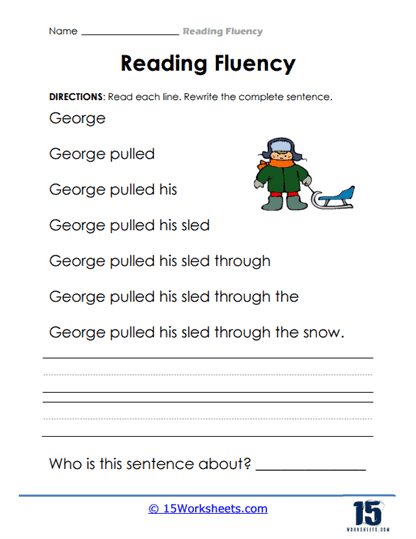
This collection is designed to help children read more smoothly, accurately, and confidently over time. Repeated reading practice encourages stronger pacing, expression, and overall comprehension.
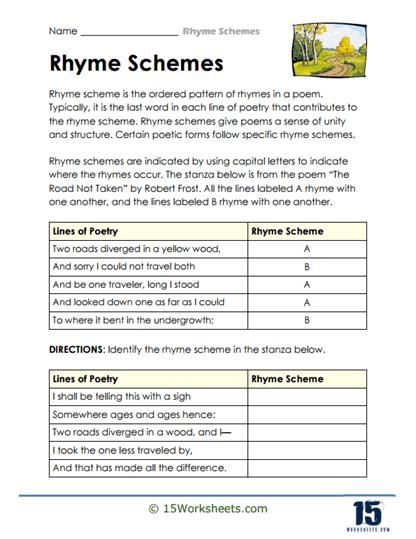
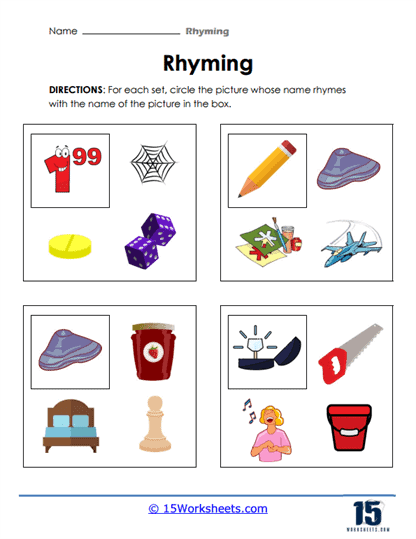
These worksheets introduce children to rhyme patterns in poetry and songs in a fun, accessible way. Students learn to identify and create rhymes while developing stronger listening and language skills.
This builds up from the ending sounds section. This is often a very fun skill and can lead into poetry and songs. Rhyming is a fun and engaging way to develop phonological awareness skills.
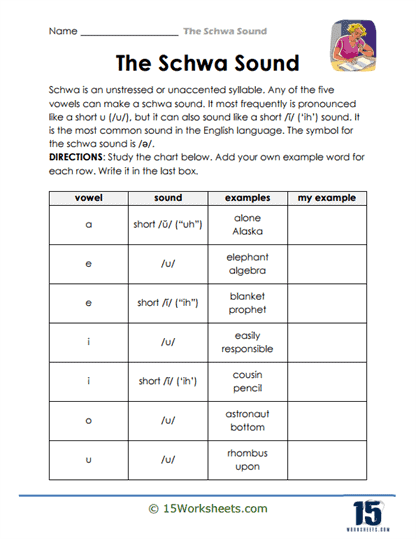
Schwa sounds can be tricky for young readers, but these worksheets make them easier to recognize and understand. Students practice identifying the relaxed vowel sound found in many everyday words, helping improve pronunciation and decoding.
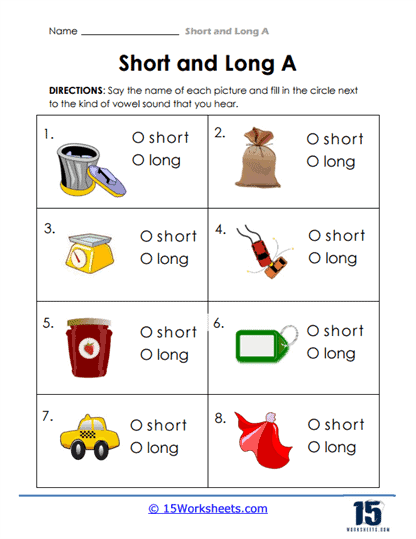
These worksheets help children distinguish between the short and long A sounds through reading, sorting, and spelling activities. Students learn to recognize important vowel patterns that support stronger reading skills.
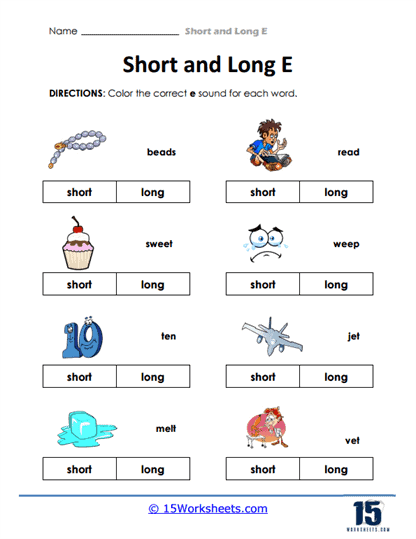
This collection gives students extra practice hearing and identifying both short and long E vowel sounds. The activities are designed to build stronger decoding habits while helping children become more confident readers.
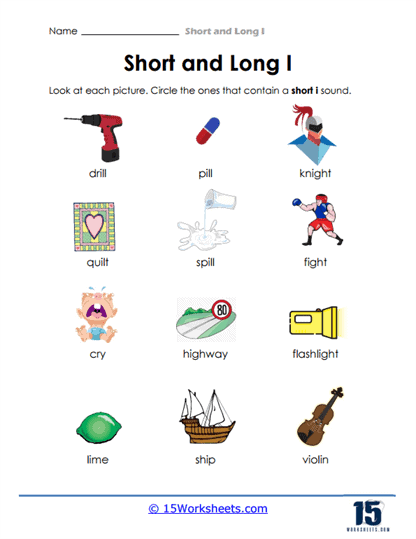
Children explore the difference between short and long I sounds through engaging phonics exercises and reading practice. These worksheets make vowel recognition easier and support early literacy growth.
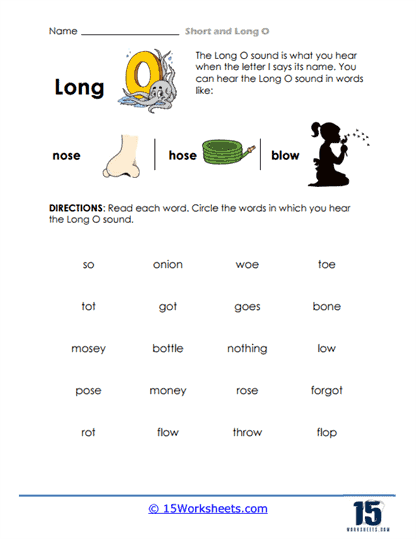
These worksheets teach students how to recognize and use short and long O vowel patterns in words and sentences. Repetition and guided practice help children improve reading accuracy and spelling skills.
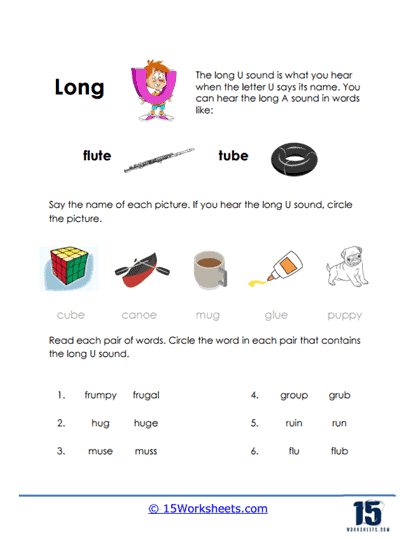
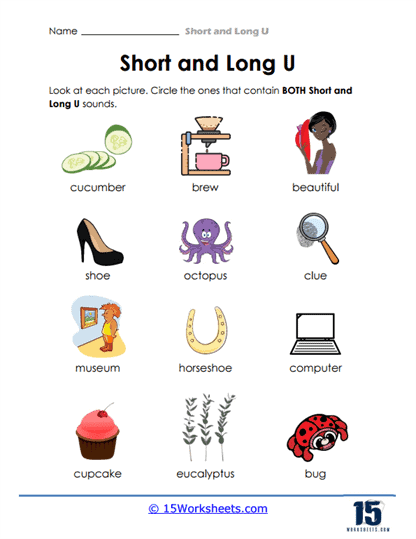
Our short and long U worksheets help children hear the difference between vowel sounds in a clear and supportive way. Students gain confidence decoding and spelling words as they practice common vowel patterns.
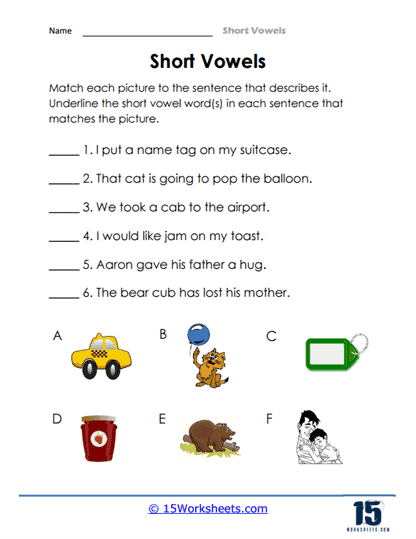
These reading passages give beginning readers meaningful practice with short vowel sounds in connected text. The simple stories help strengthen fluency while reinforcing foundational phonics concepts.
These are represented by a single vowel letter, with no additional consonant letters or vowel sounds following it. We pair the terms in such a way that they all share the same phonetic patterns.
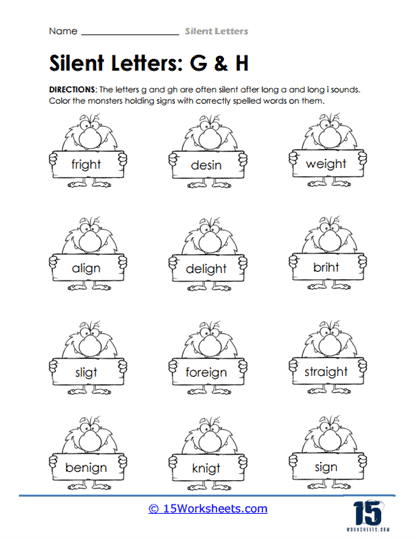
This worksheet collection helps students understand why some letters are written but not pronounced in words like knight and comb. Children practice recognizing silent letter patterns so reading unfamiliar words becomes less frustrating.
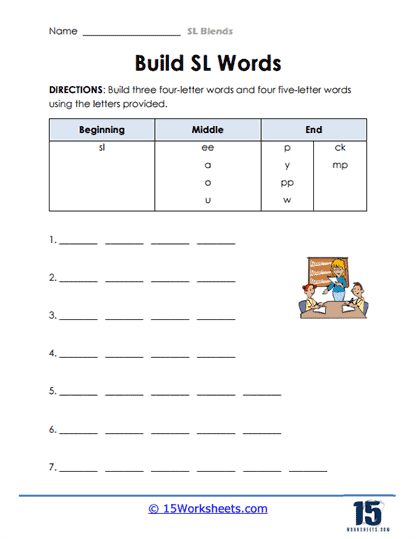
Students practice SL blend words such as slide, sleep, and slow through fun phonics activities. The worksheets support smoother blending and help children read more naturally.
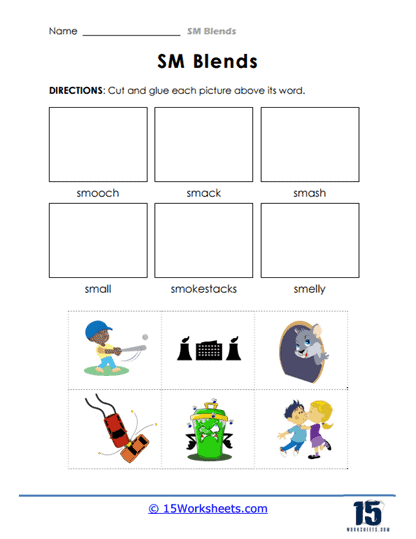
These SM blend worksheets introduce children to words like smile, small, and smoke with plenty of guided practice. Repetition helps students become more comfortable decoding blends in everyday reading.
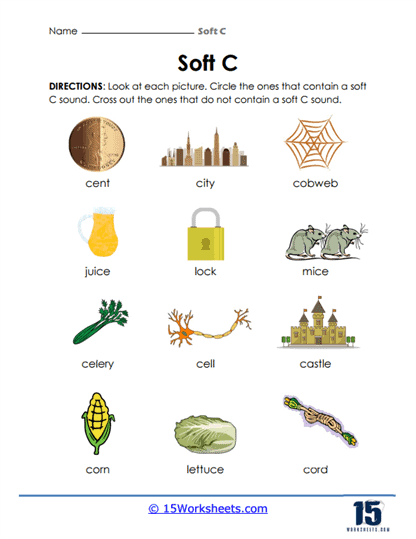
These sounds are produced when the letter (c) is normally followed by the letters (e, i, or y). We learn how to identify where this sound is clearly located within words.
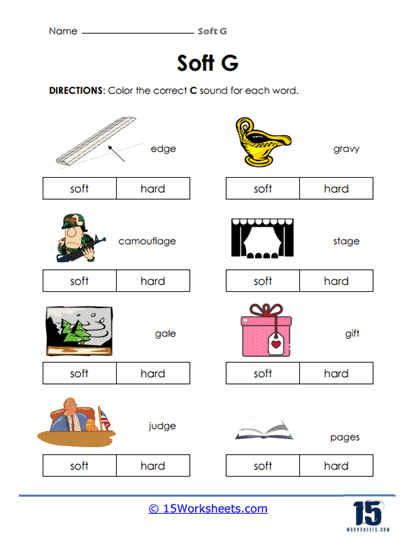
These following the same pattern found in the previous topic, but this time the focus is on the letter (g). This is usually a more advanced skill to work on.
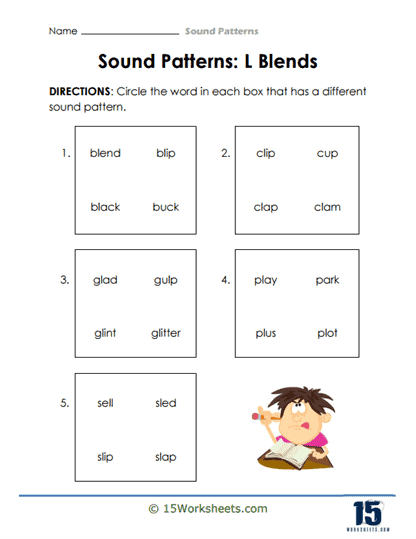
The goal of this section is to find words that all share a common pattern or blending scheme. We pick out the terms that do not follow that identified model.
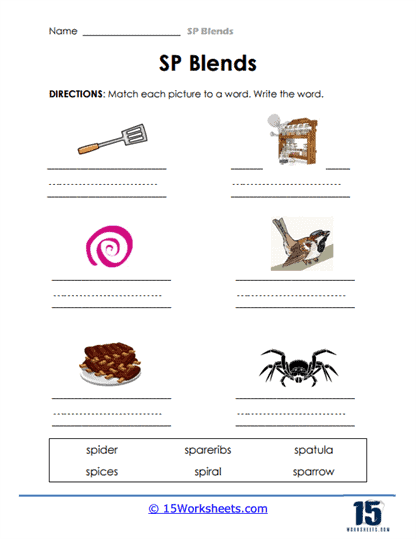
This collection focuses on SP blend words such as spin, spot, and spoon to strengthen beginning sound recognition. Children build phonics confidence while improving reading fluency one sound pattern at a time.
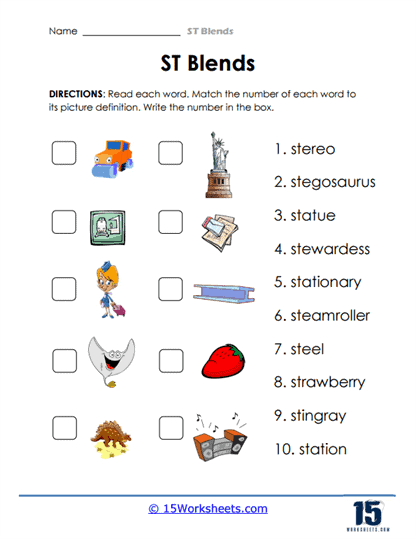
Our ST blend worksheets help students decode words like star, stick, and stone more easily. These activities reinforce consonant blending skills while supporting stronger overall reading development.
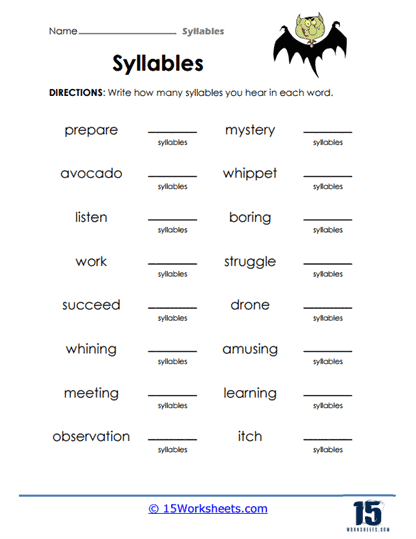
We break terms into their basic units of sound and identify how many distinct sounds a word will produce. This can help children to break words down into smaller, more manageable units, which can make it easier for them to read and pronounce words accurately.
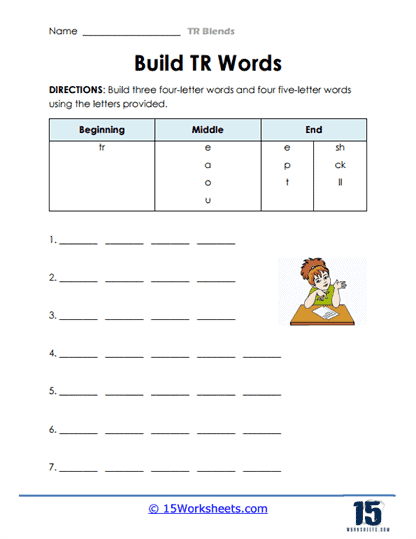
Children practice TR blend words like tree, train, and truck through engaging phonics exercises. The worksheets help students hear blended sounds clearly and apply them during reading.
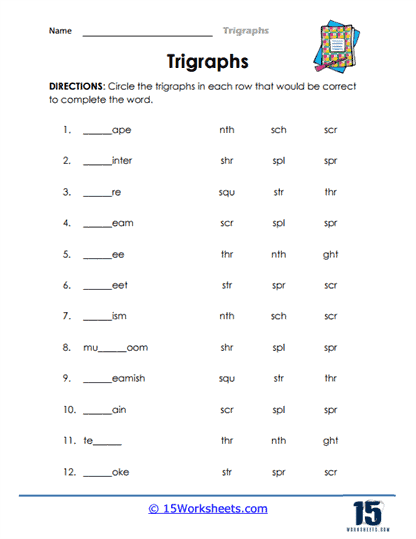
These three consecutive letters make a single sound or phoneme. We identify how these pairs are used differently across multiple terms.
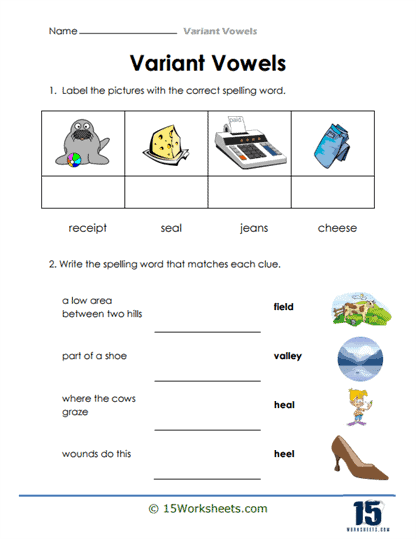
This is a core spelling skill. Students will learn how vowel combinations can produce new and unique sounds based on their positioning with a term.
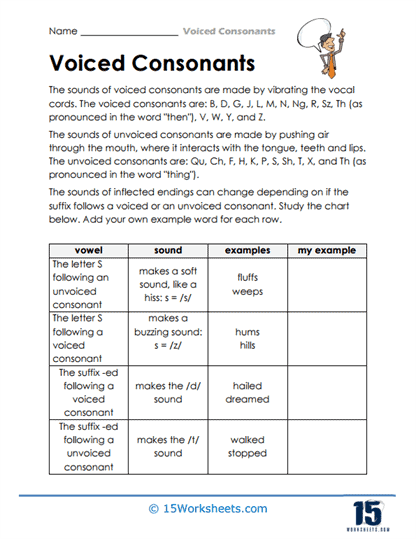
These worksheets teach students how voiced consonant sounds are made using vibration from the vocal cords. By comparing voiced and unvoiced sounds, children become more aware of pronunciation and speech patterns.
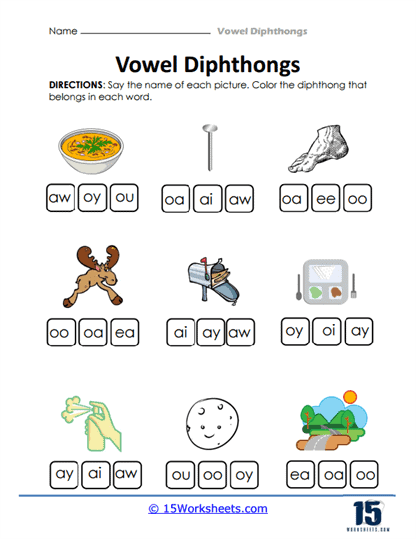
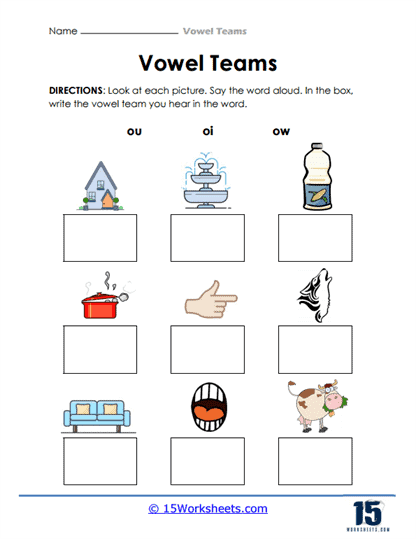
This collection introduces vowel pairs like ea, oa, and ai that work together to make one sound. Students practice reading and spelling words with vowel digraphs to build stronger decoding and fluency skills.
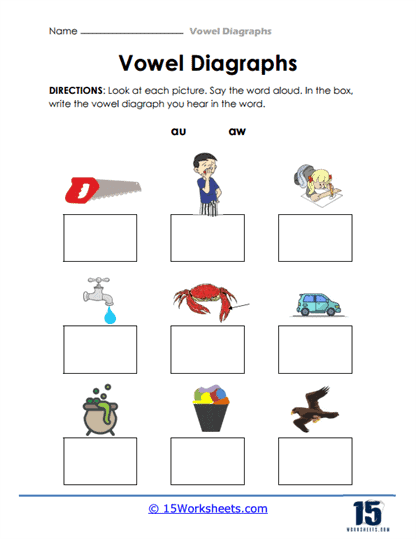
This builds upon diphthong worksheets. The focus here is to work solely with non-consonant pairs.
The focus is on the use of two or more vowels that produce a single vowel sound or a diphthong (a gliding vowel sound).
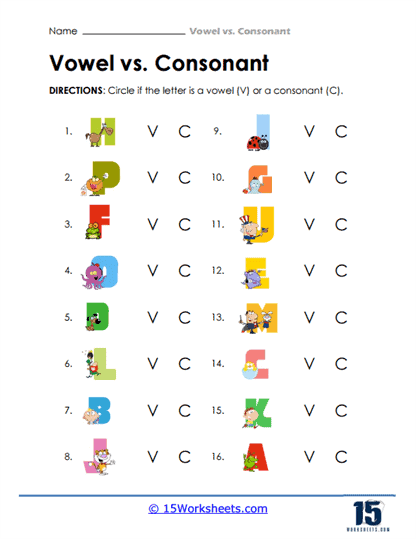
The English alphabet consists of 26 letters, out of which five are vowels (a, e, i, o, u) and the remaining 21 are consonants. We learn how to identify the classification of letters and the sounds that they will produce.
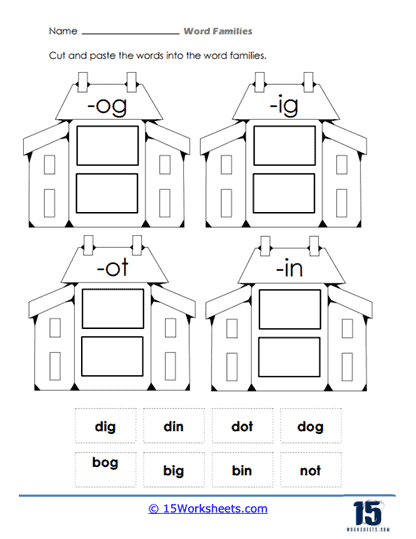
These are groups of words that share a common spelling pattern, usually a common base word or root word, and have similar sounds and meanings. This is a great skill to help build up vocabulary skills.