
Number 2 Worksheets





About These 15 Worksheets
The number 2 is one of the first numbers children learn, and this worksheet collection makes it fun and memorable. Each page uses playful themes-like bunnies, penguins, pineapples, and even scoops of ice cream-to bring the idea of “two” to life. Kids practice tracing, counting, coloring, and spotting the numeral, giving them well-rounded exposure to the concept. The variety keeps practice engaging while ensuring the number 2 becomes familiar and easy to recognize.
These worksheets also introduce children to the idea of pairs, a key concept in early math. Activities like “Two Fingers,” “Pair of Elephants,” and “Pair of Birds” reinforce the connection between the numeral and sets of two. Tracing sheets build fine motor control, while coloring and puzzle-style activities make recognition feel playful. This combination of skills ensures learners develop both confidence and accuracy.
Best of all, the collection helps kids see how twos appear in the world around them. From animal pairs to soup bowls to waves, students begin to recognize that the number 2 isn’t just something on a page-it’s part of daily life. By the end of the set, children will be comfortable counting, writing, and spotting 2 wherever it appears.
Have a Look Inside Each Worksheet
Two Bunnies
Children count and color pairs of bunnies to reinforce the number 2. The animal theme makes counting playful and familiar. It strengthens one-to-one correspondence. Kids enjoy connecting numbers with everyday creatures.
Penguin Tracing
Students trace the number 2 alongside cute penguin illustrations. This worksheet blends handwriting practice with fun visuals. It helps build fine motor skills while reinforcing recognition. The theme keeps kids engaged in their tracing practice.
Pair of Elephants
Learners count elephants shown in pairs. The activity ties the numeral 2 to real-world animals. It reinforces the concept of grouping. The fun design makes counting more memorable.
2 Scoops
Children count two scoops of ice cream and color them in. This sweet theme makes number practice exciting. It reinforces quantity recognition with a familiar treat. Kids love the playful connection to food.
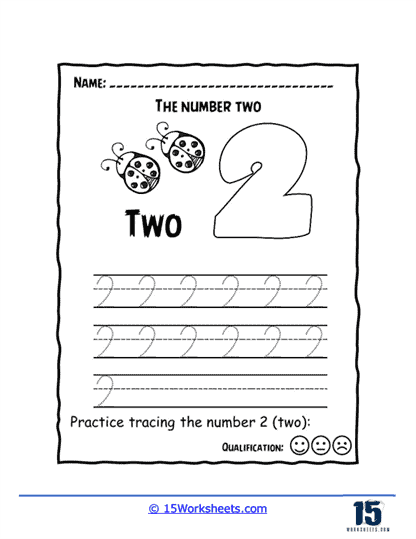
Ladybug Pairs
Students spot and count ladybugs in pairs. The worksheet highlights the idea of “two” through insects. It builds observation and counting skills. The theme adds charm and fun.
Two to Find
Learners search for the number 2 among other numbers. It sharpens visual recognition and attention to detail. The activity feels like a mini puzzle. Kids get quick, focused practice.
Two Tigers
Children count groups of two tigers on the page. The theme ties counting to wild animals. It reinforces recognition of the numeral 2 with engaging visuals. The worksheet adds adventure to practice.
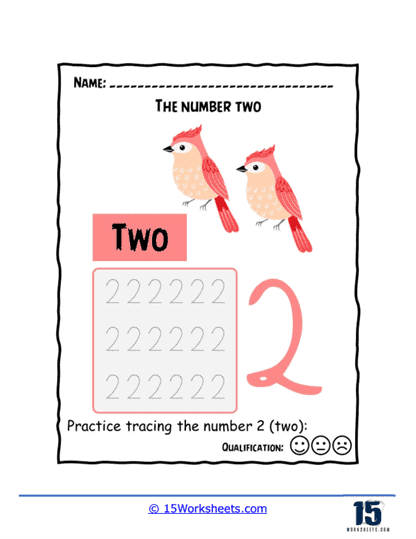
Pair of Birds
Students count and identify pairs of birds. This reinforces the connection between pairs and the number 2. It builds fluency in matching numbers to sets. The theme feels lighthearted and relatable.
Review of Two
This worksheet combines tracing, counting, and coloring activities. It serves as a well-rounded review of the number 2. Learners strengthen recognition and handwriting. It’s perfect for practice or assessment.
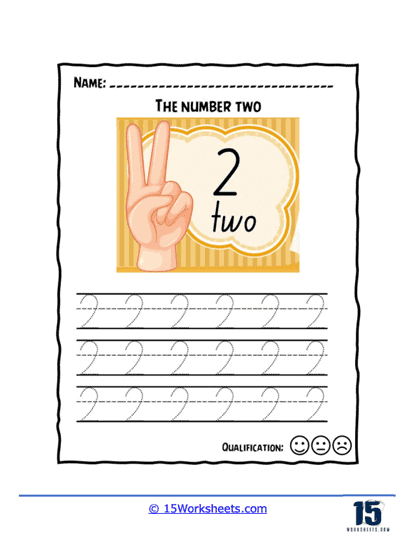
Two Fingers
Children trace and count pictures of hands showing two fingers. The familiar image makes learning clear. It ties numbers to body awareness. It’s simple, effective, and fun.
Pair of Pineapples
Learners count two pineapples grouped together. The fruit theme adds a real-world connection. It reinforces the concept of pairs and twos. Kids enjoy the colorful design.
Mandala Twos
Students color decorative mandala patterns featuring the number 2. The artistic theme keeps practice creative. It builds recognition while promoting focus. Kids love the mix of math and art.
Color Two Waves
Children color sets of two waves in a seaside scene. The theme makes learning playful and calming. It reinforces visual grouping of twos. The worksheet adds creativity to practice.
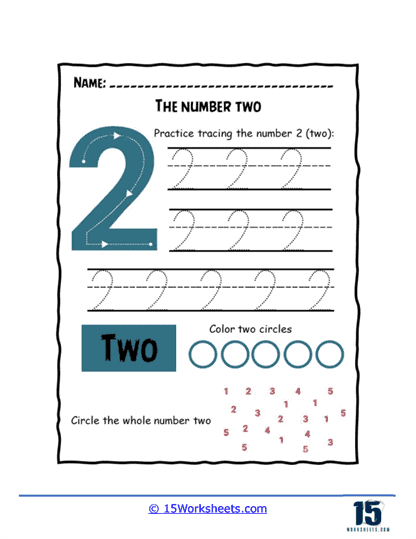
Review the Number
This review page mixes tracing, coloring, and finding 2s. It ensures students can recognize and use the number in different ways. The variety makes it a strong wrap-up activity. It’s useful for review or testing readiness.
Two Soup
Learners count and color pairs of soup bowls. The everyday theme makes the number relatable. It reinforces the idea of two as a quantity. The activity blends real-world context with practice.
How to Teach The Concept of Number 2
Begin by introducing the number 2 as a symbol and concept. Show the child the written numeral “2” and explain that it represents the quantity of two. Use visuals such as counting fingers or objects in pairs to reinforce the idea that two represents a specific quantity. Engage the child in counting activities that involve the number 2. Count objects or pictures in pairs, emphasizing that each pair represents the number 2. For example, count pairs of shoes, socks, or even fingers on hands. Practice recognizing and identifying the written numeral “2” in various contexts. Point out the number 2 in books, on signs, or in everyday objects. Encourage the child to identify and trace the number 2.
Use visual aids to help the child grasp the concept of the number 2. Draw or display pictures of pairs of objects, animals, or people. Reinforce that each set of two is represented by the number 2. Utilize hands-on materials such as counters, blocks, or toys to demonstrate the concept of two. Encourage the child to group the objects into pairs, emphasizing that each pair represents the number 2.
Relate the number 2 to real-life situations. Point out instances where pairs or twos are commonly found, such as a pair of shoes, a pair of eyes, or a pair of hands. Encourage the child to identify and count instances of twos in their surroundings. Incorporate fun games and activities to reinforce the understanding of the number 2. Play matching games where the child has to pair objects or cards in twos. Use puzzles or online math games that focus on the number 2.
Remember to make the learning experience enjoyable and age-appropriate. Use a variety of teaching methods and adapt them to suit the child’s individual learning style. Positive reinforcement, praise, and encouragement go a long way in fostering a child’s understanding and confidence with the number 2.