
Ordering Numbers Worksheets
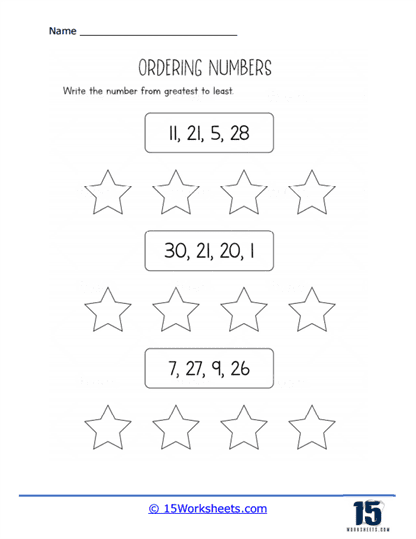
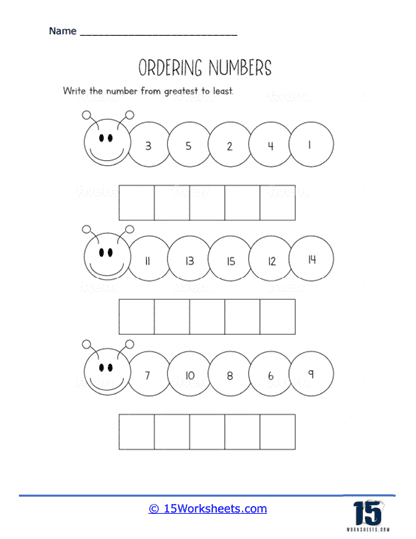
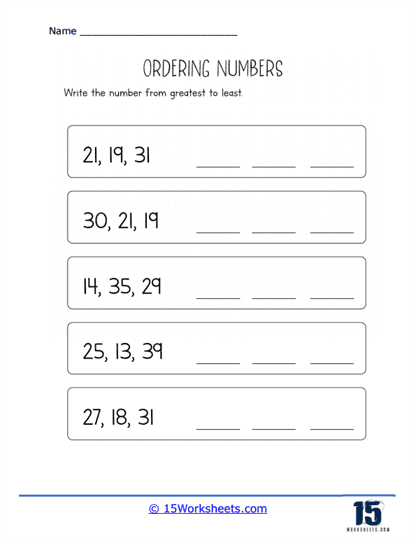
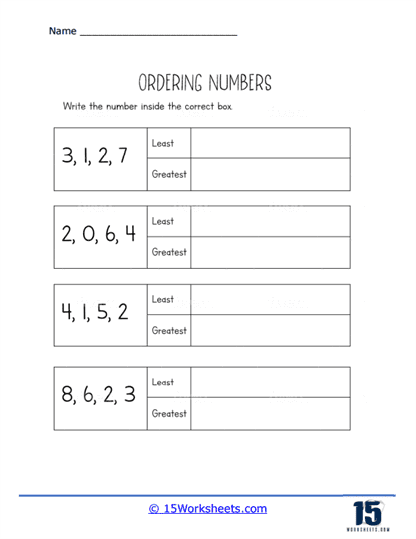

About These 15 Worksheets
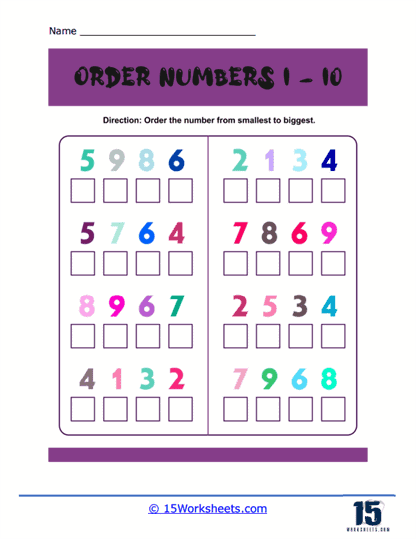
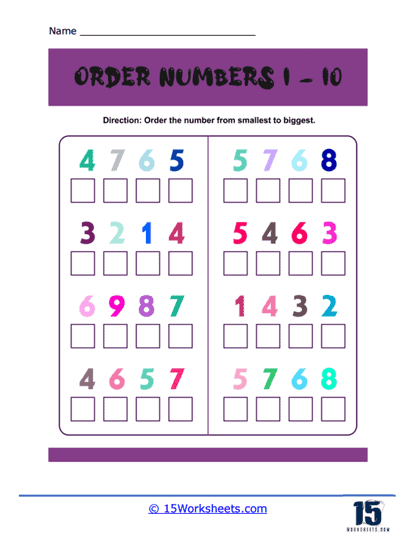
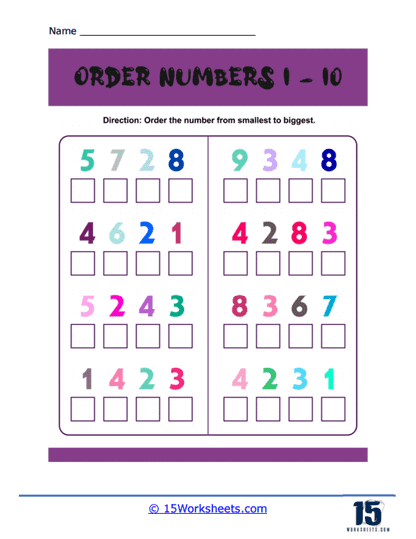
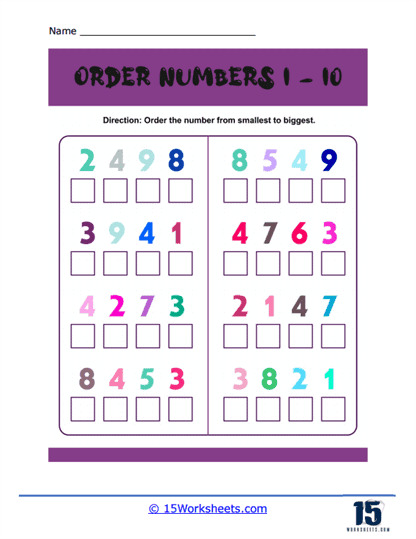
Learning to order numbers is one of those quiet but powerful skills in math. It’s not flashy like fractions or geometry, but it sits at the foundation of almost everything students will do later. These worksheets approach that foundation with care, offering simple, structured practice that gently moves from the basics to more complex challenges. Each page gives students a chance to notice patterns, make comparisons, and build confidence in understanding how numbers relate to each other.
The variety of worksheets makes the practice feel approachable instead of overwhelming. Some activities focus on just a few numbers at a time, while others ask learners to stretch their thinking a bit further. The themed pages-whether with trees, apples, or penguins-give just enough visual interest to keep students engaged without distracting from the math itself. Step by step, children begin to recognize that ordering isn’t just about memorization; it’s about making sense of value and sequence in a way that becomes second nature.
What makes these worksheets meaningful is how they support both skill and confidence. By giving learners plenty of opportunities to succeed in small, manageable steps, they show that math is something they can handle. That sense of assurance builds persistence, which is as important as the numbers themselves. These worksheets don’t just teach ordering-they quietly prepare students for the problem-solving and reasoning they’ll carry into every part of their math journey.
Have a Look Inside Each Worksheet
Tree Canopies
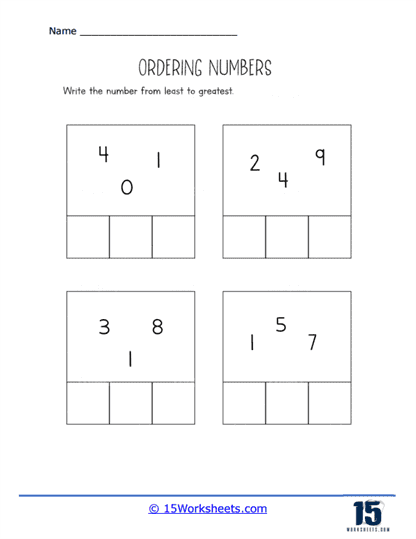
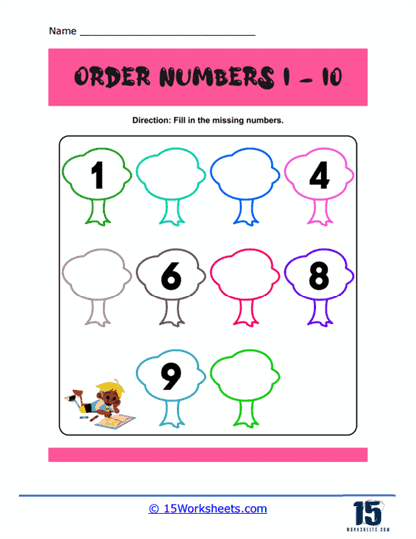
This worksheet uses a playful tree canopy image to help students arrange numbers from smallest to largest. The nature-themed backdrop makes number ordering feel like a leafy adventure. It encourages learners to practice sequencing in a gentle, visual way. This activity connects math with a touch of storytelling fun.
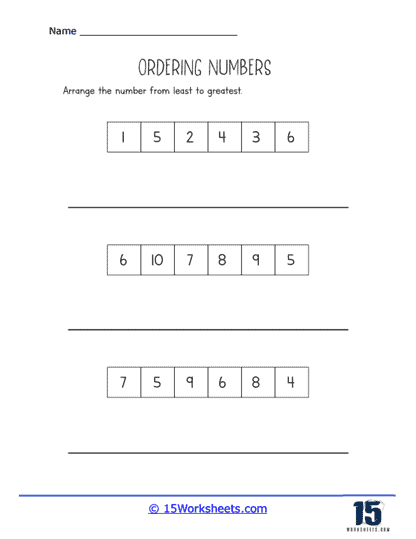
Small to Large
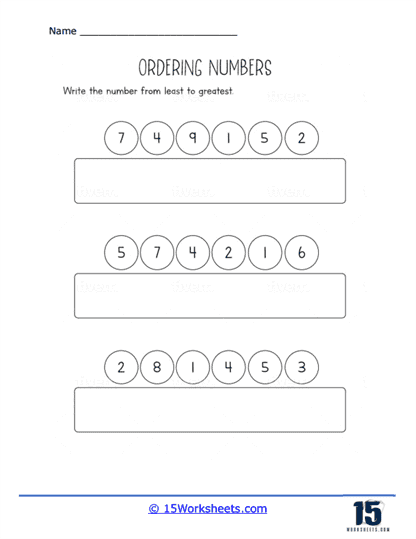
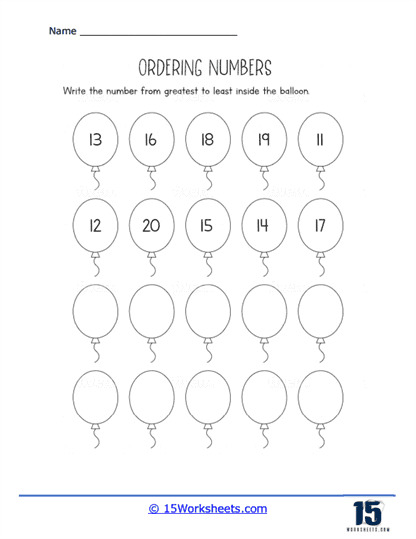
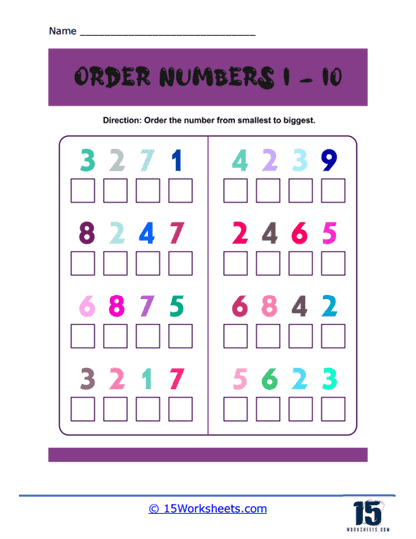
Students are prompted to order numbers by thinking about their relative size-from small to large. It strips the concept down to basics, letting them focus on number value comparisons. The simplicity ensures clarity and steady progress. It’s ideal for strengthening fundamental number sense.
Little to Big
This version rephrases the same concept-arranging numbers from “little” to “big”-in a friendly, approachable way. It’s worded to sound conversational and accessible for early learners. By reinforcing phrasing, it supports comprehension and memory. It’s a reassuring way to practice ordering with a gentle tone.
Sort Them
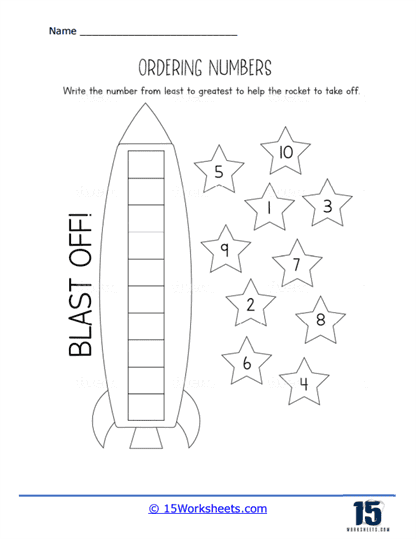
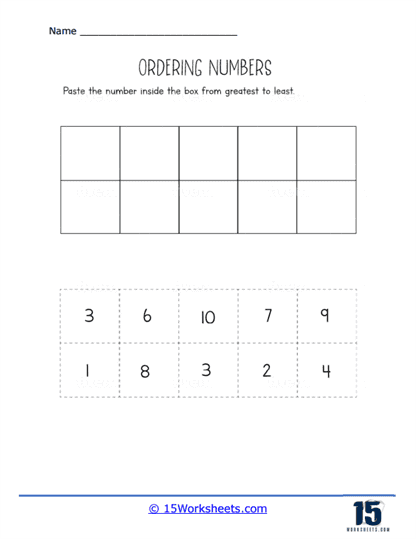
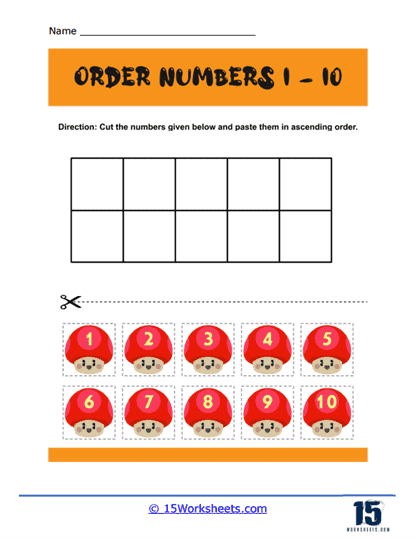
Here, students are invited to “sort” numbers into the correct numerical order. The task feels hands-on-like organizing a small set of number toys. This physical framing (even in print) can make the task more tangible. It keeps engagement high while building ordering skills.
Ordering 4 Numbers
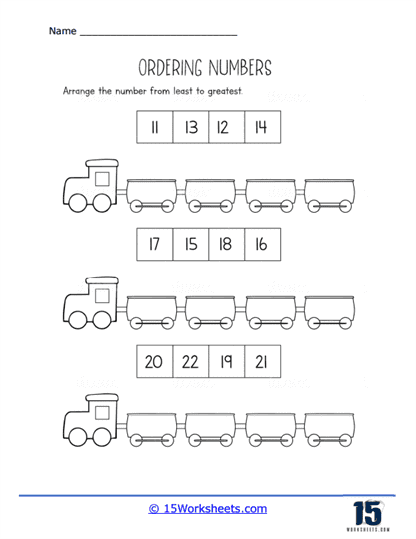
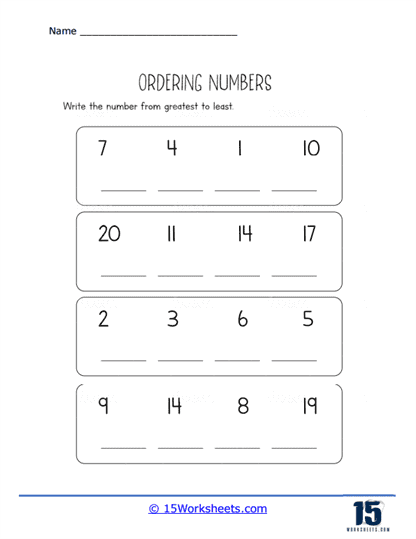
In this worksheet, learners focus on ordering exactly four numbers at a time. The limited set reduces cognitive load and allows students to concentrate on the ordering process itself. It builds confidence through manageable chunks. This activity sharpens number comparison without overwhelming.
More Practice
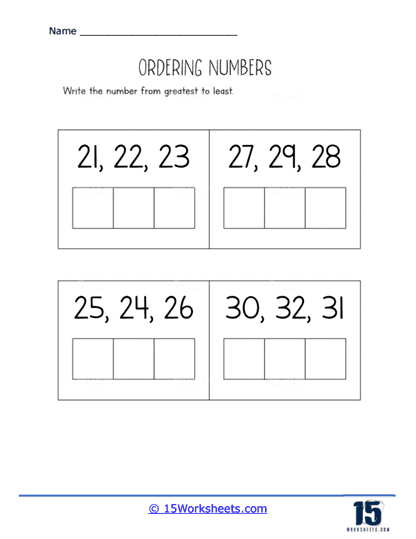
As the title suggests, this worksheet offers extra opportunities to practice number ordering. It reinforces previously learned skills through repetition and variety of examples. The additional practice helps solidify understanding. It’s a go-to for teachers or parents looking to reinforce mastery.
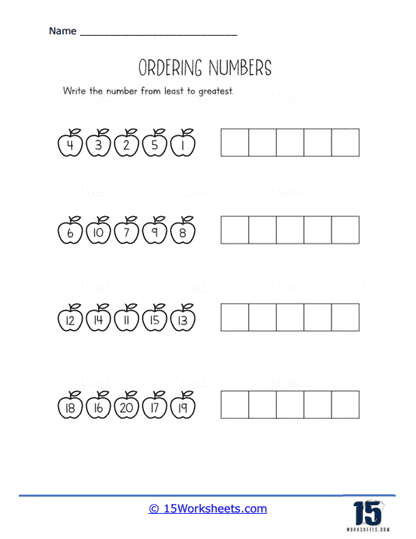
Ascending Apples
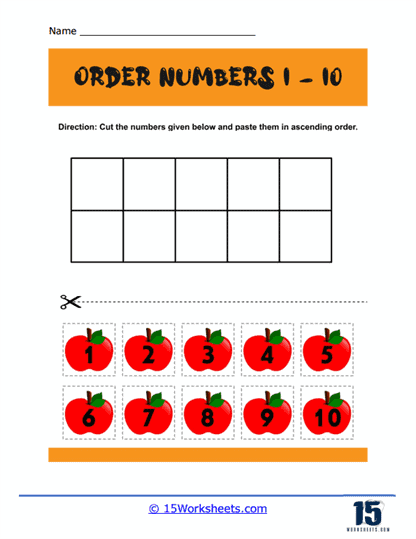
This fun worksheet frames number ordering with an apple theme-students arrange numbers in ascending order alongside apple imagery. It’s visually appealing and instantly relatable for little learners. The theme supports memory by connecting concept to context. Plus, who doesn’t love apples?
Proper Penguins
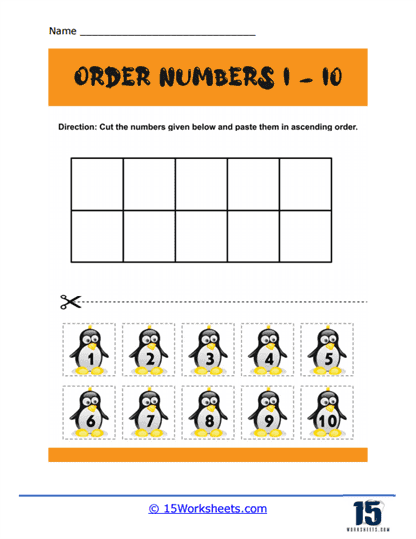
This one adds a friendly penguin theme to the task of ordering numbers. Students line up numbers as if organizing a waddle of penguins! The playful design creates a fun twist and makes sequencing feel alive. It’s creative practice that warms up number sense with charm.
Teddy Hearts
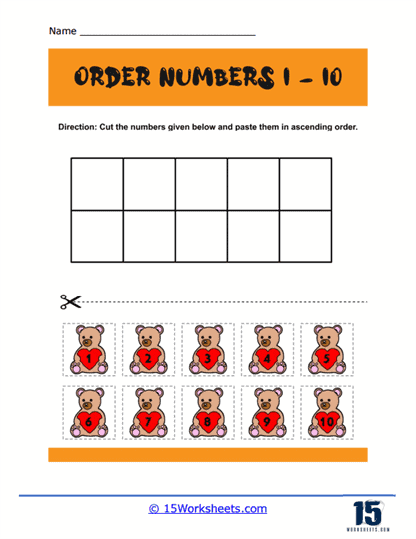
Here, the ordering of numbers is tied to a heart-shaped or teddy-themed motif-students arrange numbers with warm, fuzzy imagery. It’s cozy and comforting, ideal for younger children. The thematic element softens the math task into a caring, enjoyable activity. It helps make sequencing feel personal and comforting.
Banana Splits
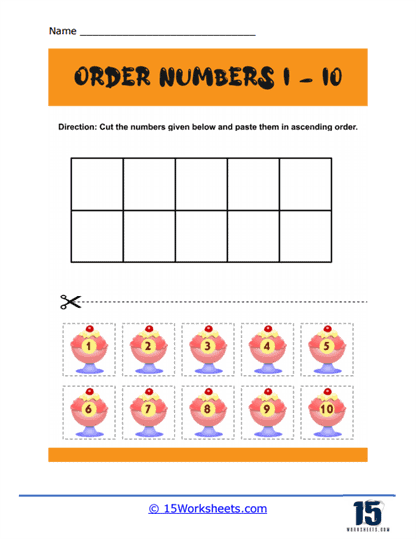
This worksheet incorporates a banana split or dessert theme while students practice ordering numbers. It’s a sweet twist-both literally and figuratively-on sequencing tasks. The fun, food-centered approach can spark motivation and delight. It’s a tasty way to build number sense.
What Is Ordering Numbers?
Ordering numbers is the process of arranging a given set of numbers in a specified sequence-usually either ascending (smallest to largest) or descending (largest to smallest). In mathematics and everyday life, understanding the correct order of numbers helps with tasks like counting, comparing values, sorting data, and understanding patterns. It’s also a core skill for operations like addition, subtraction, and understanding place value.
This concept matters because ordering builds number sense-an awareness of how numbers relate to each other. When students can easily tell which numbers are larger or smaller, they become more flexible thinkers in math, able to estimate, compare, and solve problems more confidently. It’s one of those foundational tricks that makes everything else easier.
These worksheets turn ordering into something kids do, not just something they memorize. By doing fun sequencing tasks-whether with apples, penguins, or heart motifs-students practice comparing, judging order, and recognizing patterns in context. By the end, ordering numbers won’t just be a concept; it’ll be something they can do with ease and enjoyment.