
Social Studies Worksheets
About Our Social Studies Worksheets
Social Studies is a subject that encompasses a wide range of disciplines, including history, geography, civics, economics, anthropology, sociology, and more. The main goal of these worksheets is to help students understand the world they live in, develop critical thinking skills, and become informed and responsible citizens.
These worksheets provide students with additional practice to reinforce concepts learned in class. They can cover topics like historical events, geographical features, government structures, economic principles, cultural practices, and social issues. You will find a wide array of topics available here. They play a crucial role in helping students develop a deeper understanding of history, society, and the world around them.
A Look At Each Worksheet Collection
13 Colonies
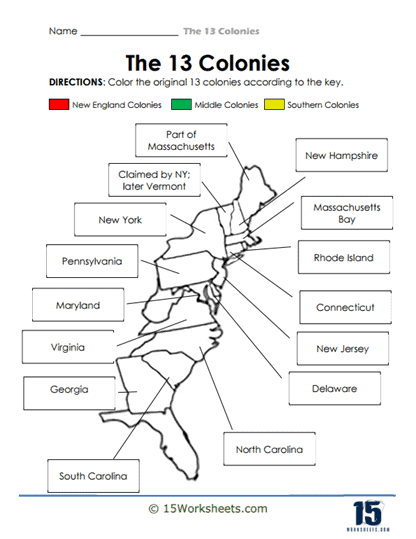
Students learn about the original 13 colonies, their locations, and how they were governed. The worksheet helps explain why the colonies were founded and what daily life looked like. Kids get to see how these early settlements shaped the foundation of the United States.
Abe Lincoln
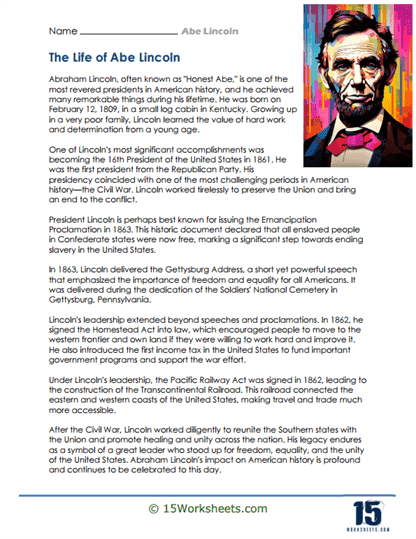
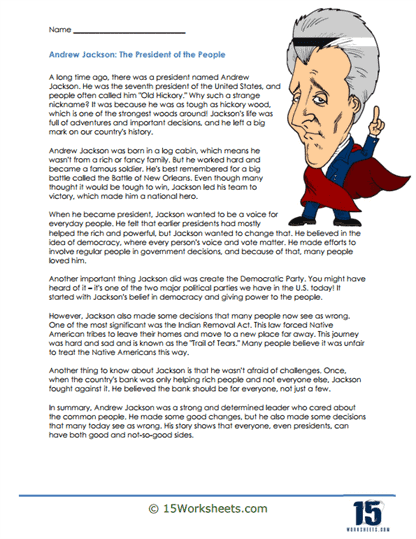
This worksheet introduces Abraham Lincoln’s life, presidency, and role in the Civil War. Students discover why he is remembered as one of the most important leaders in U.S. history. It also highlights his fight to end slavery and preserve the Union.
Africa
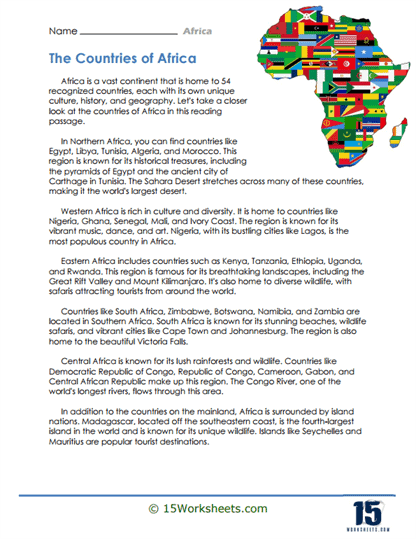
Learners explore the geography, culture, and history of Africa. The worksheet may include maps, important landmarks, and facts about the continent’s diversity. It helps students understand Africa’s global importance and contributions.
American Civil War
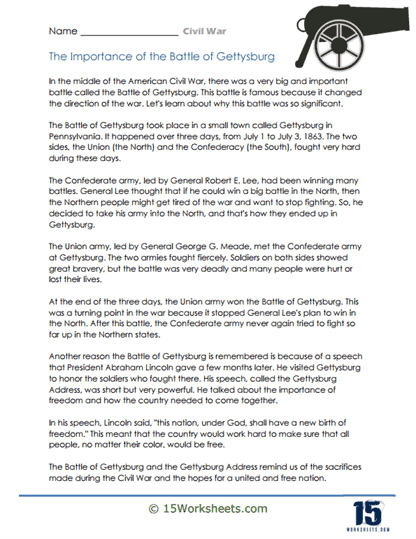
Students review the causes, major battles, and outcomes of the Civil War. The worksheet shows how the war divided the country and eventually led to freedom for enslaved people. It highlights key figures and turning points of this historic conflict.
American President
This worksheet covers the role of the U.S. president and what responsibilities come with the job. Students learn about powers like signing laws, leading the military, and representing the country. It’s a fun way to see what it takes to be a leader of a nation.
American Revolution
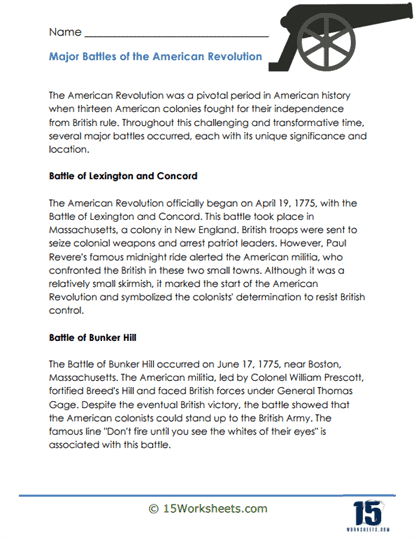
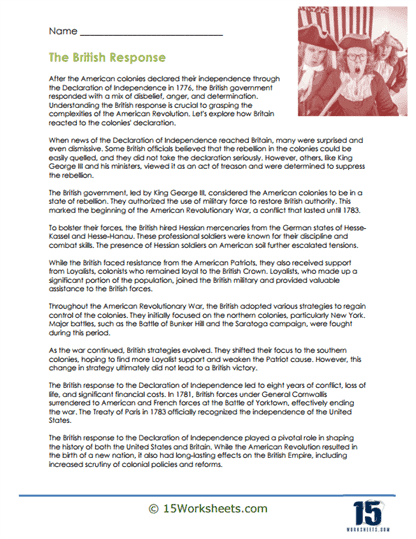
Students discover how colonists fought for independence from Great Britain. The worksheet highlights key events like the Boston Tea Party and the signing of the Declaration of Independence. It shows how ordinary people played a role in shaping America’s future.
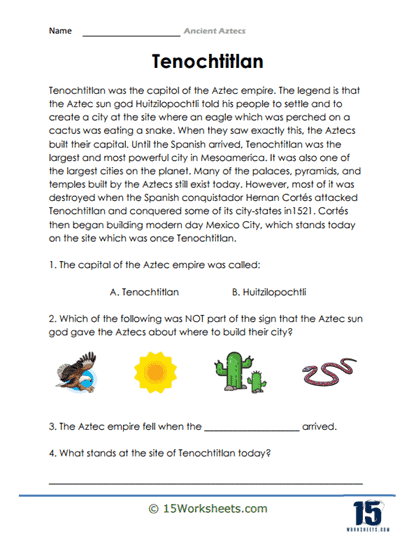
This civilization thrived in central Mexico between the 14th and 16th centuries. Their rich culture brought about many advances in agriculture, architecture, and art.
Dating back as far as 10,000 BC this civilization contributed significantly to progress of humankind and culture. Their achievements continue to inspire and influence people around the world today.
Ancient Egypt
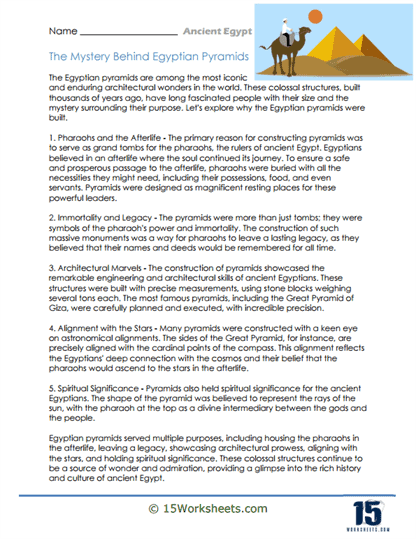
Students explore pyramids, pharaohs, and the Nile River. The worksheet shows how Ancient Egyptians built an advanced civilization with writing, art, and religion. Learners discover why Egypt is called the “gift of the Nile.”
Ancient Greece
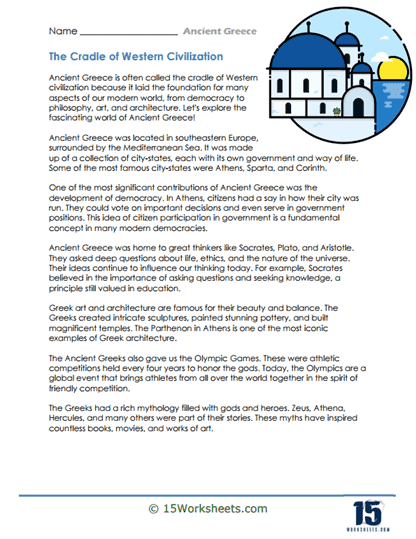
This worksheet highlights democracy, mythology, and philosophy from Ancient Greece. Students learn about famous thinkers, warriors, and everyday Greek life. It shows how Greek culture still shapes government, art, and sports today.
Ancient Incas
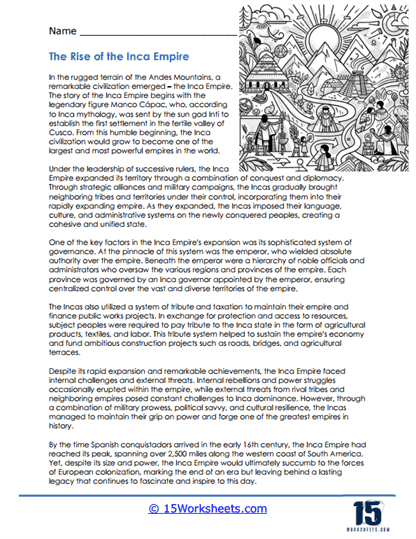
Learners explore the Inca Empire in South America. The worksheet covers their unique farming methods, road systems, and architecture. It helps students see how the Incas thrived in the Andes Mountains.
Ancient India
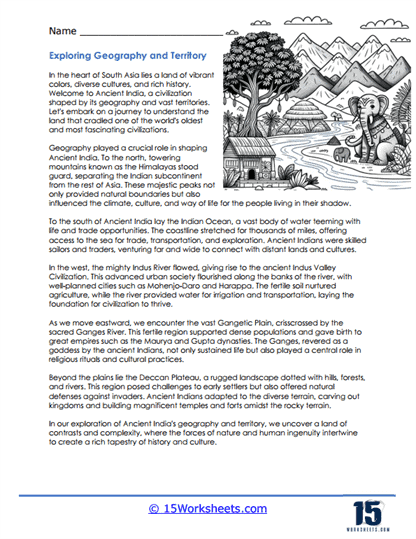
This worksheet covers early Indian civilizations, religions, and inventions. Students learn about Hinduism, Buddhism, and cultural contributions like math and literature. It connects ancient traditions to modern India.
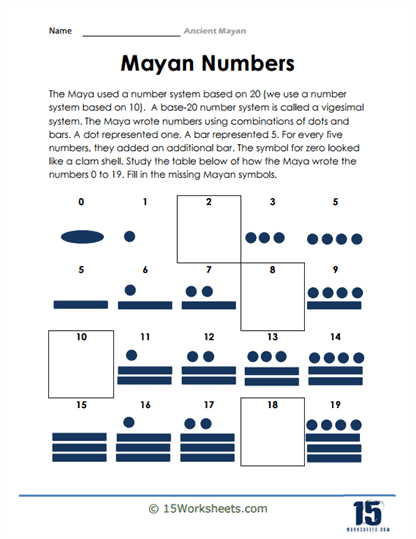
This civilization rose in prevalence around 250 AD, but dates back to 2000 BC. They were geographically located near modern southern Mexico through to Western Honduras.
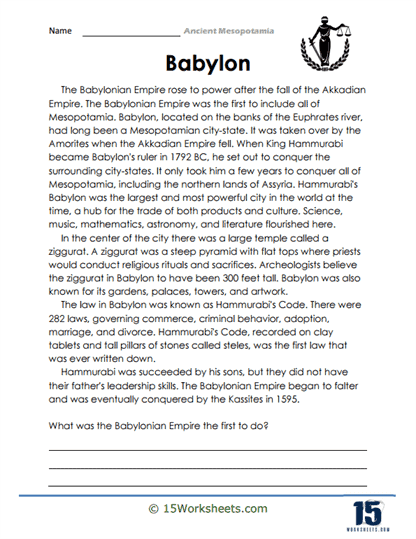
Referred to as the “Cradle of Civilization” as it became one of the earliest civilizations inside the international and the birthplace of many important cultural, political, and technological traits.
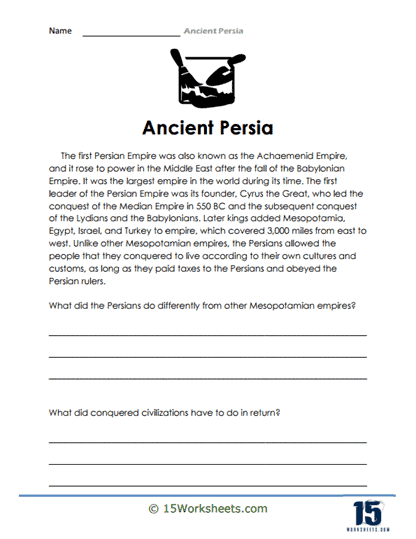
Dating back to 6th century BC this civilization was located in modern-day Iran until it was conquered by Alexander the Great.
Ancient Rome
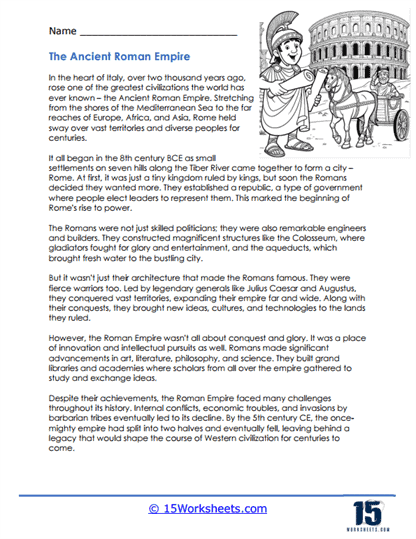
This worksheet explores Roman government, engineering, and culture. Students learn about gladiators, aqueducts, and the spread of the Roman Empire. It connects Rome’s influence to today’s language, law, and architecture.
This became a device of racial segregation and discrimination that became applied in South Africa by means of the national celebration government in 1948 and lasted until the early 1990s.
Articles of Confederation
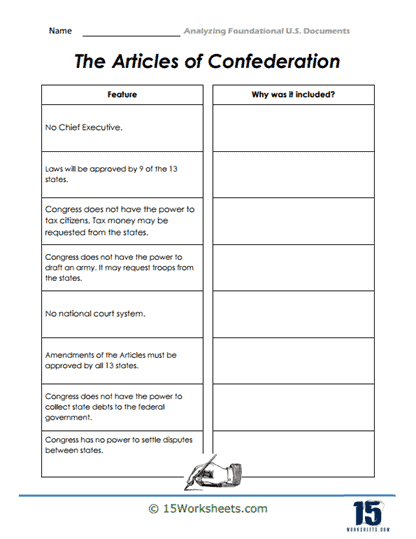
This worksheet explains America’s first government system after independence. Students see why the Articles were created and why they didn’t work well. It shows how they led to the U.S. Constitution.
Also known as Custer’s Last Stand, this was a major battler fought between US army and a coalition of native American tribes on June 25-26, 1876, in Montana Territory.
This was the largest battle fought by US Army forces during World War II. The battle was costly for all sides and is thought to have led to over 100,000 deaths.
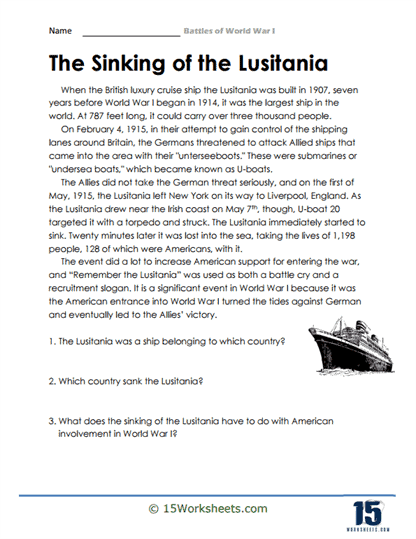
This conflict led to an estimated 8.5 million military deaths and 6.5 million civilian deaths, making it one of the deadliest conflicts in history.
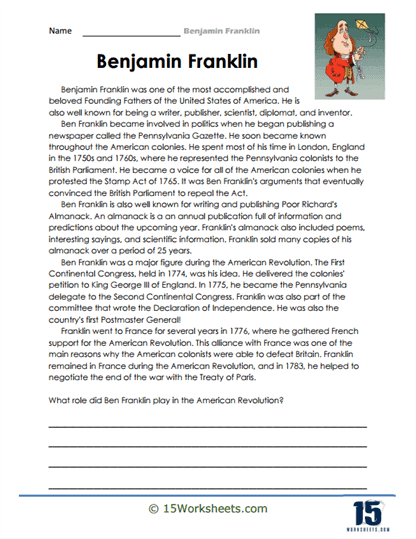
This Founding Father was a prolific renowned author, scientist, inventor, and diplomat.
This was a concrete barrier that divided Berlin, Germany, from 1961 to 1989. It was erected in an attempt to prevent East German citizens to defecting to the West.
Bill of Rights
Students learn about the first ten amendments to the Constitution. The worksheet explains freedoms like speech, religion, and fair trials. It shows why these rights are still important today.
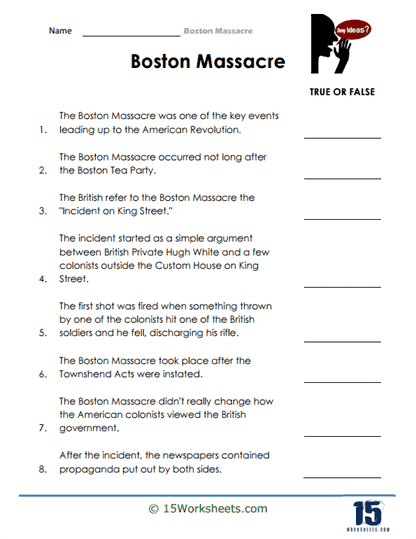
This event fueled anti-British sentiment across the American colonies and was thought to escalate the American Revolution.
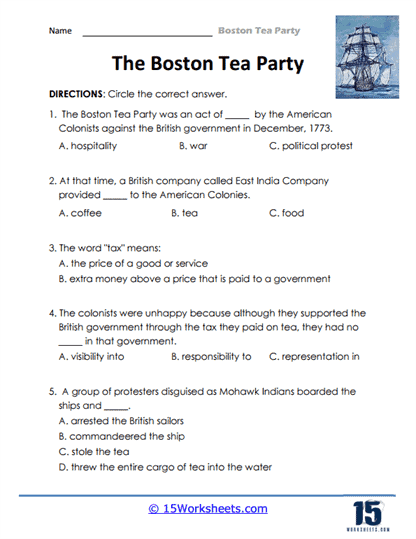
This protest was the result of American colonists, dressed as Native Americans, boarding three British ships in Boston Harbor and dumped hundreds of chests of tea into the water.
Branches of Government
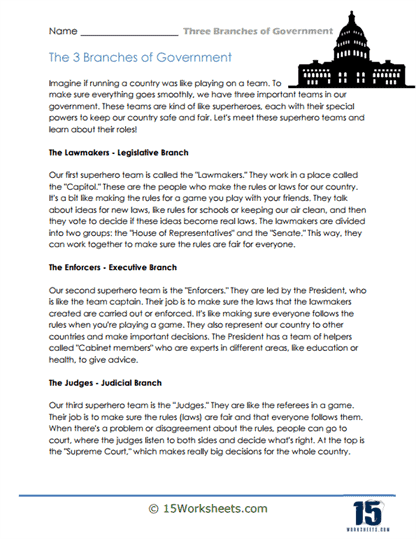
This worksheet introduces the legislative, executive, and judicial branches. Students learn how each branch works and balances the others. It helps explain why no one group has all the power.
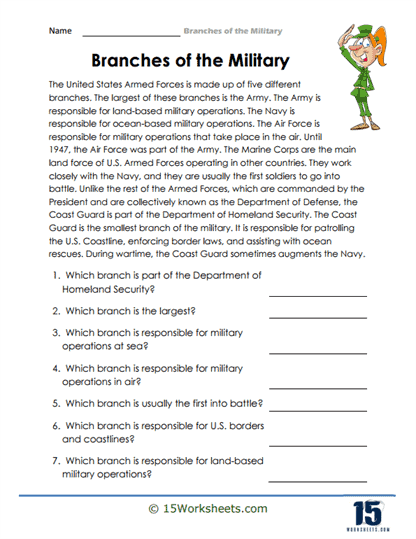
The United States Armed Forces consist of six branches: Army (ground), Navy (sea), Air Force (air), Marine Corps (amphibious assault), Coast Guard (protect shores), Space Force (space).
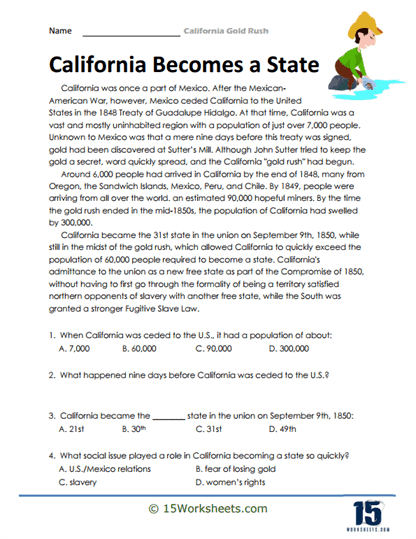
It brought about a fast growth within the population of California, with the state’s population growing from around 14,000 in 1848 to over 200,000 by the end of 1852.
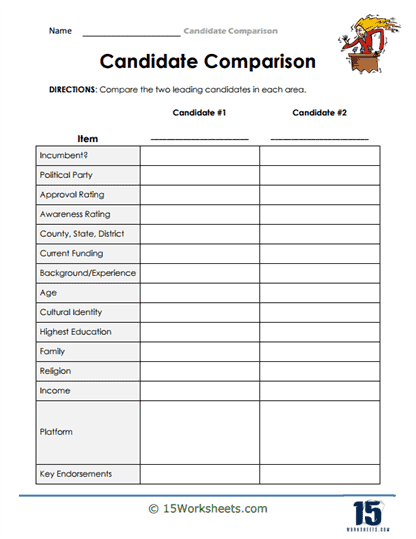
We show students that it important to consider their qualifications, experience, skills, and personal attributes to determine who is the best fit for the job.
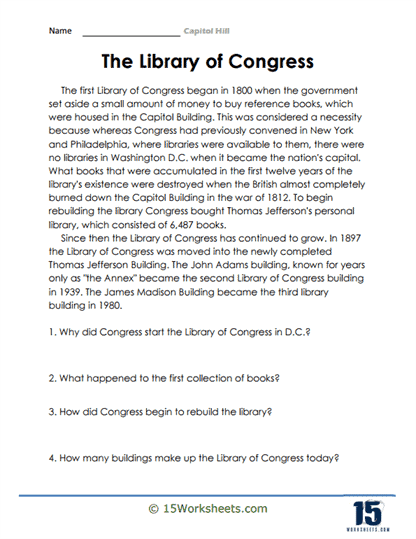
This area of Washington D.C. houses the Supreme Court, the Library of Congress, and the Senate and House office buildings.
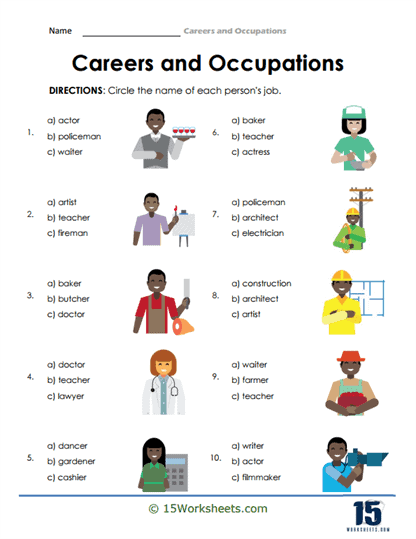
We help open up students minds to possible job options for them to consider in their future.
We look at the life of this American labor leader and civil rights activist who famously fought for the rights of farm workers.
Character Education
Students learn about traits like honesty, kindness, and responsibility. The worksheet provides scenarios to practice good decision-making. It helps build positive character in everyday life.
Checks and Balances
This worksheet explains how each branch of government limits the others. Students learn why this system prevents abuse of power. It connects directly to how democracy works.
Civil Rights
Students learn about the fight for equal rights in America. The worksheet covers leaders, protests, and major laws. It shows why civil rights remain important today.
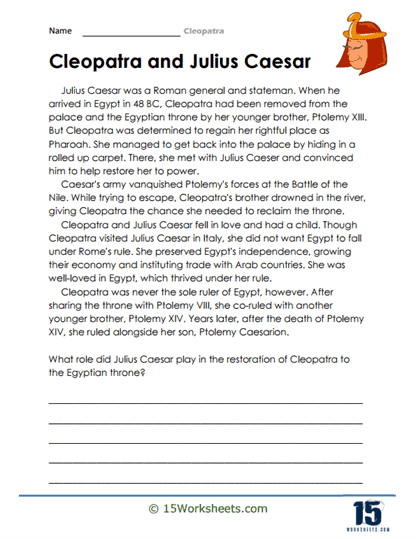
The queen of Ancient Egypt who is well known for her beauty and political skill. To this day she remains an iconic figure in history.
Columbian Exchange
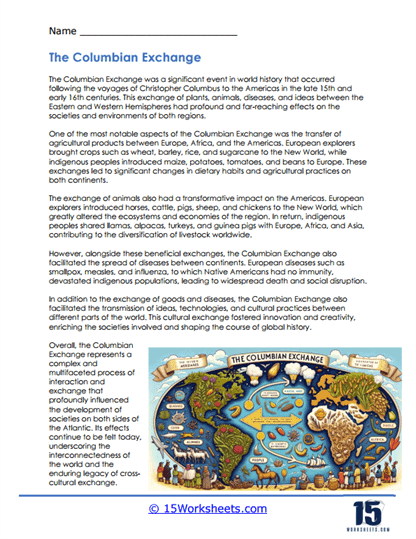
Students explore the exchange of goods, ideas, and diseases between the Old World and New World. The worksheet explains how this shaped global history. It shows both positive and negative effects.
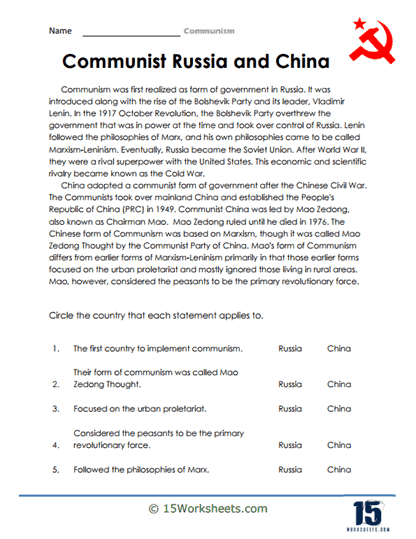
This is a political and financial ideology that seeks to establish a classless society where all assets and sources are owned and controlled via the community as a whole, instead of by individual people or organizations.
Constitutional Amendments
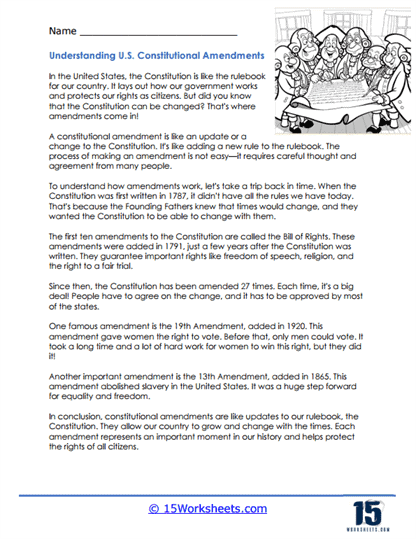
Students study changes added to the U.S. Constitution. The worksheet explains why amendments are made and gives examples. It helps learners see how laws adapt over time.
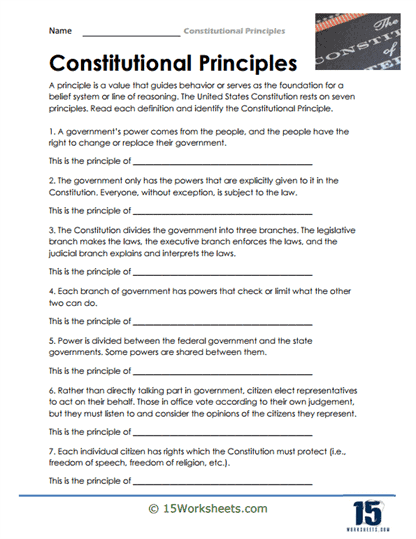
We look at the powers granted to citizens by the formation of such a unique structure. These principles establish the foundation that has led to limited government powers and empowering citizens.
Continents
Learners explore the seven continents of the world. The worksheet may include maps, geography facts, and cultural highlights. It helps students see how the world is divided and connected.
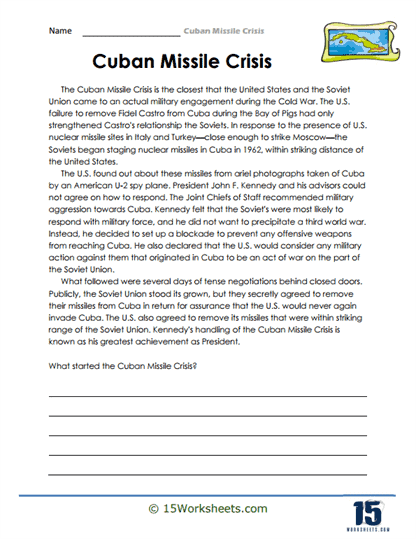
This 1962 political and military standoff erupted when it was found that the Soviet Union installed nuclear missile sites in Cuba. This was one of the tensest times in America’s history.
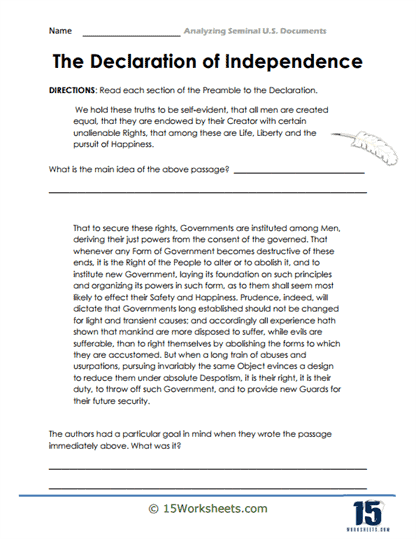
Declaration of Independence
Students explore the document that declared America’s freedom from Britain. The worksheet explains its key ideas and famous lines. It highlights why it remains an important symbol of liberty.
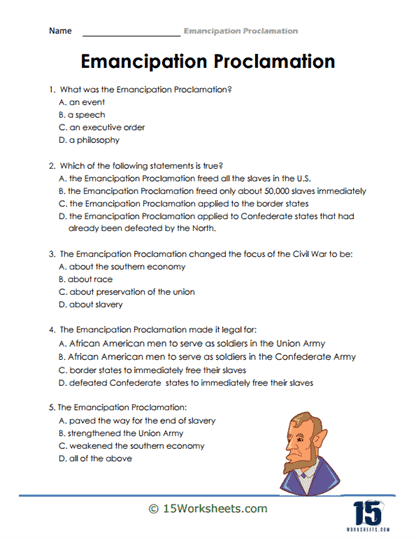
This was an executive order issued by President Abraham Lincoln in an effort to free slaves and is thought to be a key turning point in the Civil War.
While these may be seen as historic documents, they still have a critical role defining the rights of the United States government and the citizens that reside within it.
French and Indian War
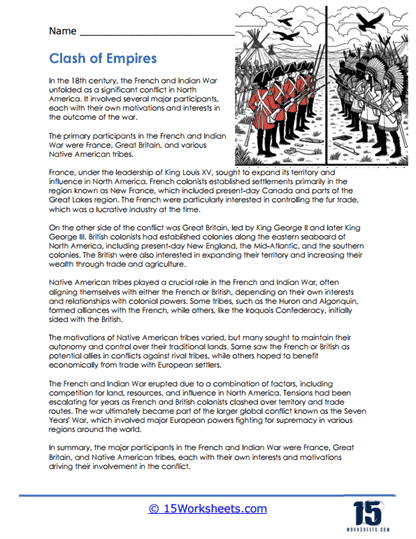
This worksheet covers the conflict between Britain, France, and Native Americans. Students learn why the war started and how it led to the American Revolution. It shows the global reach of colonial conflicts.
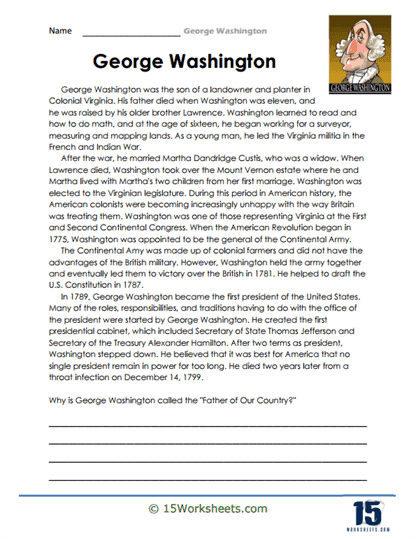
This prominent American military leader led the American colonists to victory during the American revolution. In 1789 he served as the first President of the United States.
Goods and Services
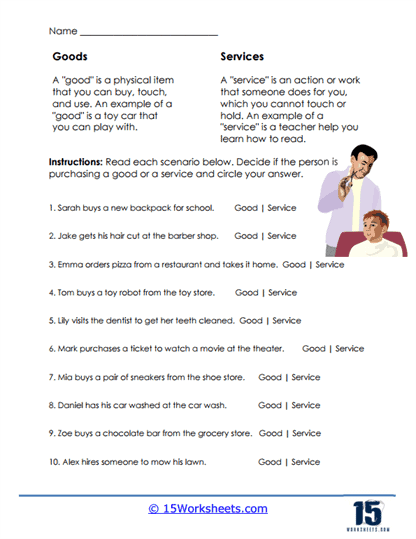
This worksheet introduces basic economic concepts. Students learn the difference between goods and services. It helps kids understand how economies work.
Great Depression
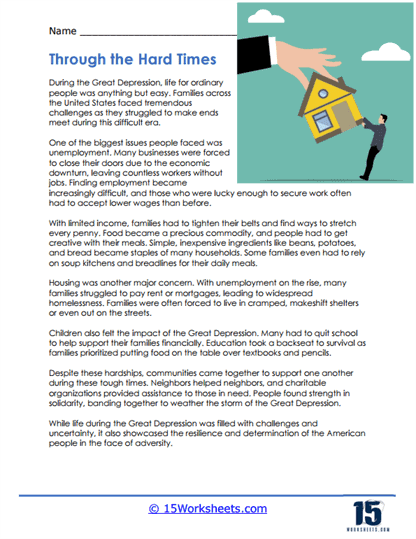
Students learn about the economic crash of the 1930s. The worksheet covers causes, effects, and government responses. It shows how the Depression changed American society.
Holocaust
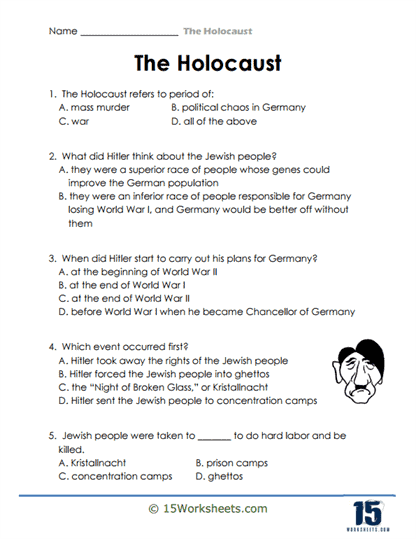
This worksheet explains the tragic events of the Holocaust during World War II. Students learn about the victims, survivors, and lessons of history. It emphasizes the importance of remembering and preventing hate.
How a Bill Becomes a Law
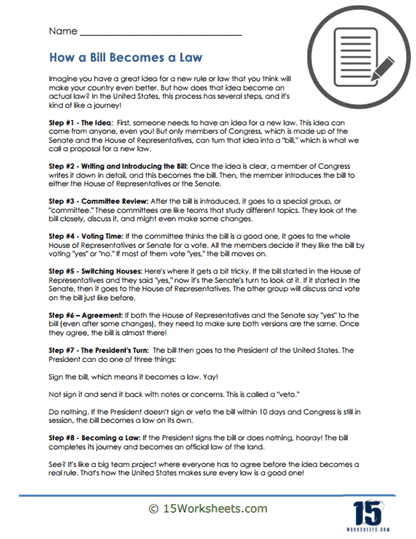
Students learn the steps a bill takes before becoming a law. The worksheet simplifies the process from idea to signature. It helps kids see how democracy functions in action.
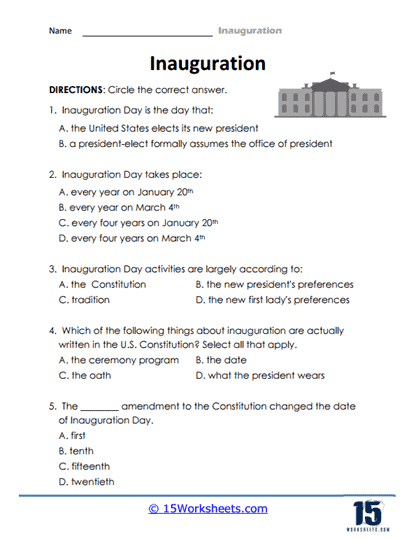
This is the day on which the President of the United States is official sworn in. It occurs on January 20th every 4 years.
Industrial Revolution
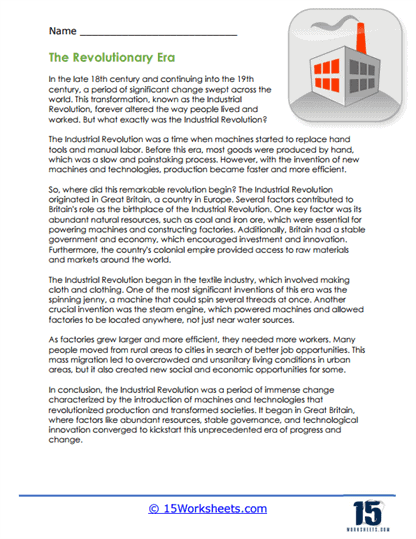
Students explore how machines and factories changed work and life. The worksheet covers inventions, urbanization, and social effects. It highlights how this era transformed the modern world.
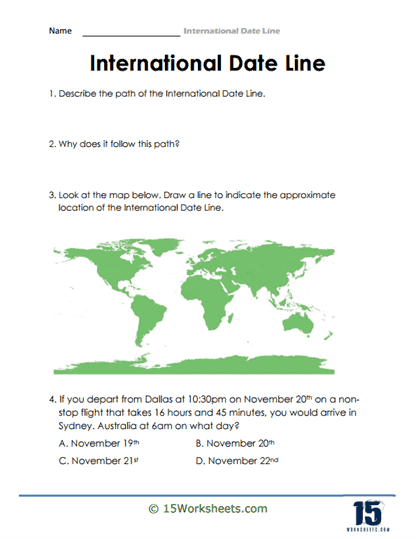
Establish in the late 19th century this established a way to standardize time keeping. This imaginary line that runs more or less from the North Pole to the South Pole and is positioned in the Pacific Ocean.
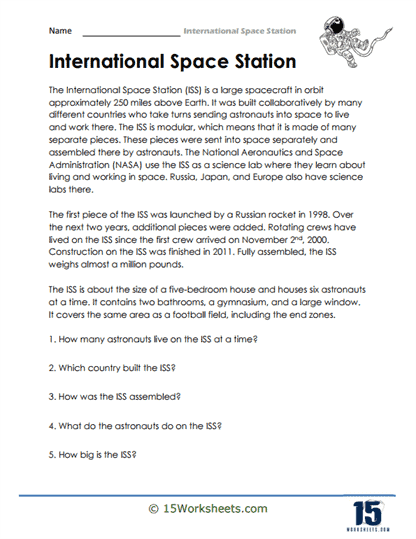
Launched in 1998 this football field sized craft serves as habitable satellite that orbits Earth. It was the collaboration of Canada, Europe, Japan, Russia, and the United States.
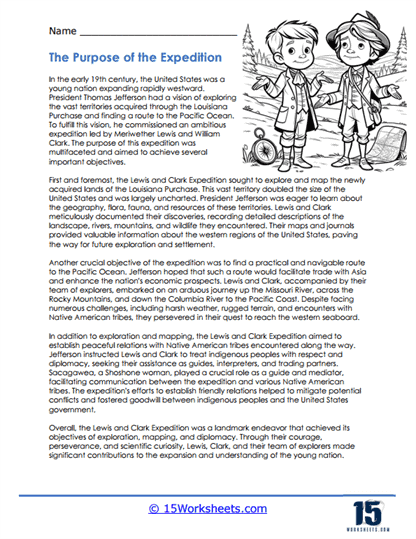
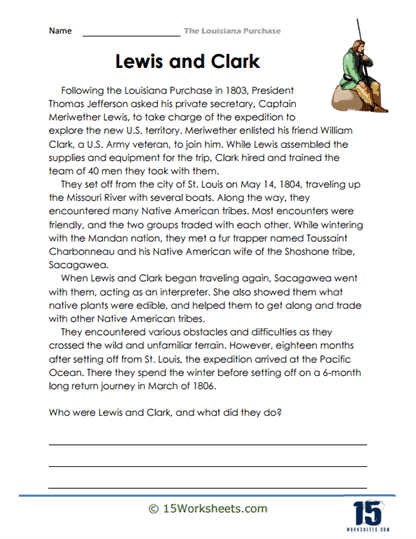
Lewis and Clark
This worksheet covers the famous expedition across America. Students learn about exploration, maps, and Native American encounters. It highlights how Lewis and Clark opened the West.
This land deal between France and the US resulted in just under a million square miles of land found west of the Mississippi river.
This landmark document began to establish the concept of individual rights and the rule of law.
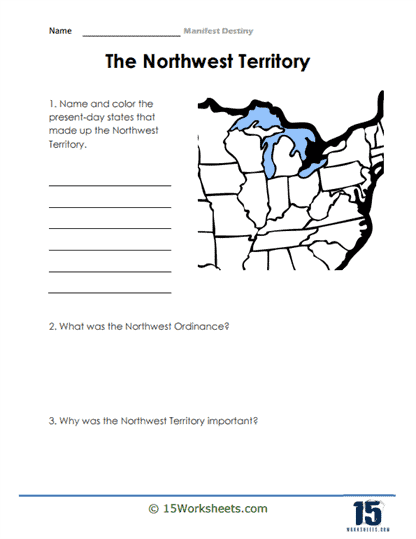
This was a mantra shared by 19th century Americans that it was somewhat of their duty to continue to expand west.
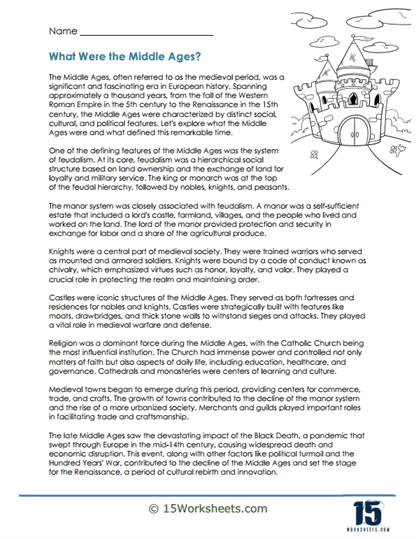
Middle Ages
This worksheet covers life in medieval Europe. Students learn about castles, knights, and feudal systems. It helps them understand a fascinating historical period.
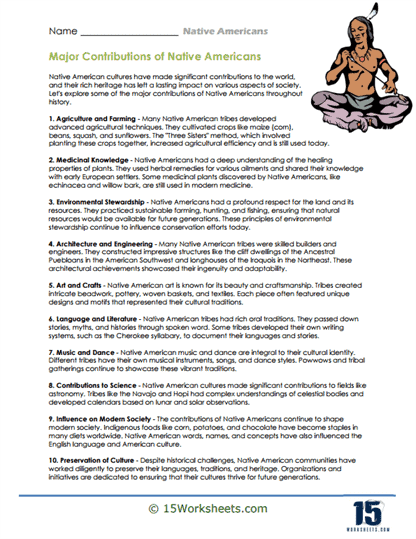
Native Americans
Students learn about Native American cultures and history. The worksheet highlights traditions, survival skills, and contributions. It emphasizes respect and understanding of Indigenous peoples.
Oceans
This worksheet introduces the five oceans of the world. Students learn their names, locations, and importance. It connects geography to Earth’s ecosystems.
This is the act of promoting and defending a particular issue in the public area. It is focused on building awareness and growing support to help influence policy decisions that effect citizens.
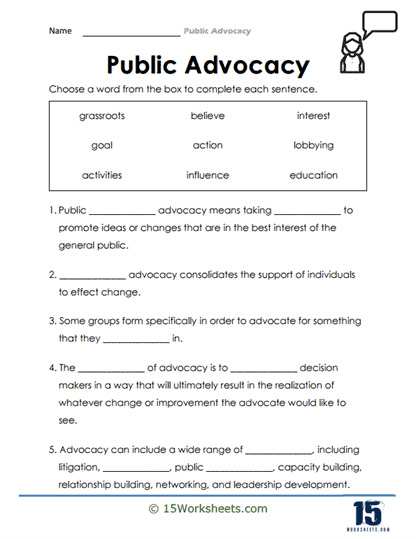
Public Advocacy
Students explore how people can speak up for change. The worksheet shows examples of protests, petitions, and campaigns. It encourages kids to think about issues they care about.
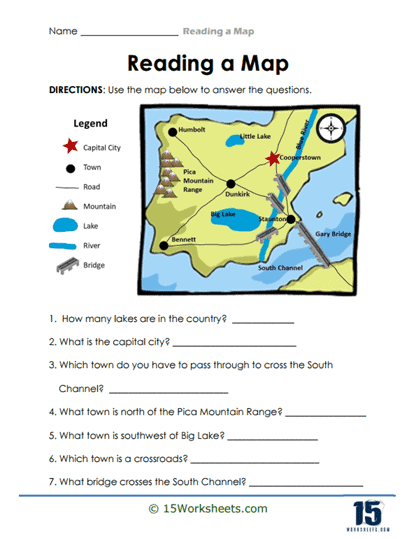
Reading a Map
Learners practice using keys, symbols, and directions. The worksheet makes maps easier to understand. It builds geography and navigation skills.
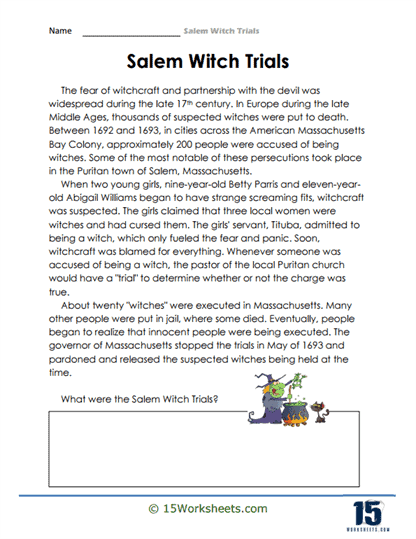
This was a series of hearings and prosecutions of people accused of witchcraft in colonial Massachusetts in 1692. It resulted in the death of 20 people.
These are the most influential and significant policies on the books that have shaped American history and the rules of government.
Seminal U.S. Documents
Students study the most important documents in U.S. history. The worksheet explains their ideas and influence. It helps learners see how documents shaped democracy.
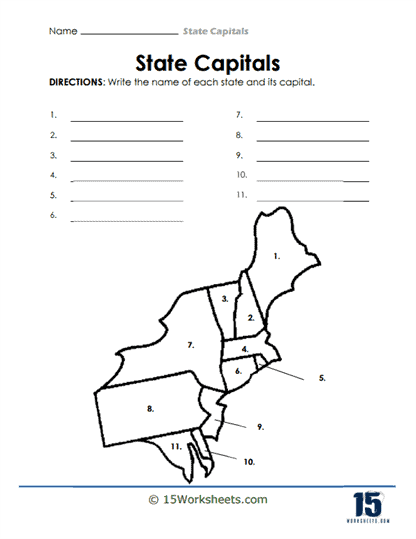
State Capitals
This worksheet teaches U.S. states and their capitals. Students practice memorization and map skills. It helps kids master geography basics.
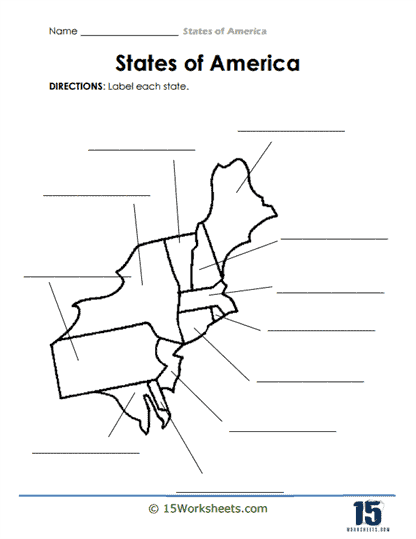
States of America
Learners study the 50 states and their features. The worksheet may include maps, symbols, and fun facts. It builds U.S. geography knowledge.
Supply and Demand
This worksheet introduces the economic principle of supply and demand. Students see how prices change with availability. It connects math to real-world economics.
U.S. Constitution
Students learn about the nation’s governing document. The worksheet explains its parts and purpose. It shows why the Constitution is the backbone of U.S. law.
Westward Expansion
This worksheet explores America’s move west in the 1800s. Students learn about pioneers, trails, and challenges. It shows how expansion shaped the country.
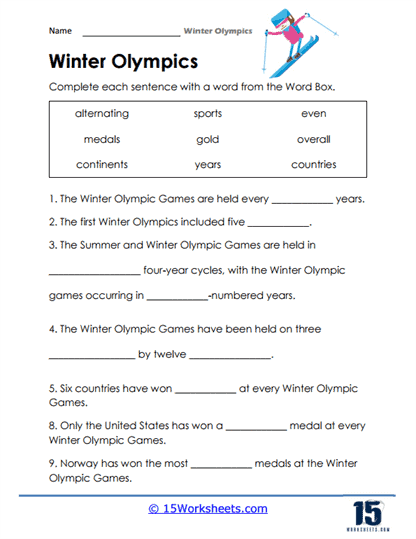
This 100-year-old+ series of multi-sport events takes place every 4 years. The goal is to promote goodwill and cultural understandings between nations.
World Explorers
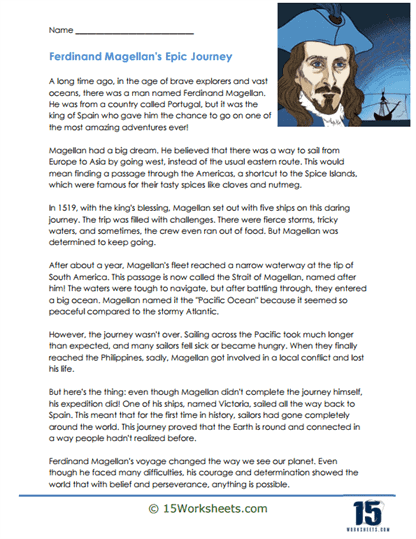
This worksheet introduces famous explorers like Columbus, Magellan, and Marco Polo. Students learn about their journeys and discoveries. It shows how exploration changed the world.
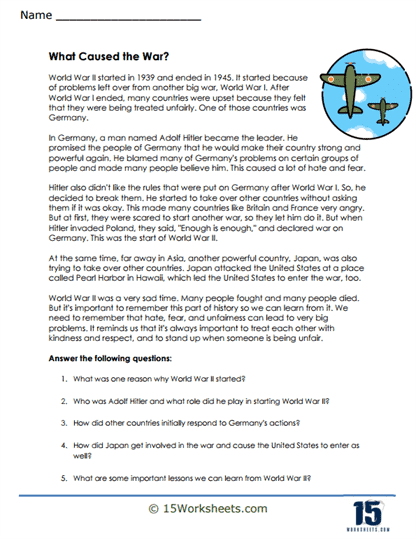
This was a global conflict that took place from 1939 to 1945. It was the deadliest and most widespread war in history, involving the majority of the world’s nations, including all of the great powers, eventually forming two opposing military alliances: the Allies and the Axis.