
Friendship Day Worksheets
All About These 15 Worksheets
This cheerful collection of Friendship Day worksheets helps students explore what it truly means to be a good friend. From writing about best buddies to designing “recipes” for kindness, every page encourages empathy, gratitude, and emotional growth. These activities mix literacy, art, and social skills so learning about friendship feels both fun and meaningful. It’s the perfect blend of academics and heart!
Each worksheet has a purpose beyond just filling in the blanks-it gets students thinking, writing, and sharing from the heart. Younger learners can color, trace, or use sentence starters, while older ones dive into reflective writing and creative poetry. The exercises build vocabulary around positive character traits, helping kids learn how to express appreciation and kindness clearly. Teachers and parents will love how these lessons foster teamwork, communication, and a sense of community in the classroom.
Whether you’re celebrating Friendship Day in July or just reinforcing social-emotional learning any time of year, these worksheets are a great fit. They remind students that friendship is about honesty, support, and shared laughter-not just special occasions. Each activity helps nurture compassionate, confident learners who understand that being a good friend is one of life’s most important lessons.
Have a Look Inside Each Worksheet
What is Friendship Day All About?
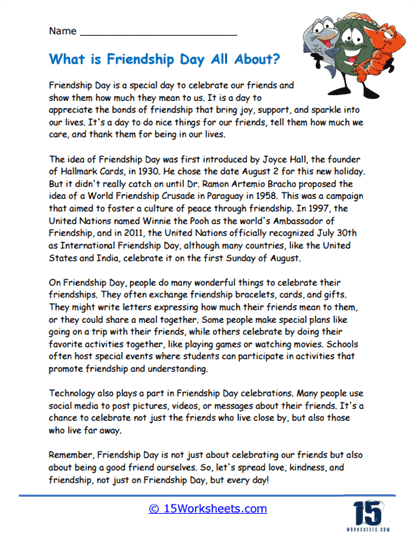
Students discover the history and meaning behind Friendship Day in this engaging reading activity. The worksheet explains how people around the world celebrate and value friendship. After reading, learners answer questions or reflect on what friendship means to them. It’s a warm and welcoming way to start learning about kindness and connection.
Friend Or Not?
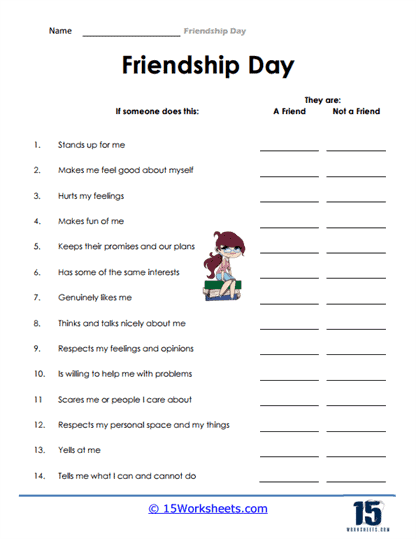
This worksheet helps students think critically about the traits of a good friend. They’ll read short scenarios or descriptions and decide whether the behavior shows true friendship. It builds social-emotional awareness and decision-making skills. Plus, it sparks great class discussions about respect and empathy.
Word Reinforcement
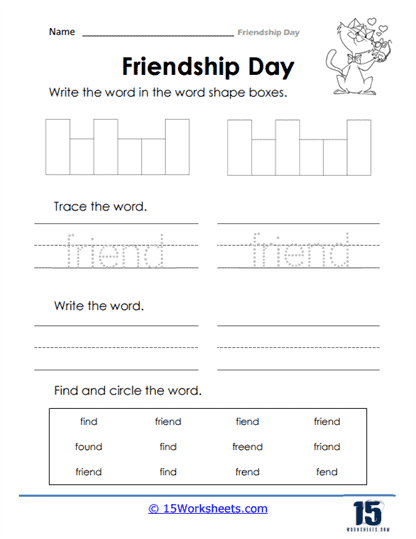
Learners strengthen their vocabulary with words related to friendship-like trust, loyalty, and compassion. This activity may include matching, fill-in-the-blank, or word-definition exercises. It boosts reading comprehension while teaching meaningful social language. The result is a stronger vocabulary and a deeper understanding of what makes friendships thrive.
Coloring, Writing, Drawing!
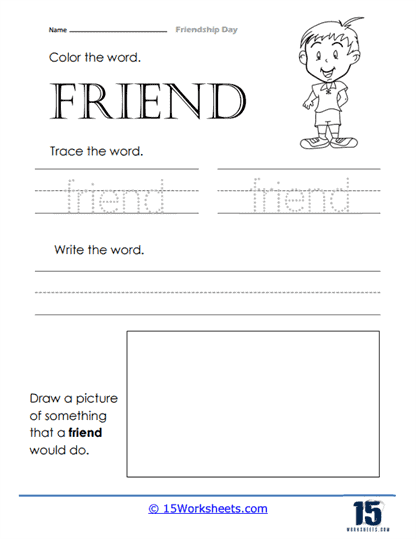
This hands-on worksheet invites students to color cheerful friendship scenes and write short captions or sentences. It supports early literacy and fine motor skills while encouraging creativity. The combination of art and writing keeps young learners engaged. It’s a colorful way to celebrate Friendship Day in any classroom.
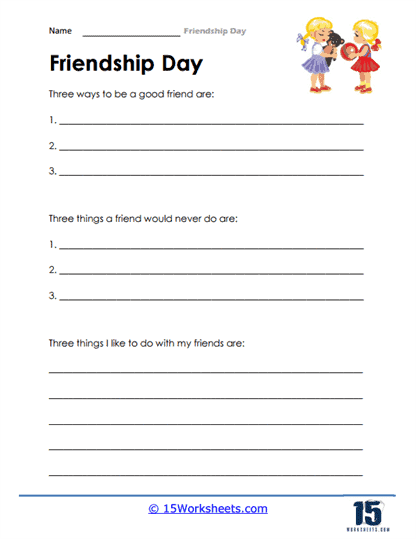
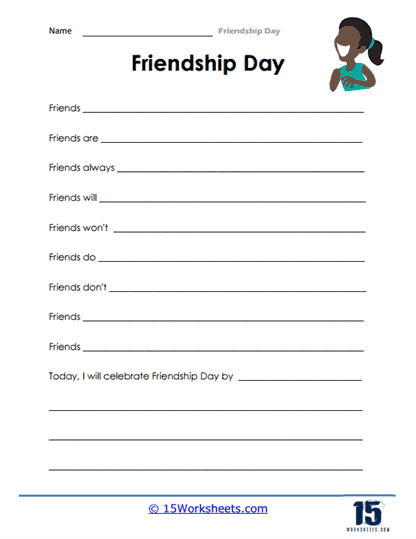
Always And Never
Students complete sentences that show what good friends “always” and “never” do. It’s a great way to help children practice positive behavior patterns through language. The worksheet promotes kindness, empathy, and responsible decision-making. By the end, students have a clearer picture of how to be a supportive friend.
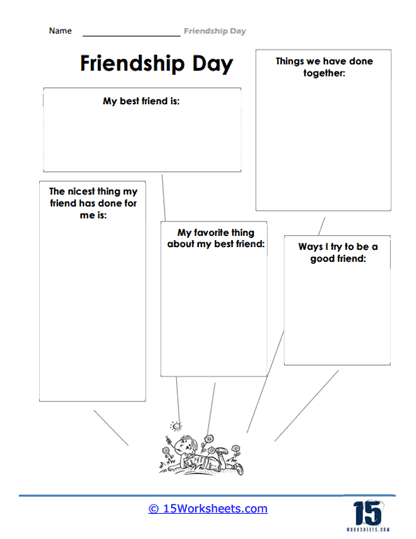
A Concept Map
This graphic organizer helps students visually explore the idea of friendship. They’ll brainstorm qualities, examples, and actions that connect to being a good friend. It strengthens critical thinking and vocabulary organization. The activity turns abstract ideas into a fun, visual learning tool.
The Most Important Qualities
Learners rank or list the top qualities they think every good friend should have. They reflect on ideas like honesty, caring, and reliability. This worksheet builds emotional intelligence and self-awareness. It encourages students to think deeply about what friendship truly means.
My Friends And I
Students write about their own friendships, describing fun activities, shared memories, and what makes those relationships special. This worksheet develops descriptive writing skills and emotional vocabulary. It helps students express gratitude and connection through storytelling. Perfect for a heartwarming Friendship Day journal entry.
Three Things
This short reflection activity asks students to list three things they like most about their friends-or three ways they can be a better friend. It encourages concise writing and self-reflection. The simple structure makes it perfect for morning work or a closing lesson. Big lessons in kindness come from these small but meaningful lists!
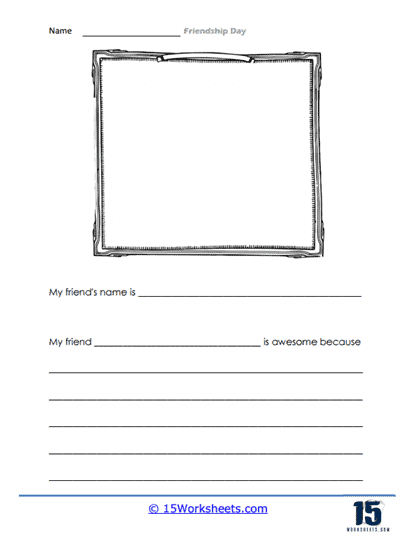
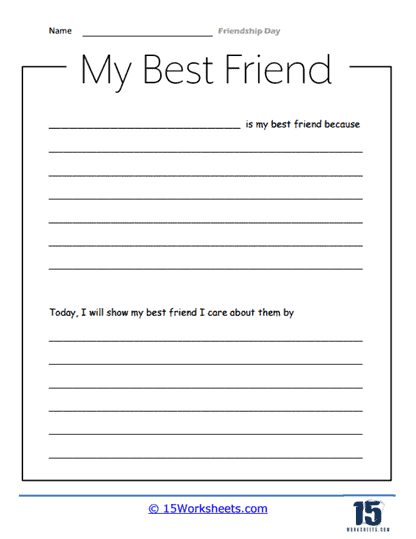
My Bestfriend
Students write or draw about their best friend, describing what makes that person unique. The worksheet promotes sentence building, descriptive writing, and emotional awareness. It’s a sweet and personal way for kids to celebrate their closest friendships. Teachers can even collect the pages to make a “Friendship Book” for the class.
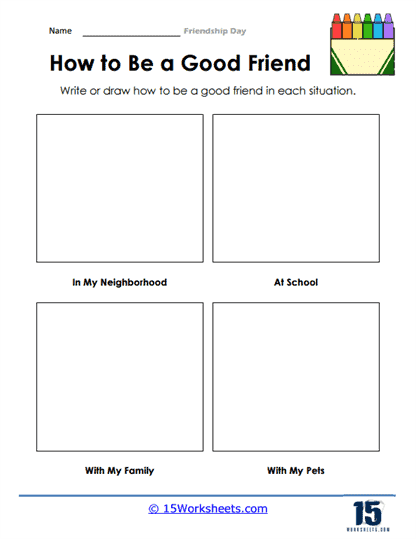
How To Be A Good Friend
This worksheet outlines the steps and actions that help maintain healthy friendships. Students might fill in blanks, write short essays, or match behaviors to good-friend qualities. It reinforces social-emotional learning and moral reasoning. By the end, kids can proudly explain what it means to be a true friend.
Show And Tell
Students bring their favorite item that reminds them of a friend and describe it in writing. The worksheet encourages storytelling, speaking, and listening skills. It’s a wonderful way to connect language arts with social development. Every “show and tell” moment becomes a little celebration of friendship.
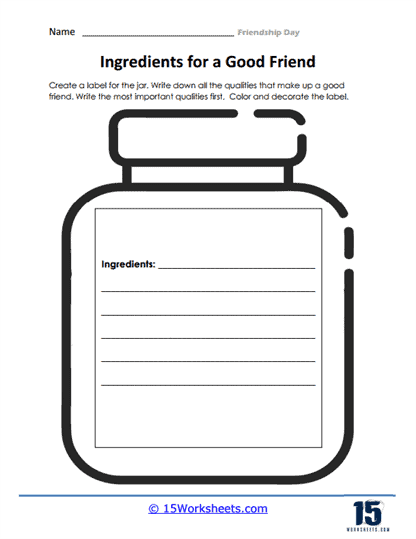
Listing The Ingredients
Learners imagine friendship as a recipe and list the “ingredients” needed-like “a cup of kindness” or “a spoonful of honesty.” It’s a playful way to combine creativity with writing and metaphor skills. The results are often both funny and heartwarming. This worksheet turns emotional learning into imaginative fun.
How I Show I Care
This writing prompt helps students think about actions they can take to show they care for their friends. It builds empathy, reflection, and writing fluency. The worksheet can be used for journaling or as part of a class discussion on friendship. It encourages kindness through simple, everyday actions.
Sentence Frames Completion
Younger learners use sentence starters like “My friend helps me when…” or “I feel happy when…” to complete thoughts about friendship. This activity strengthens sentence construction and emotional expression. It’s ideal for early writers who are learning to communicate feelings clearly. Valentine or Friendship Day themes make it even more fun!
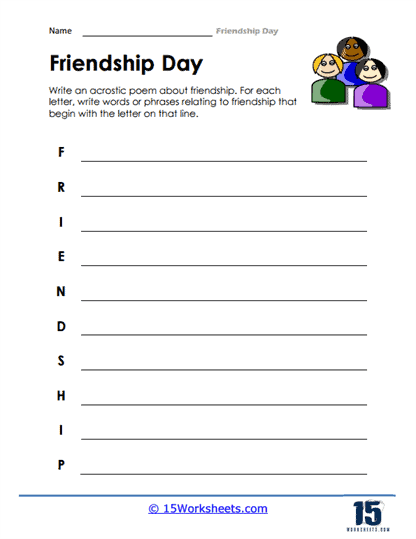
An Acrostic Poem
Students write a creative acrostic poem using the word “FRIEND” (or a classmate’s name). It promotes vocabulary development, poetry structure, and self-expression. Learners explore positive qualities while having fun with words. It’s a perfect combination of literacy and love for friends.
What is Friendship Day?
Friendship Day is a special day celebrated in various countries around the world to honor and appreciate the bond of friendship between individuals. The celebration involves exchanging gifts, cards, and messages of love and gratitude between friends. The aim of Friendship Day is to acknowledge the role of friends in our lives, strengthen friendships, and foster a sense of camaraderie and support.
Although the exact origin of Friendship Day is unclear, it is widely believed that the concept was first proposed by Dr. Ramon Artemio Bracho in 1958 in Paraguay. Dr. Bracho, along with a group of friends, created the World Friendship Crusade, which was an international civil organization that aimed to foster a culture of friendship across the globe. The organization lobbied for an official day to celebrate friendship, and in 2011, the United Nations General Assembly declared July 30th as International Friendship Day. However, the date of celebration varies in different countries, with some nations, like the United States and India, observing Friendship Day on the first Sunday of August.
Friendship Day celebrations may include spending time together, sharing meals, participating in activities or games, and expressing gratitude and appreciation for the support and companionship friends provide. The day serves as a reminder to cherish the connections we have with our friends and to nurture these relationships throughout the year.