
Old Word Family Worksheets






About These 15 Worksheets
The old word family helps students recognize a familiar spelling pattern that appears in many everyday words. Learning this pattern supports smoother decoding and helps readers feel more confident when encountering new words in print. This worksheet collection uses pictures, sorting, matching, writing, and puzzles to clearly highlight how the ending works. The activities are designed to keep practice meaningful, engaging, and accessible for early learners.
Across the collection, students move from simple recognition to more independent reading and writing. Repeated exposure to the same spelling pattern allows learners to focus less on decoding and more on understanding meaning. Visual supports, tracing lines, and structured practice help reinforce accuracy and fluency. Each worksheet offers a slightly different way to practice while reinforcing the same core phonics skill.
These worksheets are easy to use in classrooms, literacy centers, small groups, or at home. Teachers can select activities to match lesson goals, while parents can support learning with minimal preparation. The variety of formats supports different learning styles and ability levels. Together, the collection helps students build strong phonics foundations through consistent practice.
About Each Worksheet
Visual Sorting Fun
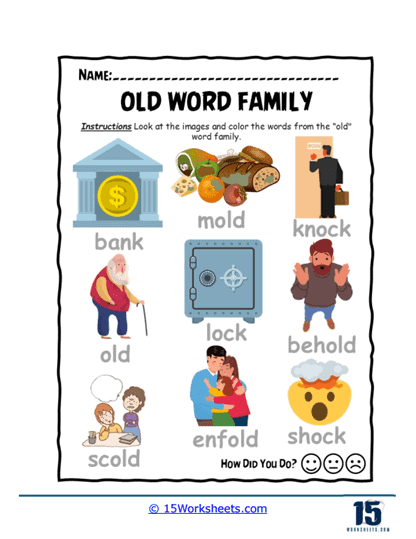
This worksheet asks students to look at pictures and color only the correct written choices. Learners compare correct and incorrect options using visual clues. The activity emphasizes careful observation and sound discrimination. Students actively engage with both images and text. It works well for independent or center-based practice.
See and Sort
Students examine a new set of pictures and written choices to determine which ones belong together. Each image provides helpful context for confirming selections. The worksheet reinforces sound-spelling relationships through repetition. Learners strengthen decoding and visual connections. It encourages accuracy and focused work habits.
Matching Partners
In this worksheet, students match written items to the correct pictures. Learners carefully compare each option with its visual representation. Each successful match reinforces meaning and recognition. The structured layout supports organized thinking. It builds confidence with independent literacy tasks.
Image Match-Up
Students read and connect written items to the correct images. Each image supports understanding of meaning. Learners verify each match before moving on. The worksheet blends reading and visual reasoning. It supports accuracy and early comprehension skills.
Write It Out
Students look at each picture and write the matching spelling on tracing lines. Visual cues help learners recall letter patterns. Each written response reinforces consistent structure. Tracing supports handwriting control. The activity combines reading and writing practice.
Picture Word Writing
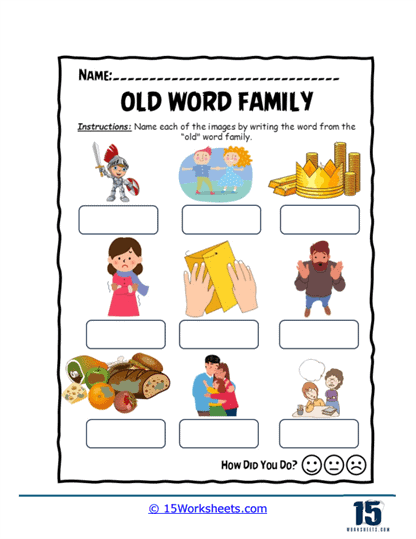
This worksheet asks students to label pictures by writing the correct spelling below each image. No word bank is provided, encouraging independent recall. Learners focus on neat handwriting and accuracy. Each picture reinforces meaning. It supports reading-to-writing transfer skills.
Build with Pieces
Students cut out images and paste them into labeled boxes. Each image must be carefully analyzed before placement. The hands-on format increases engagement. Learners confirm correct matches as they work. It supports categorization and reasoning skills.
Word Builder Challenge
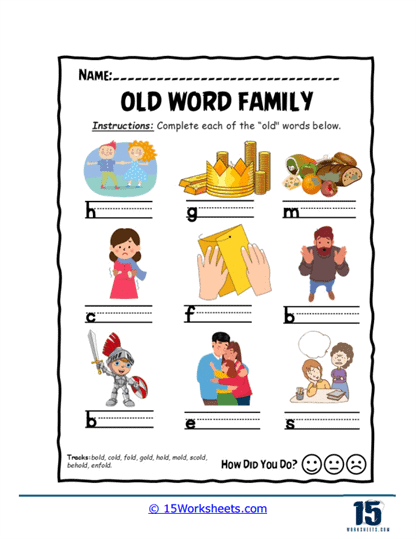
Students complete partially written spellings using picture clues and beginning letters. Each image guides learners toward the correct structure. The worksheet emphasizes blending sounds accurately. Students fill in each item carefully. It supports decoding readiness.
Writing Warm-Up
Students write selected spellings on lined spaces next to matching pictures. Each image acts as a prompt. The activity emphasizes neat handwriting and repetition. Learners practice independently. It builds writing stamina and confidence.
Word Skills Practice
This worksheet provides additional writing practice using pictures as guides. Students focus on accuracy and completeness. Each item is written multiple times. The structured format supports mastery. It prepares learners for more advanced literacy tasks.
Word Finder
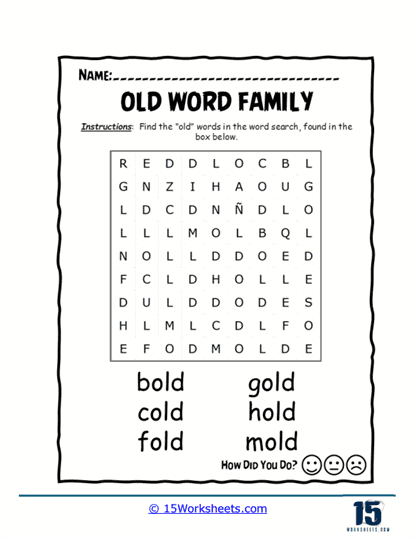
This worksheet features a word search with familiar spellings hidden in a grid. Students scan carefully to locate each one listed. The activity reinforces attention to letter order. Learners confirm spelling as they search. It keeps practice engaging.
Search Plus
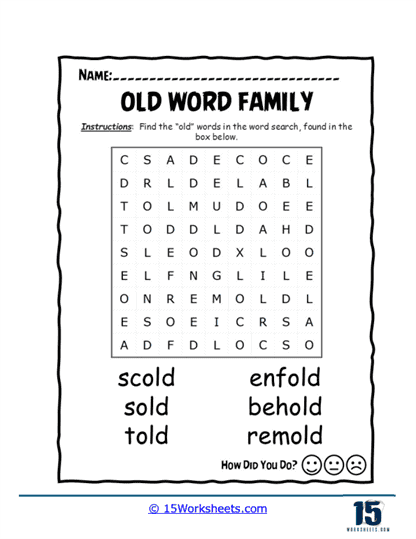
Students complete a second word search with an expanded set of spellings. Each one must be found accurately. The worksheet increases challenge with longer forms. Learners verify spelling carefully. It strengthens decoding and pattern recognition.
Search Level Up
This worksheet introduces more complex spellings hidden in a word search. Students locate each item and compare it to the list provided. The added challenge supports higher-level practice. Learners remain engaged through purposeful searching. It prepares students for advanced word study.
Label It
Students write the correct spelling in the blank under each image. No word bank is included, encouraging recall from memory. The worksheet connects visual meaning with writing. Learners complete each label carefully. It builds spelling confidence.
Trace Review
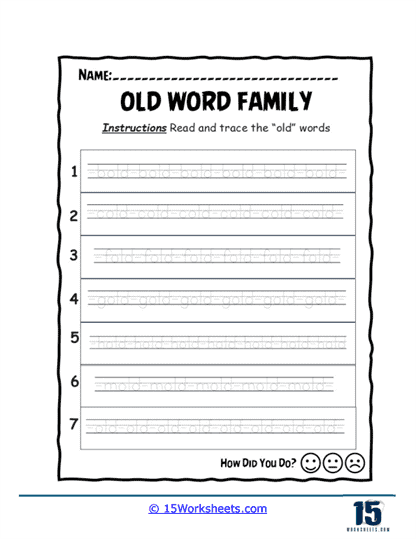
This worksheet asks students to read and trace spellings across handwriting lines. Each item is repeated several times for mastery. The format emphasizes proper letter formation and spacing. Learners progress steadily through the page. It supports fluency and neatness.
What is the Old Word Family?
The old word family includes words that share the same -old ending and sound. This pattern often appears in early reading materials and everyday language. Because the ending stays consistent, students can more easily predict how words will sound. This helps reduce decoding effort and supports smoother reading.
Words with this ending often describe people, objects, or conditions. Even though meanings vary, the spelling pattern remains the same. This allows learners to focus on comprehension rather than decoding each word from scratch. Recognizing this structure also supports accurate spelling during writing.
The -old pattern appears frequently in both simple sentences and longer texts. Students benefit from repeated exposure across reading and writing activities. Practicing this pattern builds confidence and fluency. It also prepares learners to recognize similar spelling families in the future.
Word List for the Old Word Family
cold, fold, gold, hold, old, sold, told
Example Sentences
1. I was cold, so I told my dad and he gave me a gold coat.
2. She tried to hold the old book before it was sold.
3. He will fold the paper and told me where to find the gold.