
Ole Word Family Worksheets
About These 15 Worksheets
The ole word family introduces students to a clear long-vowel spelling pattern that appears in many familiar words. Learning to recognize this ending helps young readers decode words more efficiently and read with greater confidence. This worksheet collection uses pictures, sorting, matching, writing, and puzzles to clearly show how the pattern works. The variety of activities keeps practice engaging while reinforcing the same phonics skill.
As students work through the collection, they move from simple visual recognition to independent reading and writing. Repeated exposure to the same ending helps learners focus on meaning instead of sounding out every letter. Visual cues, tracing guides, and structured formats support accuracy and fluency. Each worksheet provides a new way to practice while maintaining consistency.
These worksheets are well suited for classrooms, literacy centers, small groups, or home practice. Teachers can easily choose activities that match lesson goals, while parents can support learning with minimal setup. The range of tasks supports different learning styles and skill levels. Together, the collection builds strong phonics foundations through consistent and meaningful practice.
About Each Worksheet
Match & Sort Pictures
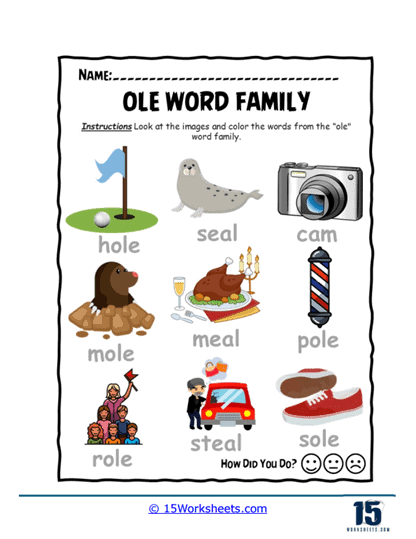
This worksheet asks students to look at pictures and color only the correct written choices. Learners compare options using visual cues. The activity emphasizes careful observation and sound discrimination. Students engage actively with both images and text. It works well for independent or center-based practice.
Picture Sorting Task
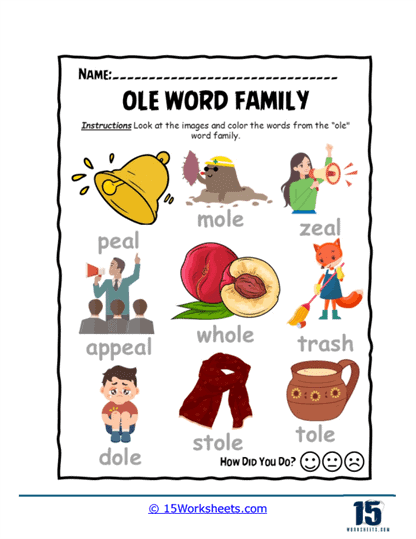
Students examine a new set of pictures and written choices to decide which ones belong together. Each image provides helpful context for confirming selections. The worksheet reinforces sound-spelling relationships through repetition. Learners strengthen decoding and visual connections. It encourages accuracy and focus.
Connect the Pairs
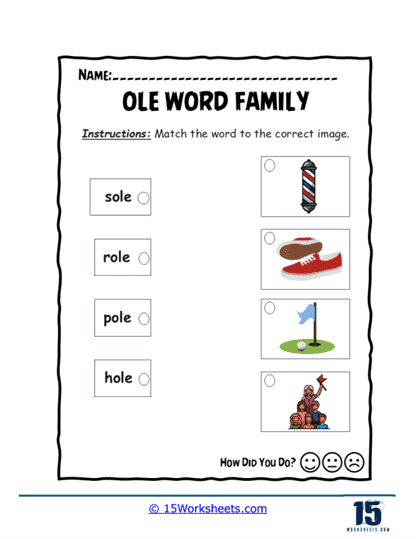
In this worksheet, students match written items to the correct images by drawing lines. Learners carefully compare each option with its picture. Each correct match reinforces meaning and recognition. The structured format supports organized thinking. It builds confidence with independent literacy tasks.
Find the Match
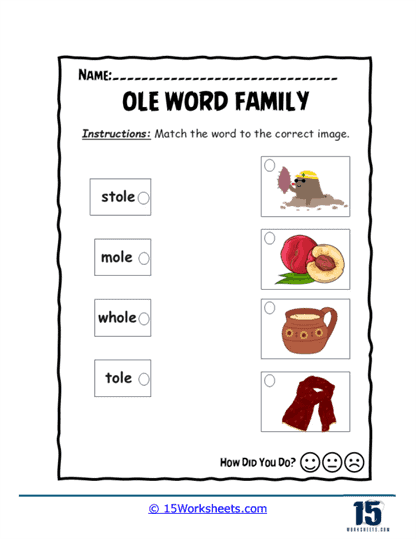
Students read and connect written items to the correct images. Each picture helps clarify meaning. Learners confirm each match before moving on. The worksheet blends reading and visual reasoning. It supports early reading accuracy.
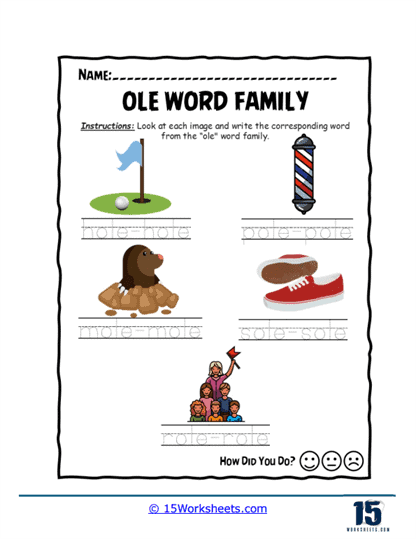
Word Builder
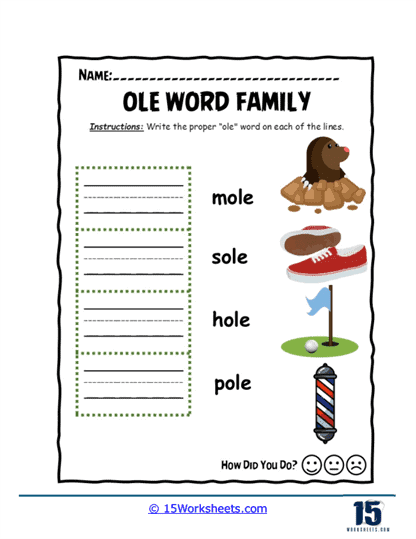
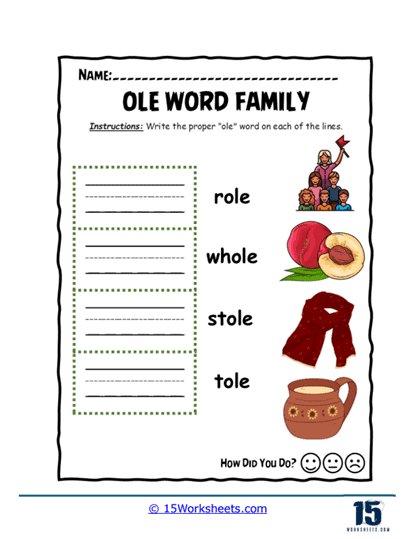
Students look at each picture and write the matching spelling on tracing lines. Visual prompts help learners recall letter patterns. Each written response reinforces consistent structure. Tracing supports handwriting control. The activity combines reading and writing practice.
See and Say
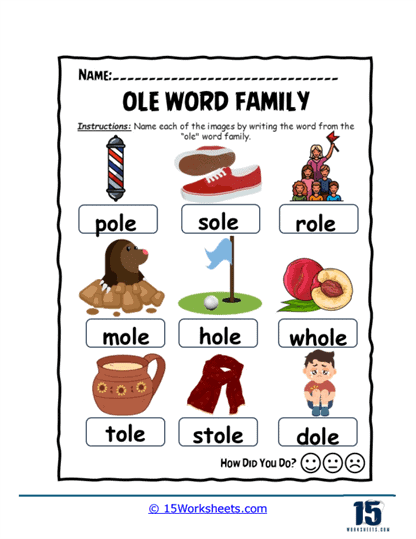
This worksheet asks students to label pictures by writing the correct spelling below each image. No word bank is provided, encouraging independent recall. Learners focus on neat handwriting and accuracy. Each picture reinforces meaning. It supports reading-to-writing transfer skills.
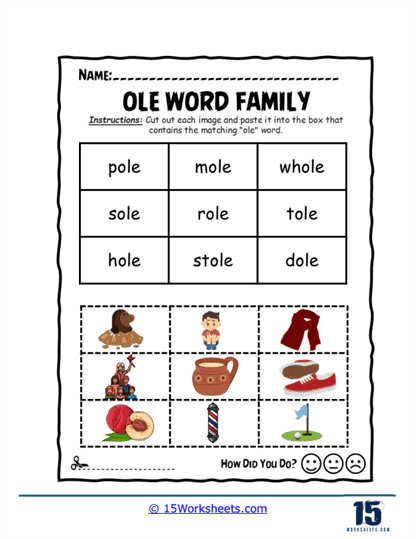
Cut-and-Create
Students cut out images and paste them into labeled boxes. Each image must be analyzed before placement. The hands-on format increases engagement. Learners confirm correct matches as they work. It supports categorization and reasoning skills.
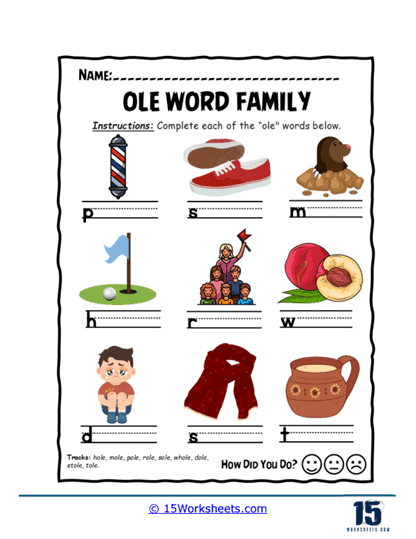
Finish It Up
Students complete partially written spellings using picture clues and beginning letters. Each image guides learners toward the correct structure. The worksheet emphasizes blending sounds accurately. Students fill in each item carefully. It supports decoding readiness.
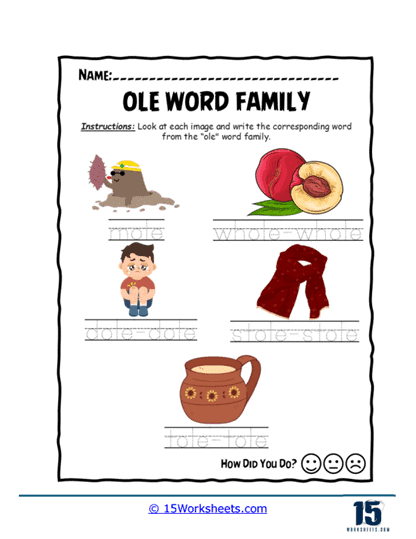
Writing Reps
Students write selected spellings on lined spaces next to matching pictures. Each image acts as a prompt. The activity emphasizes neat handwriting and repetition. Learners practice independently. It builds writing stamina and confidence.
Vocabulary Practice
This worksheet provides additional writing practice using pictures as guides. Students focus on accuracy and completion. Each item is written multiple times. The structured format supports mastery. It prepares learners for more advanced literacy tasks.
Hunt for Words
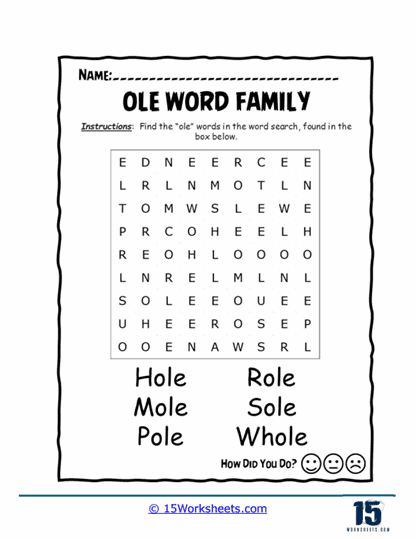
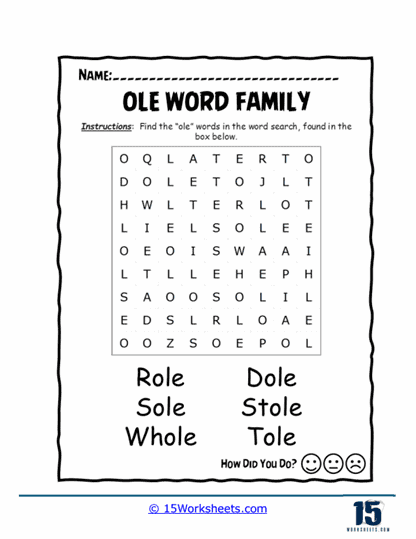
This worksheet features a word search with familiar spellings hidden in a grid. Students scan carefully to locate each one listed. The puzzle format reinforces attention to letter order. Learners confirm spelling as they search. It keeps practice engaging.
Search Review
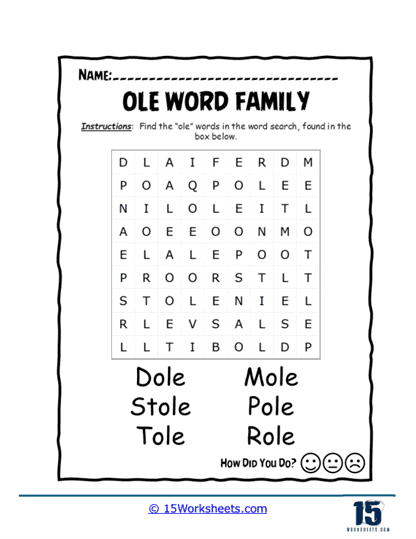
Students complete a second word search with a new combination of spellings. Each one must be found accurately. The worksheet increases challenge while staying familiar. Learners verify spelling carefully. It strengthens decoding and pattern recognition.
Pattern Search
This worksheet presents another word search with varied spellings. Students locate each item and compare it to the list provided. The activity reinforces consistent patterns through repetition. Learners remain engaged through purposeful searching. It supports fluency development.
Name the Parts
Students write the correct spelling in the provided boxes under each picture. A word bank supports accuracy and confidence. The worksheet connects visual meaning to written language. Learners complete each label independently. It builds spelling confidence.
Trace Mastery
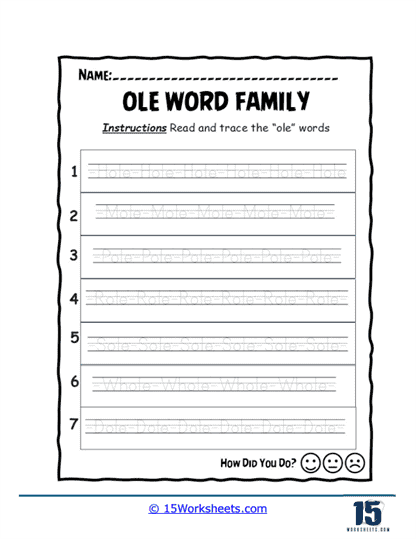
This worksheet asks students to read and trace spellings across handwriting lines. Each item is repeated multiple times to support mastery. The format emphasizes neat letter formation and spacing. Learners progress steadily through the page. It supports fluency and persistence.
What is the Ole Word Family?
The ole word family includes words that share the same -ole ending and long vowel sound. This pattern often signals a long o sound, making pronunciation easier to predict. Many common words follow this structure, which helps early readers gain confidence. Because the ending remains consistent, students can focus more on meaning. This supports smoother reading.
Words with this ending can represent people, objects, or ideas. Although their meanings may differ, the spelling pattern stays the same. This consistency helps learners recognize words quickly and spell them accurately. It also supports comprehension by reducing decoding effort. Over time, students begin to recognize the pattern automatically.
The -ole pattern appears frequently in early reading materials and everyday language. Repeated exposure through reading and writing strengthens fluency. Practicing this pattern helps students build a strong phonics foundation. It also prepares learners to recognize other long-vowel word families. Mastery of this pattern supports overall reading development.
Word List for the Ole Word Family
hole, mole, pole, role, sole, stole, whole
Example Sentences
1. The mole dug a hole near the pole.
2. She took the role and felt whole again.
3. He stole the sole from the shoe by the pole.