
Vocabulary Worksheets
About Our Vocabulary Worksheets
Vocabulary is like the secret sauce that makes reading, writing, and even everyday conversations so much richer. This collection takes words from every angle-synonyms, antonyms, roots, technical meanings, puzzles, and even food-themed practice; and packages them into approachable activities. Some pages feel like classic study drills, while others are closer to brain teasers or art projects. That mix keeps kids engaged and sneaks in plenty of skill-building while they’re having fun.
The variety also means there’s something here for every learner. Struggling spellers get word scrambles and ladders to practice patterns, while budding writers sharpen their expression with precise word choices and transitions. Even practical life language gets covered-think cooking terms, clothing, and hobbies-so students see right away how words connect to the real world. With steady use, the worksheets help kids expand their vocabulary toolkit one page at a time.
Best of all, these activities go beyond memorizing definitions. By solving puzzles, drawing titles, or tracking word origins, students develop curiosity and problem-solving skills that transfer into other subjects. They start to see how words carry history, nuance, and power. And that shift-from memorizing lists to exploring language-makes vocabulary practice feel less like homework and more like discovery.
As you work through the activities, you’re also practicing spelling the words. It’s like a bonus spelling bee! Plus, when you know more words and understand their meanings, reading becomes less of a chore and more of an adventure. The more words you know, the more you understand what you read in books, websites, or school assignments.
A Look At Our Vocabulary Categories
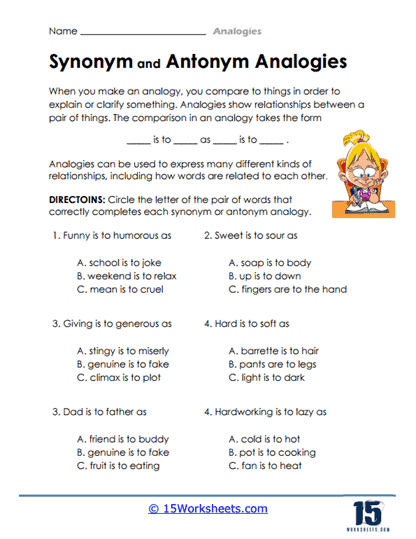
These are a powerful tool in communication and learning because they help us understand complex or abstract concepts by comparing them to something more familiar or concrete. The overall goal is to make something clear and easy to understand.
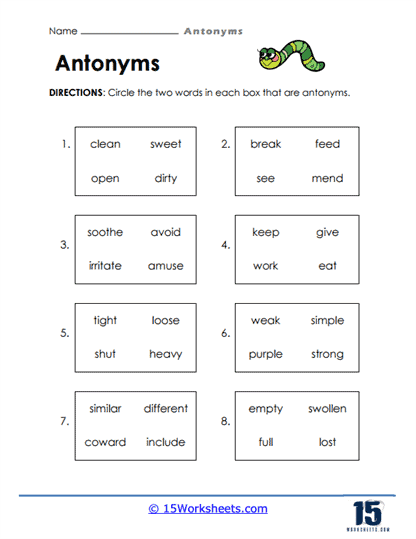
Learners match or choose words with opposite meanings and use them in short sentences. They notice how a single swap (“ancient” vs. “modern”) changes tone and message. Activities build precision and help students avoid repetitive word choices. It’s targeted practice in understanding contrasts.
Kids explore words that end with the -ar pattern (like “solar,” “guitar,” “scholar”). They sort, read, and write examples to cement the sound-spelling link. The focus on a single r-controlled pattern boosts decoding and spelling fluency. It’s bite-size phonics work that feeds confident reading.
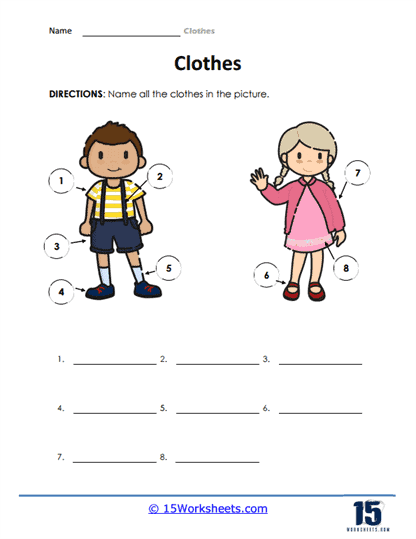
Students learn names for common garments and accessories, then use them in labels or sentences. Picture prompts make identification quick and engaging. They also meet adjectives for fabric, fit, or style to add detail. It’s everyday vocabulary they can use on the spot.
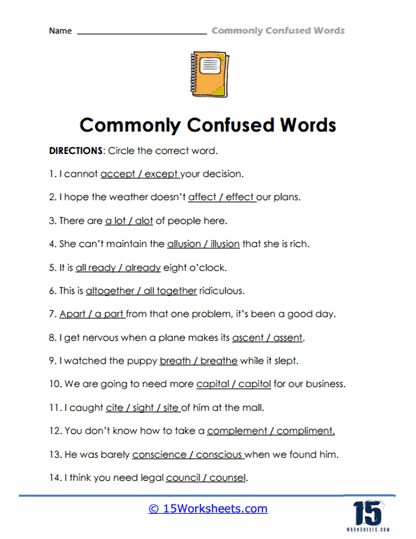
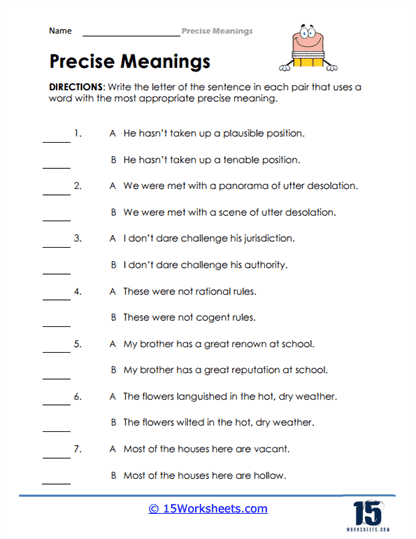
It is important to understand the differences between these types of terms in order to communicate effectively and avoid misunderstandings. We look deeply at some of the most common terms that give students difficulty.
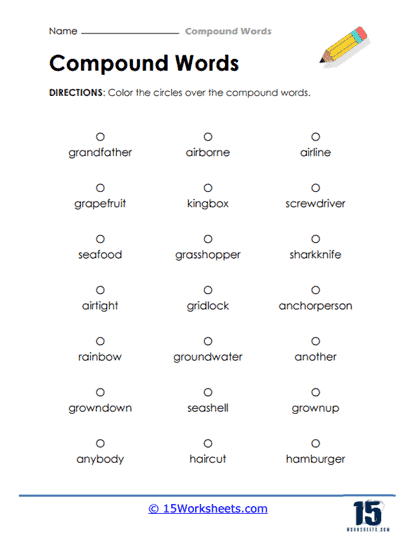
These are terms that are made up of two or more separate words that are combined to form a new word with a different meaning. We look at the 3 different methods that are used to form these.
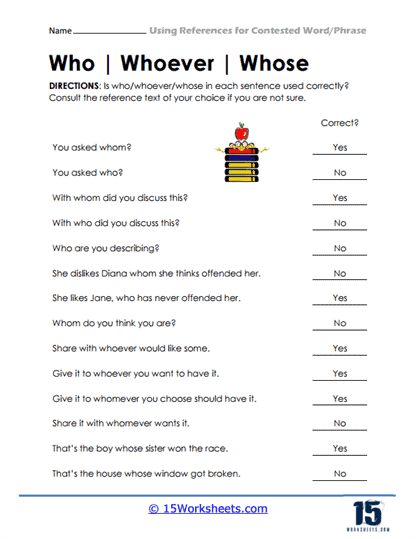
These are the terms that are subject to dispute or controversy regarding their meaning, usage, or appropriateness. These words often have multiple meanings or interpretations, or they may be considered offensive or insensitive by some people.
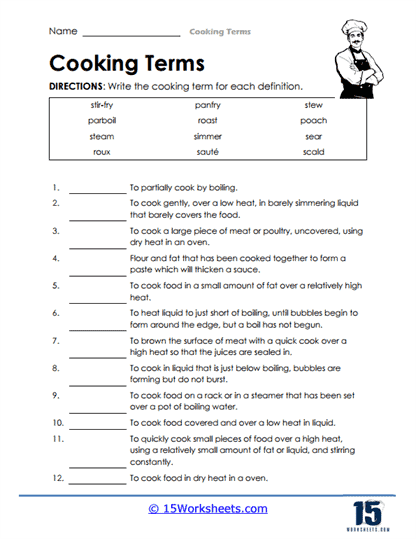
Learners meet kitchen verbs, tools, and textures-stir, whisk, sauté; ladle, peeler; chewy, crisp. Matching and labeling tasks anchor each term to a picture or action. Kids then write simple directions using target words. It’s a tasty blend of vocabulary and procedural writing.
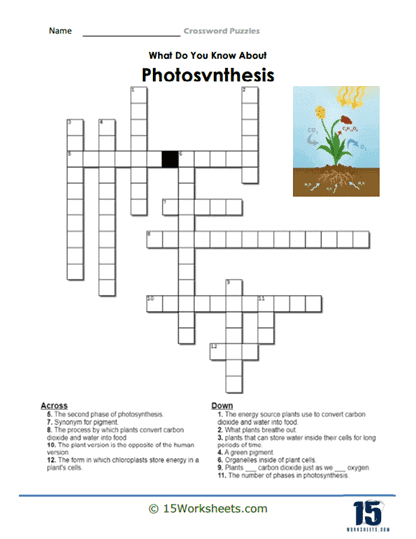
These are word games that consist of a grid of blank squares and clues that lead to the answers of words that fit into the grid. They are wonderful helping students learn new terms and the context that they can be used in.
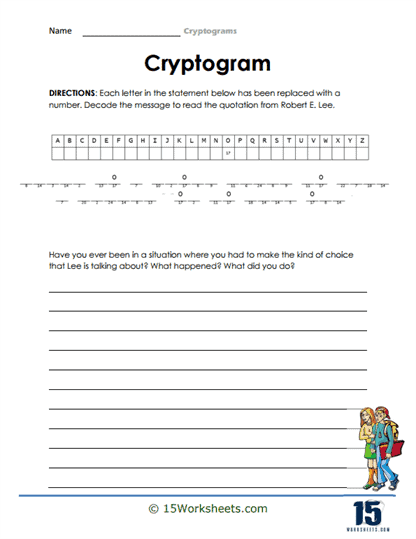
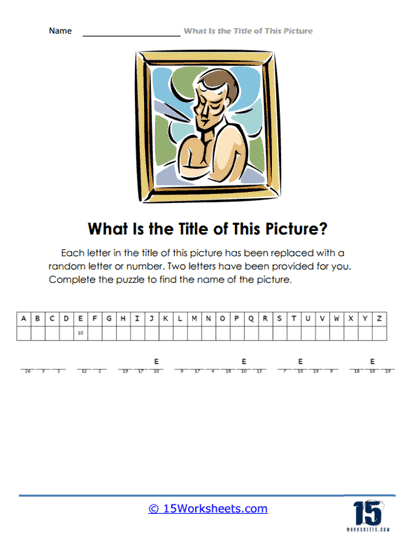
Another fun and engaging activity for youngsters. Students will work on solving the encoding a message or quote by using a substitution, where each letter of the alphabet is replaced by a different letter or symbol.
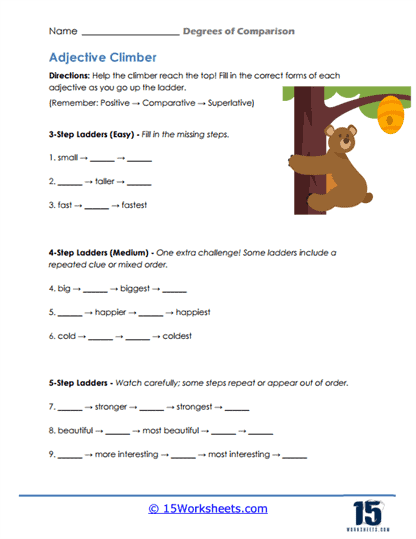
These activities help your child master descriptive language by exploring how adjectives change from “big” to “bigger” and “biggest.” It’s a fantastic way to boost their writing skills and help them express precise differences in the world around them.
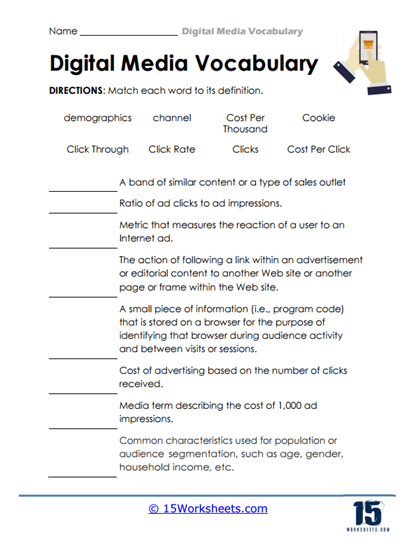
From navigating online assignments to understanding tech terms, this collection equips your child with the modern language they need for the digital age. It bridges the gap between everyday talk and the specialized tech vocabulary they encounter in school and online safety lessons.
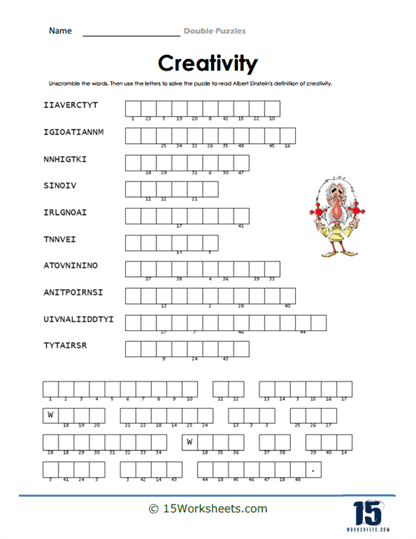
These sheets are a combination of a letter scramble followed by a cryptogram. The goal is to help students get more comfortable with working with these completely new terms.
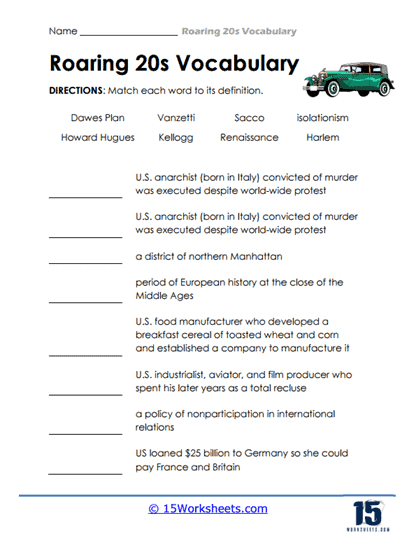
We look at the history around our language and ho the meanings and interpretations of words have changed over time. This also helps us understand how culture can affect language.
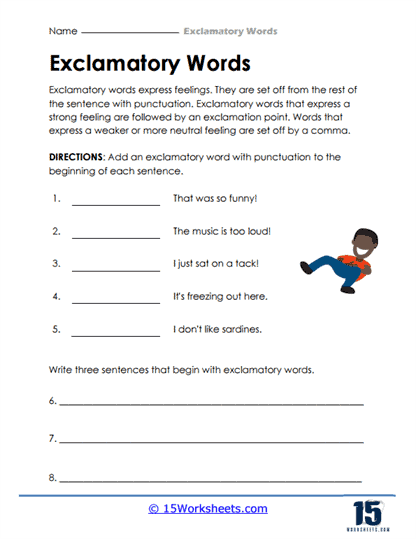
These are words or phrases that express strong emotion. They are usually followed by an exclamation point (!) when the emotion is particularly strong, although they can also be followed by a comma when the feeling is less intense.
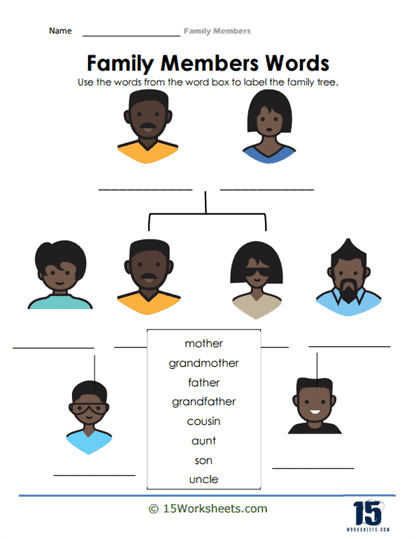
Students learn the basic terms to explain relationships within an extended family unit.
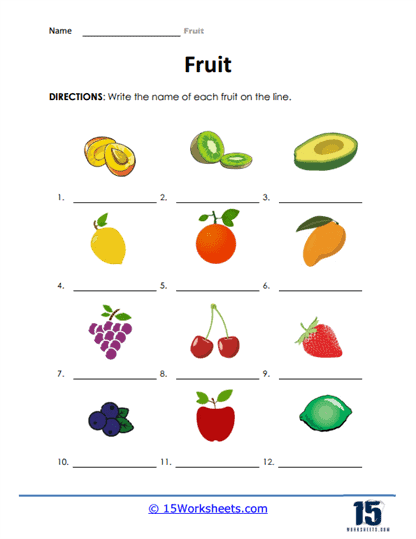
Students name, sort, and describe common and unusual fruits. Adjectives for taste and texture widen their descriptive toolbox. They read mini-facts and craft simple sentences with new terms. It’s sweet, concrete vocabulary practice.
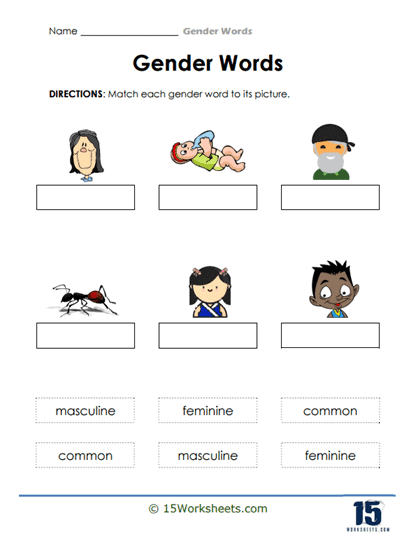
This set focuses on understanding language pairs like actor/actress or king/queen, which helps build a strong foundation in grammar and vocabulary. It’s a wonderful tool for expanding their reading comprehension and helping them recognize how words change based on context.
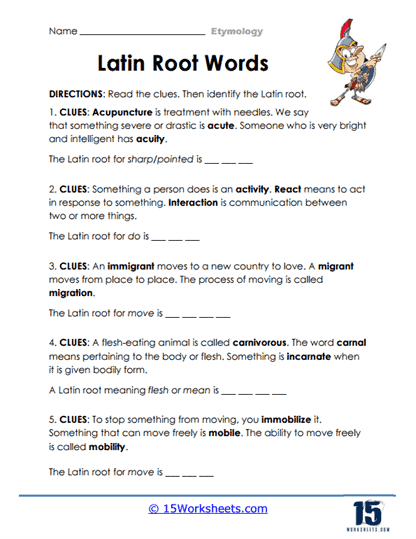
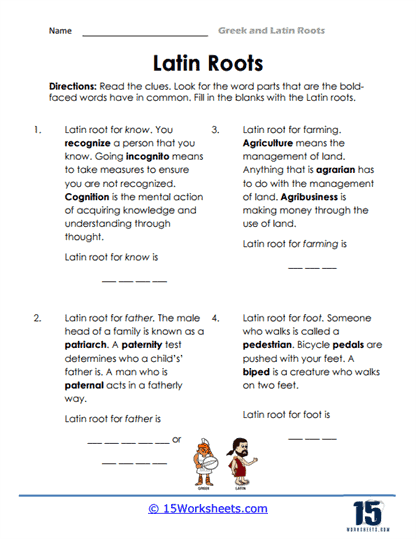
These are the building blocks of many English words, as English has borrowed extensively from these classical languages. Understanding them can help us to better understand the meanings of words and how they are related to other words.
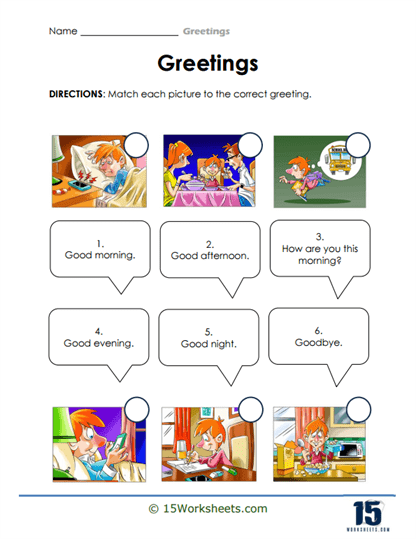
Perfect for boosting social-emotional skills, these worksheets teach children the right words to use when starting a conversation or saying goodbye in different settings. It gives them the confidence to interact politely with peers, teachers, and family members alike.
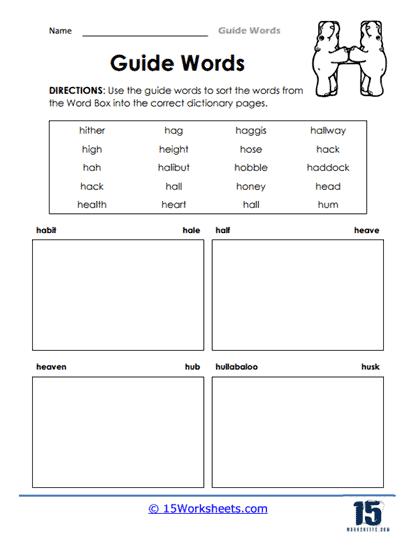
These are the words that appear at the top of each page in a reference book (dictionary). They are used to help us quickly find the word we are looking for by indicating the range of words included on each page.
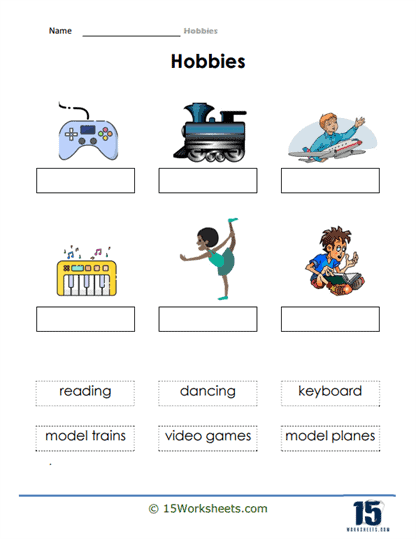
Kids explore words for popular pastimes-from hiking and coding to painting and chess. They sort, label, and discuss gear, places, and actions for each hobby. Short writing prompts use the new terms in context. It’s personal-interest vocabulary that invites sharing.
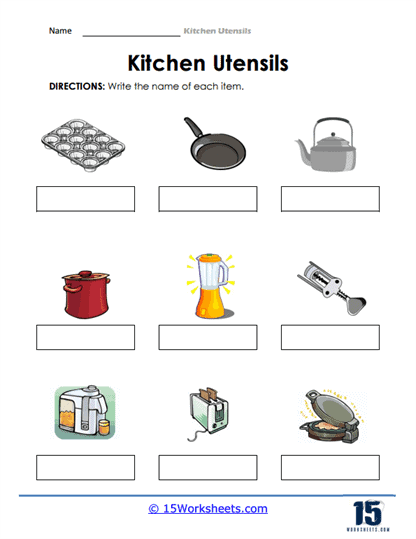
Learners match tools to names and functions (spatula, sieve, tongs, whisk). They read short blurbs and choose the right tool for a task. Clear visuals reinforce form and purpose together. It’s practical language for home and life skills.
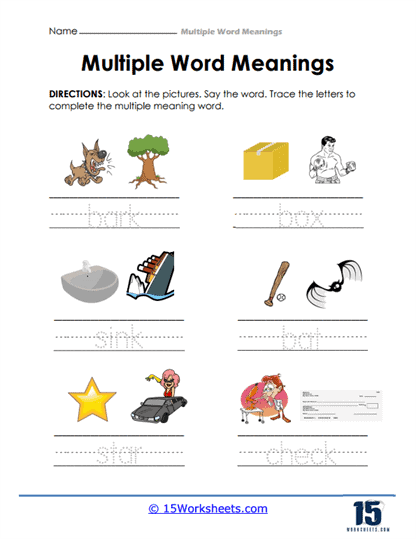
Students discover how one word shifts meaning across contexts (a “bat” in sports vs. animals). They choose definitions based on clues and craft example sentences. This builds flexibility and careful reading. It’s a friendly intro to polysemy.
When big words look intimidating on a page, these exercises teach kids how to confidently break them down into smaller, manageable chunks. Mastering these longer words is one of the biggest stepping stones to fluent, independent reading.
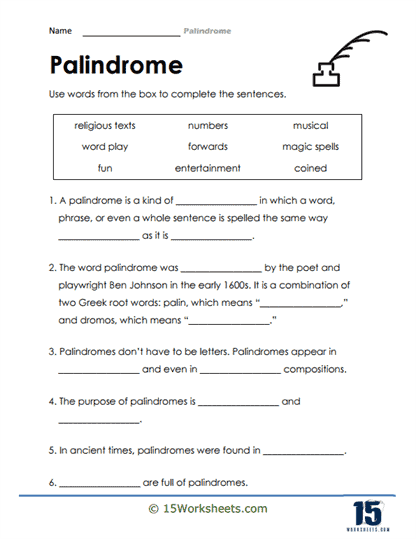
These are words, phrases, numbers, or other sequences of characters that reads the same backward as forward. The purpose is primarily to provide entertainment. They do not have a significant purpose in language as a whole.
This can appear in a variety of ways. They often appear as a spelling pattern but can also appear in the way that things sound when we pronounce them aloud.
These make for a great sentence prompt and creative writing activity. Students will be given a picture and need to write a title for it.
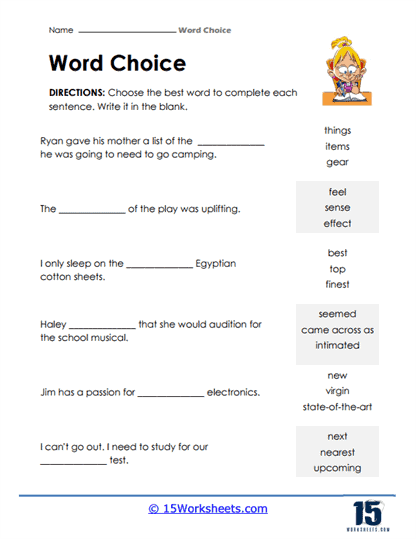
This involves carefully analyzing the context in which the word is used and considering any relevant definitions, connotations, and synonyms. This is a skill that gets easier with more experience.
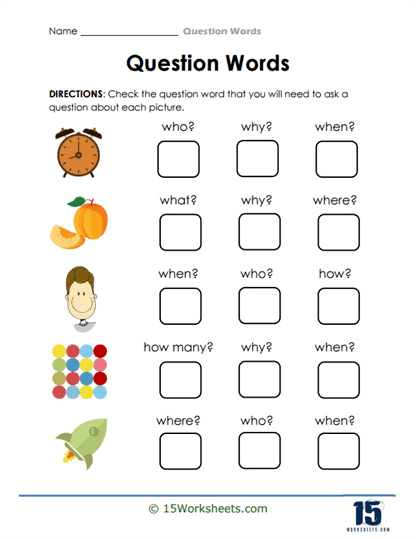
Learners practice who, what, when, where, why, and how in both questions and answers. They match prompts to the correct information needs. The work supports research, discussion, and reading comprehension. It’s foundational language for inquiry.
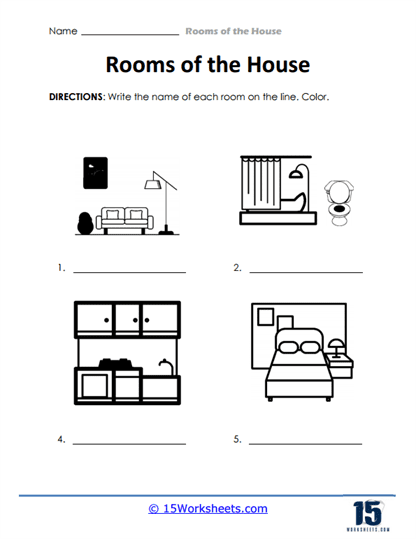
Ideal for early learners or language builders, these worksheets turn everyday home environments into a fun vocabulary lesson. By labeling and describing familiar spaces and objects, your child strengthens their spatial awareness and foundational language skills.
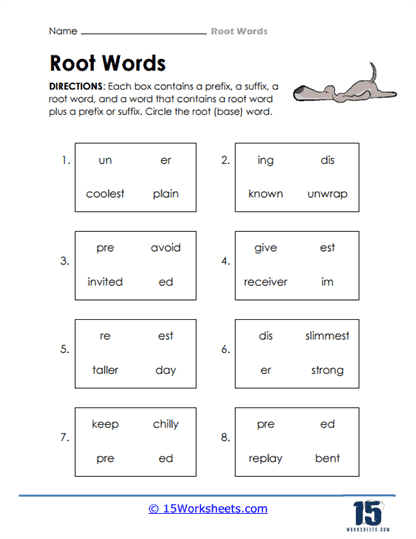
We look at word parts that carry meaning and cannot be further divided into smaller units. Many words in the English language are constructed from one or more root words, often combined with prefixes and/or suffixes.
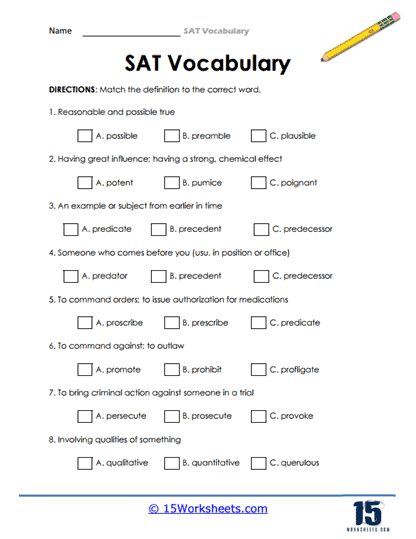
Learners meet high-utility academic terms through definitions, examples, and practice sentences. Short quizzes and usage checks reinforce retention. Emphasis falls on context so words feel usable, not just memorized. It’s a test-smart path that also improves everyday reading.
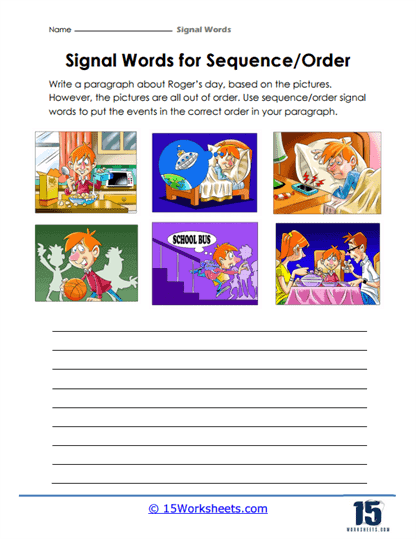
These are often used to indicate a particular relationship between ideas or to highlight important information in a piece of writing. They help readers navigate the text more easily and understand how ideas are connected.
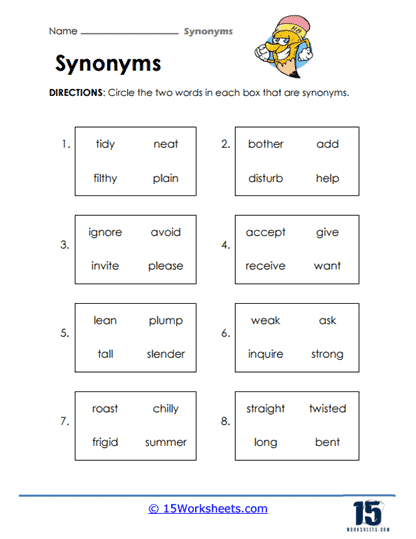
These are terms that have the same or very closely related meanings. These are helpful for avoiding repetition when we are writing, and they can help us add a shade of meaning.
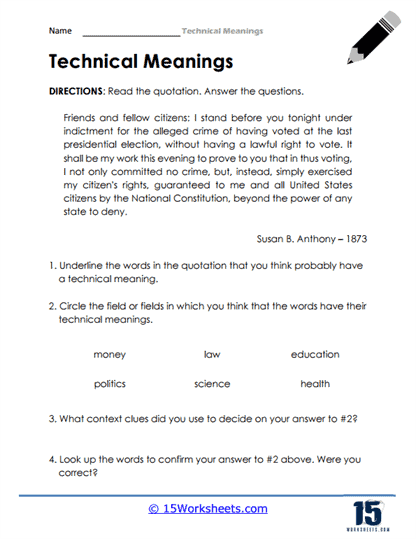
These terms are usually related to a particular field or industry, such as science, medicine, law, or technology. They often help professionals communicate more effectively.
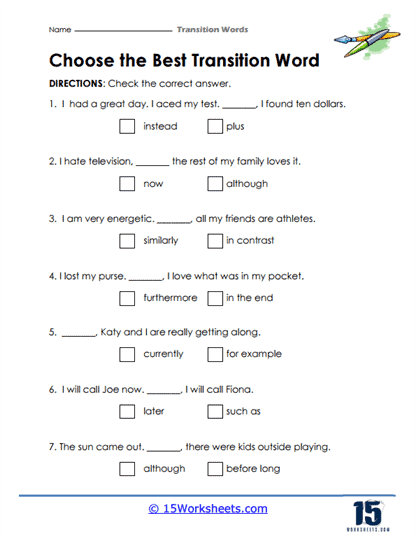
These terms and phrases help us connect ideas and often signal a shift in direction or focus. When used properly they can help an audience understand the thoughts of the author better.
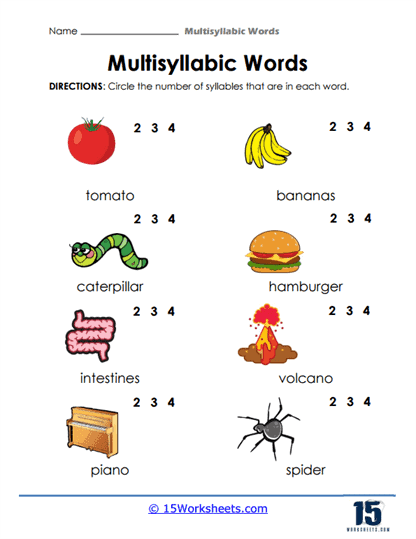
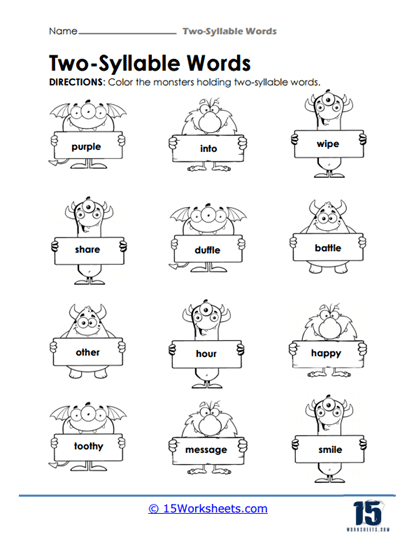
This collection is the perfect next step for early readers who are moving past simple, one-sound words and ready to tackle rhythmic reading. We focus on clapping out and reading two-beat words to build strong decoding skills and spelling confidence.
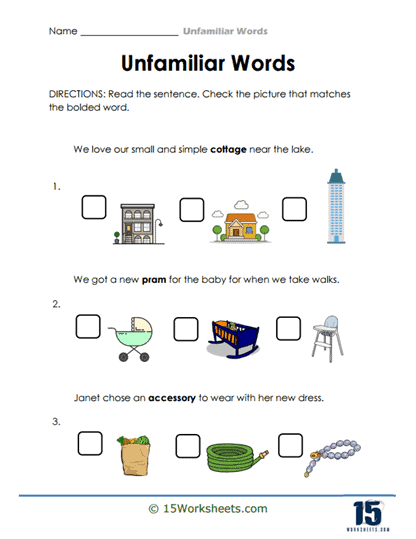
Kids tackle new terms with context clues, word parts, and reference tools. They annotate short passages and test a best-fit meaning. Strategies become habits through repetition. It’s confidence-building for meeting unknown words.
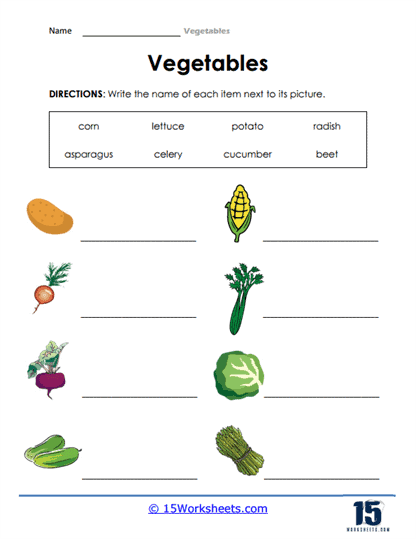
Learners label and categorize veggies, then describe taste, texture, and cooking methods. Quick reads add facts that stick to the terms. Writing prompts encourage “menu” sentences using target words. It’s healthy, hands-on noun practice.
The choices an author makes can significantly impact the effectiveness of their writing. They can influence the tone, mood, and meaning of a piece of writing, as well as the reader’s emotional response to it.
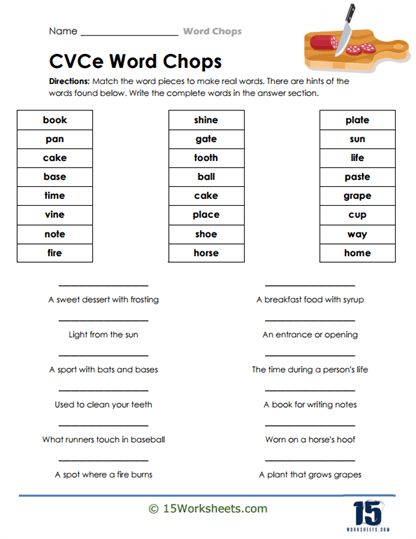
Think of this as a fun, puzzle-like workout for your child’s brain where they piece together scrambled word fragments to solve a puzzle. It’s an incredibly engaging way to reinforce spelling patterns and build problem-solving stamina at the same time.
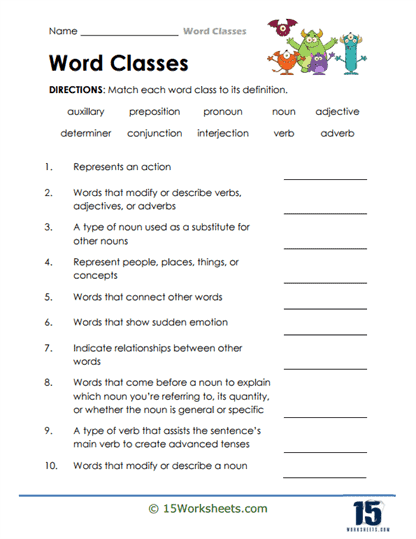
If your child needs help figuring out the difference between a noun, a verb, and an adjective, this is the perfect grammar toolbox. We break down the parts of speech into clear, practical activities so they can see exactly how sentences are built.
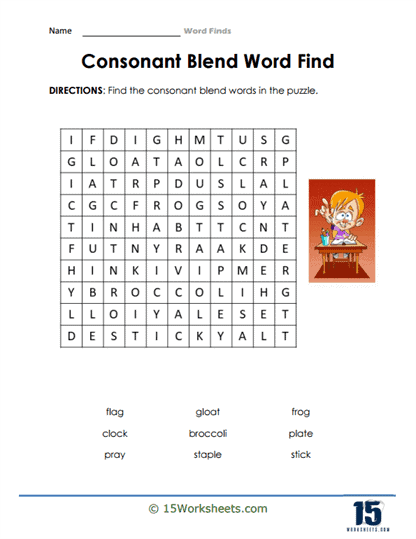
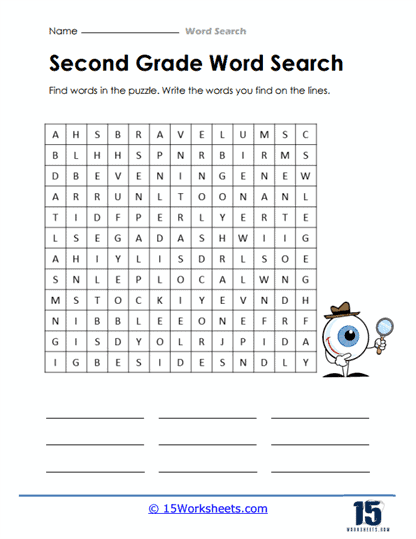
These are a type of puzzle game where the player is given a grid of letters and a list of words to find hidden within the grid. They can help to improve vocabulary and spelling skills, as well as visual perception and cognitive abilities.
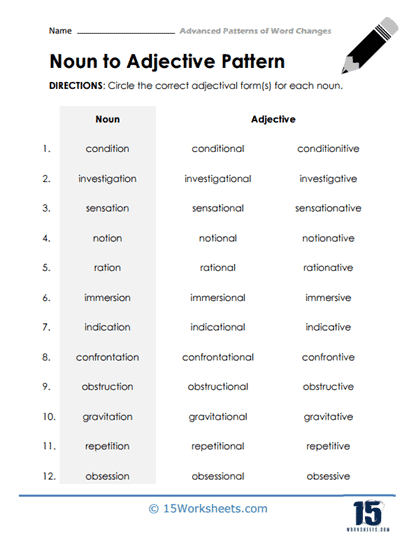
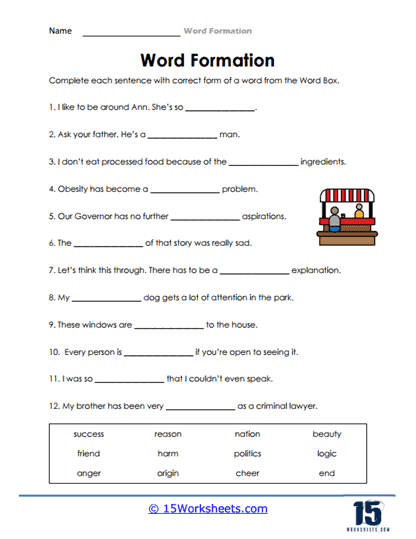
Learners turn nouns to verbs, verbs to nouns, and adjectives to adverbs by adding endings or prefixes. They track meaning and grammar shifts each time. This bridges vocabulary and sentence correctness. It’s morphology you can use in writing.
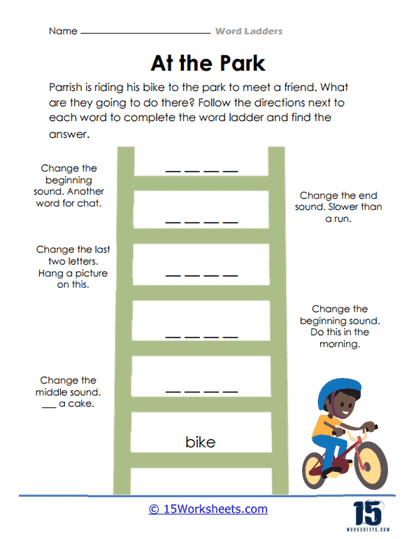
These are a type of puzzle where students must change one word into another by altering one letter at a time. Each step must result in a valid word, and the end goal is to reach the final word.
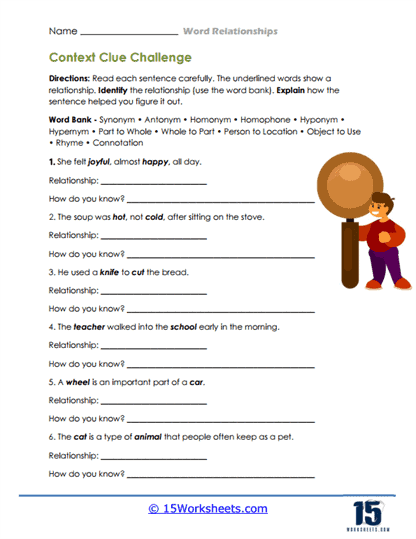
This collection challenges kids to think about how words connect through categories, synonyms, antonyms, and analogies. It moves them past simple definitions and teaches them how to map out a deeper, more mature understanding of language.
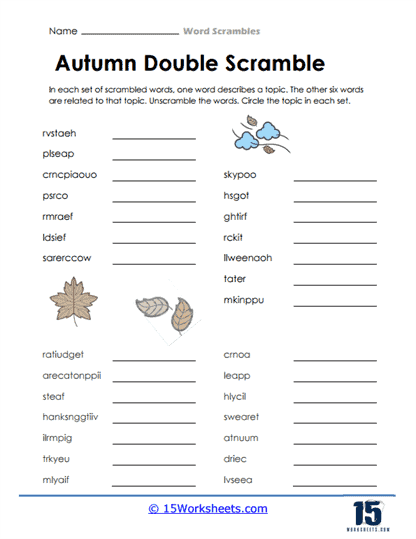
You will be given a string of letters that you need to arrange properly. This is an awesome activity especially when you are using it to complement a theme.
I find that these activities can have a huge impact on improving spelling. They build right off of the principles of phonics. The words can be hidden in any direction (horizontal, vertical, diagonal) and can overlap with each other.
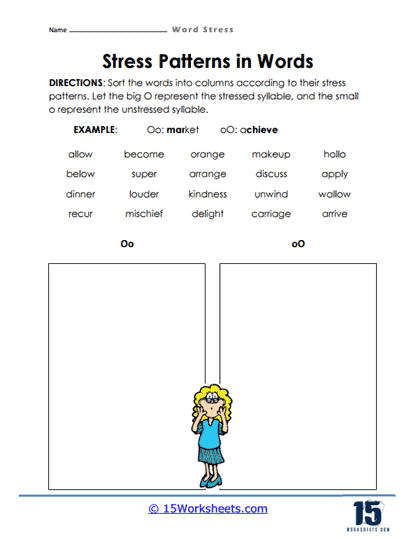
We look at the level of emphasis that is placed on a syllable or part of a word when it is spoken. This is often the part of language that is difficult for non-native speakers.
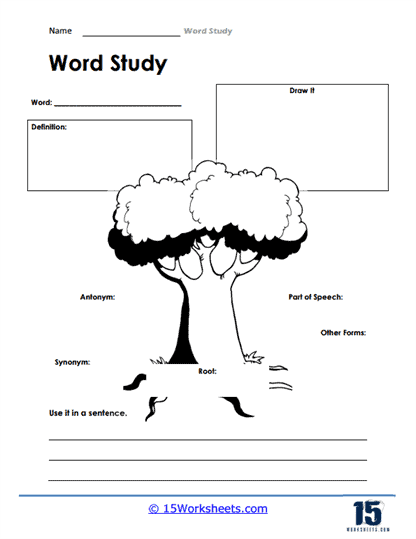
This deep-dive collection guides your child through looking closely at word roots, prefixes, and suffixes to unlock the meaning of unfamiliar terms. It essentially gives them a “cheat code” for reading, allowing them to figure out tough words all on their own.
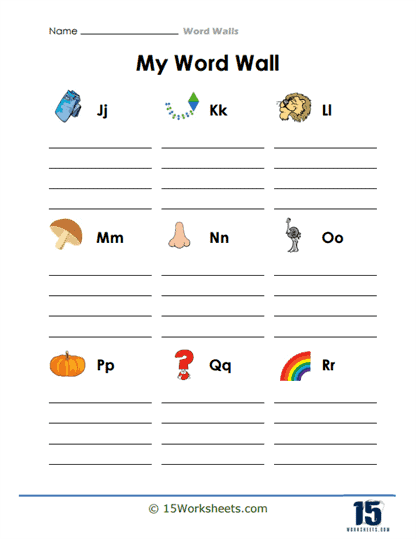
They are typically large displays on a classroom wall or bulletin board that feature words relevant to the current unit of study or grade level. They are great reference tools for your weekly spelling lists.