
Reading Passages Worksheets
All About These Worksheets
Reading passages are one of the best ways to blend learning with fun, and this collection has a little bit of everything. Students will find nonfiction texts about animals, science, and famous people, along with short fiction pieces about family, friends, and imaginative adventures. Each worksheet comes with comprehension questions that make kids think about what they’ve read. It’s a great way to build fluency, vocabulary, and critical thinking all at once.
The worksheets are designed to support different levels of readers. Some focus on sequencing events, while others emphasize comparing and contrasting, finding main ideas, or interpreting character actions. With both informational and narrative texts, kids get a balance of fact and story. This variety keeps practice fresh and makes reading a daily adventure instead of a chore.
And beyond the classroom, these passages connect literacy to real life. Students learn about science topics, environmental issues, and history while practicing their reading skills. Fiction passages, on the other hand, build empathy and imagination. Altogether, the collection helps kids become confident readers who can handle any kind of text they encounter.
Have a Look Inside Each Worksheet
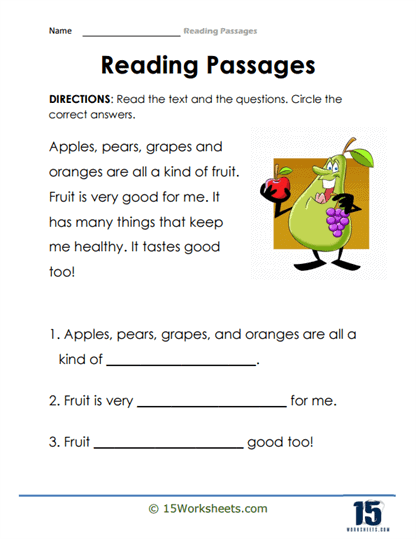
Fruitful Knowledge
Students read a short passage about fruit and its benefits. They’ll answer questions that test comprehension and vocabulary. It’s a sweet way to mix science and reading practice. Great for boosting both knowledge and literacy.
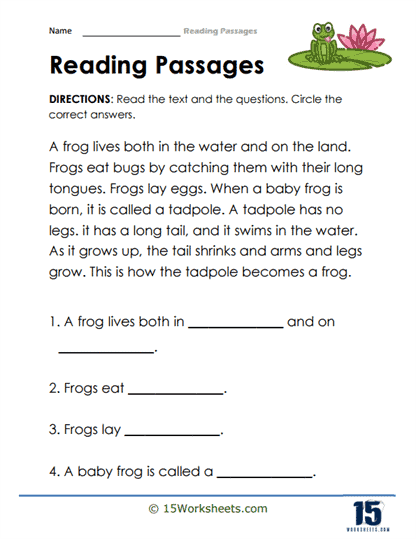
Frog Life Cycle
This passage walks learners through the stages of a frog’s life. Kids practice sequencing events while learning fun biology facts. The questions reinforce key details. A perfect blend of science and reading skills.
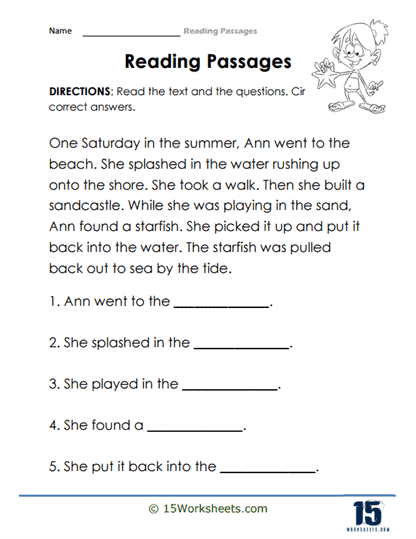
A Day By The Sea
Students enjoy a descriptive reading about the seaside. They’ll visualize the setting and answer comprehension questions. It encourages imagination and detail recall. A relaxing but engaging practice piece.
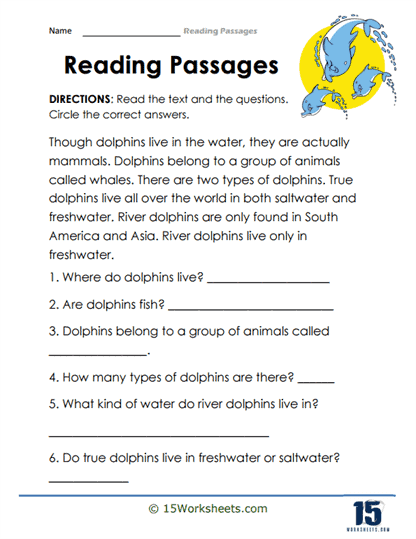
All About Dolphins
This worksheet dives into fascinating dolphin facts. Students read and then show understanding through targeted questions. It’s part science, part storytelling. A lively way to combine animal study with reading comprehension.
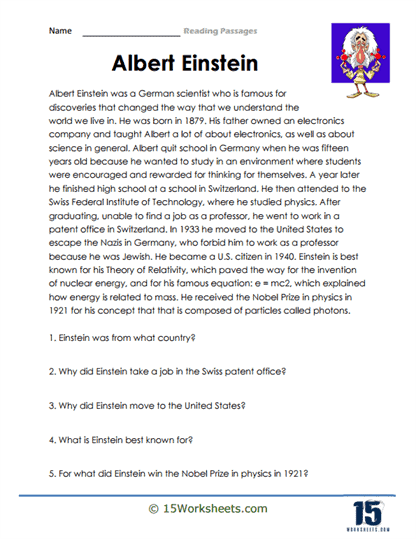
The Life of Albert Einstein
Learners read about the famous scientist’s life and contributions. They’ll practice picking out important information from nonfiction text. The passage inspires curiosity about history and science. Great for older students practicing detail-oriented reading.
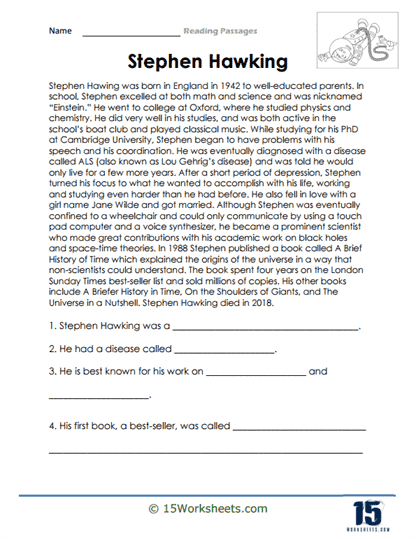
The Legacy of Stephen Hawking
This passage introduces students to Hawking’s work and influence. It challenges them to understand complex ideas at an accessible level. The worksheet builds comprehension of nonfiction and biographies. A meaningful way to tie science to reading.
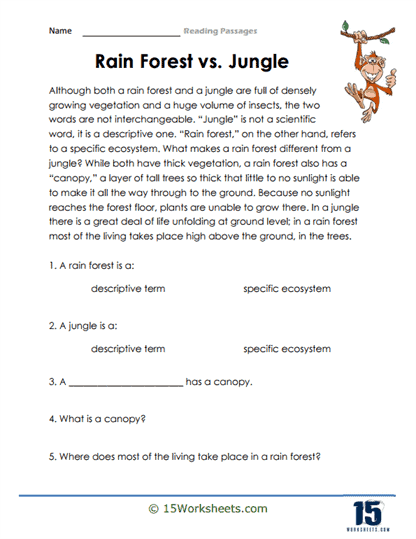
Rain Forest vs. Jungle
Students compare and contrast two ecosystems in this reading. They’ll spot similarities, differences, and key vocabulary. It’s a critical thinking workout wrapped in a nature theme. Perfect for practicing compare/contrast skills.
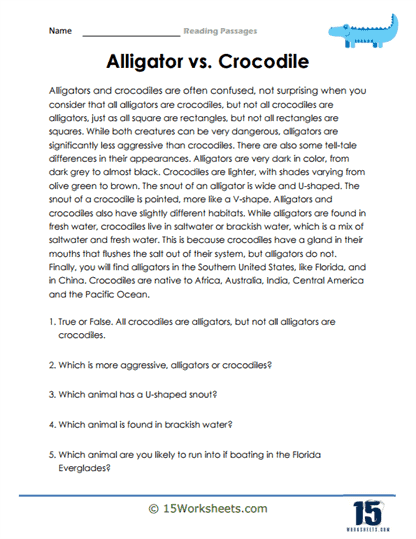
Comparing Alligators and Crocodiles
This fun passage helps learners distinguish between the two reptiles. They’ll use details to tell them apart. The reading encourages observation and fact retention. A playful way to blend animal science with literacy.
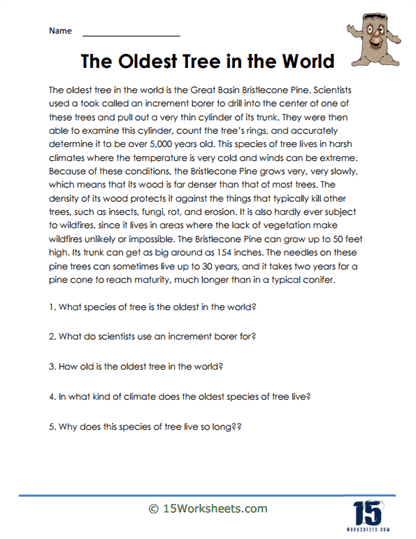
The Great Basin Bristlecone Pine
Students read about one of the world’s oldest living trees. The passage introduces scientific vocabulary and big ideas about time. It’s both awe-inspiring and educational. A great nonfiction text for comprehension practice.
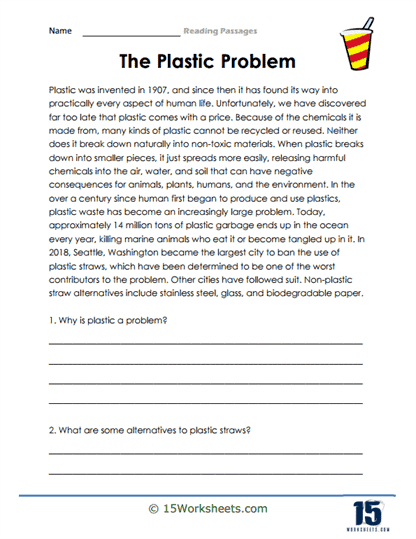
Sustainable Alternatives to Plastic Straws
This worksheet covers environmental issues in kid-friendly language. Students learn about eco-friendly choices while practicing reading comprehension. It ties literacy to real-world responsibility. A modern and meaningful passage.
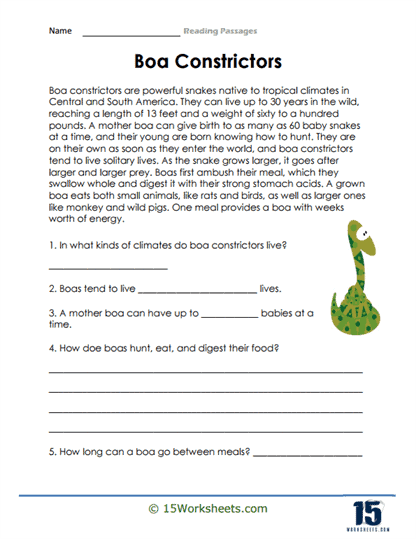
Survival Skills of Boa Constrictors
Learners explore how boas hunt and survive in the wild. The questions reinforce detail recognition and cause/effect thinking. The passage makes science exciting. A thrilling text for comprehension practice.
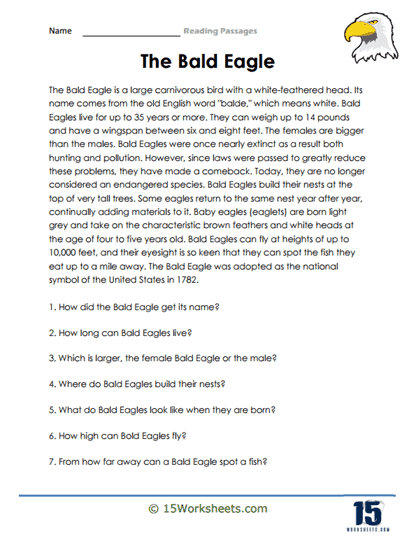
The Majestic Bald Eagle
This reading highlights the bald eagle’s traits and symbolism. Students answer comprehension questions about both science and history. The passage blends fact with national pride. A patriotic and educational practice piece.
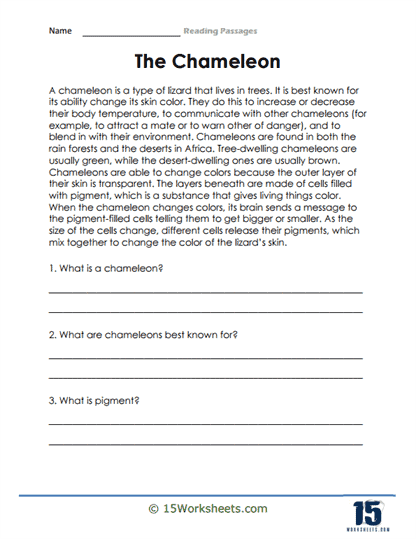
Chameleons in Action
Students read about chameleons and their color-changing abilities. It’s a chance to practice fact-finding and vocabulary skills. The content sparks curiosity about animal adaptations. A colorful way to engage readers.
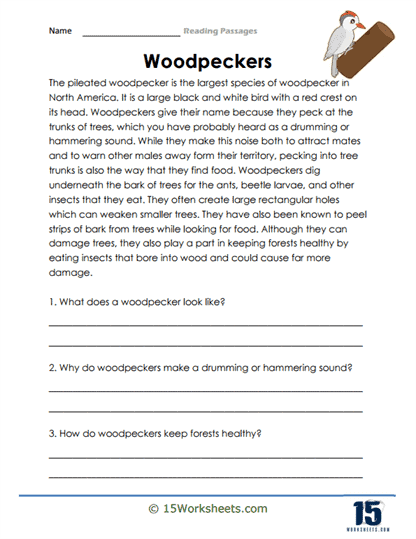
Woodpeckers at Work
This passage explains how woodpeckers live and feed. Kids connect reading with biology as they learn fascinating details. The questions encourage recall and comprehension. A lively science-meets-literacy exercise.
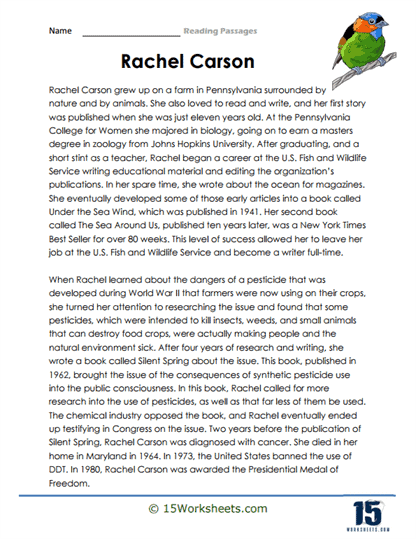
Rachel Carson’s Environmental Impact
Learners read about Carson’s work and her influence on environmental awareness. The passage combines biography with science. Students practice identifying main ideas and supporting details. A thoughtful way to tie history and reading skills together.
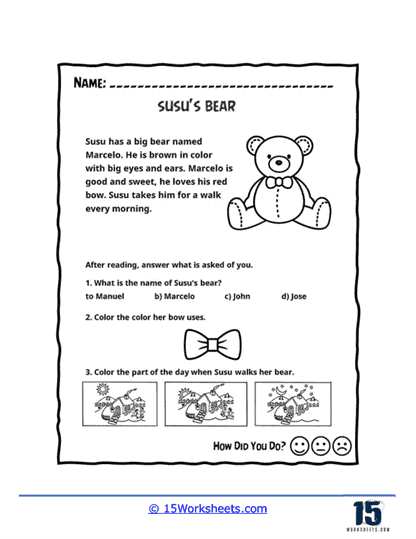
Susu and Her Bear
This fiction passage tells a short story with a warm theme. Students answer questions that check understanding of plot and characters. It builds both comprehension and empathy. A charming entry point into reading literature.
Family Fun with Suzy
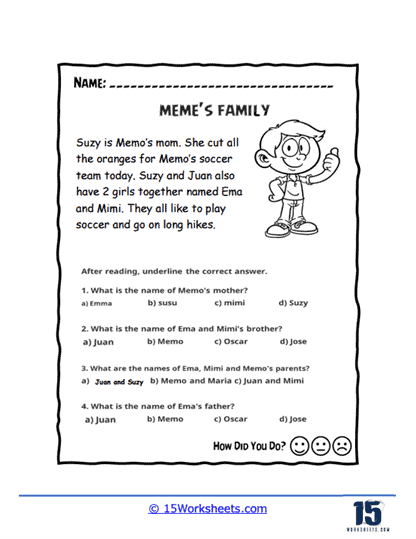
This passage describes everyday family life. Learners focus on sequencing and detail recall. It’s relatable and engaging for young readers. A practical way to connect reading to real life.
A Family Portrait
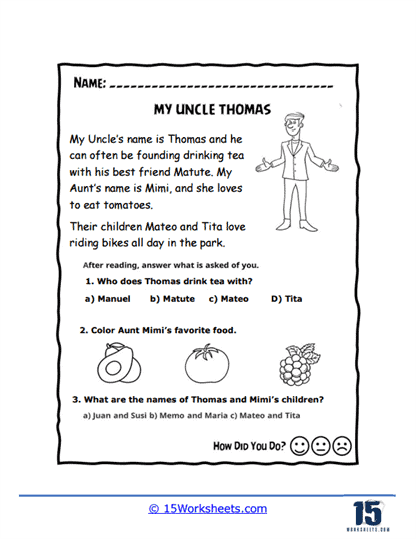
Students read about a family snapshot and its story. The questions encourage comprehension and inference. It connects literacy with personal experiences. A cozy reading passage for kids.
Sunday Dinner with Roommates
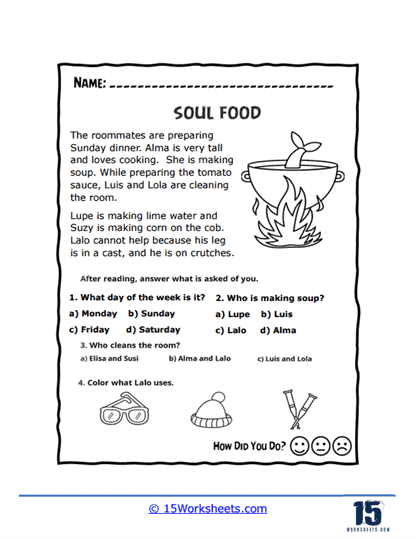
This passage highlights friendship and cooperation. Students answer questions about character interactions. It builds social understanding alongside literacy. A great mix of story and skill practice.
Packing for a Trip
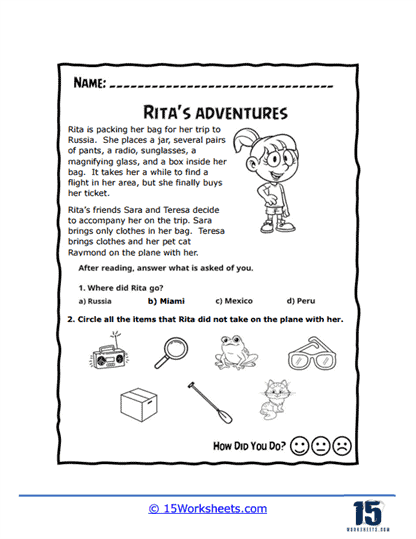
Learners read about preparations for a journey. They’ll practice sequencing events and spotting details. It’s both practical and fun. A useful passage for everyday comprehension skills.
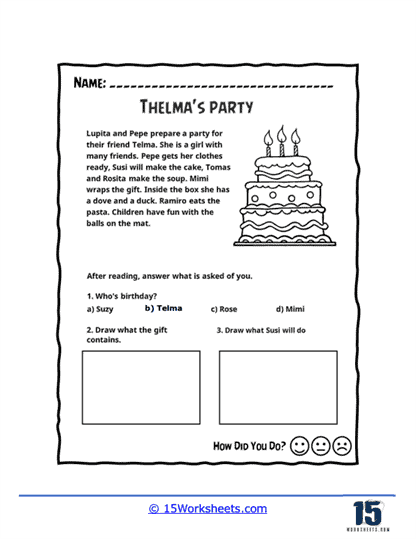
Thelma’s Party Preparations
This passage focuses on organizing a party. Students answer comprehension questions about tasks and details. It encourages attention to sequence and planning. A cheerful, relatable reading.
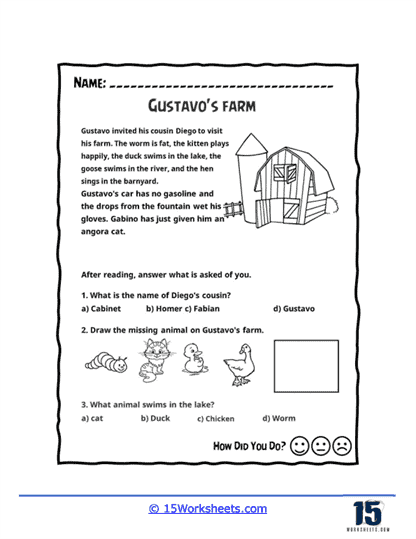
Gustavo’s Farm Fun
Here, learners read about a farm experience. The questions reinforce detail recall and fact comprehension. It ties reading to real-world themes like farming. A fresh and lively text for kids.
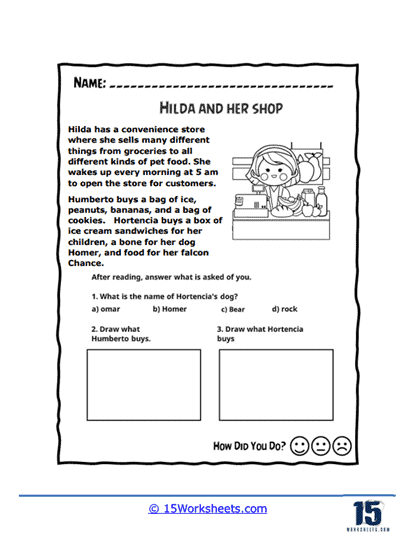
Shopping with Humberto and Hortencia
This passage tells a story about grocery shopping. Students connect literacy to everyday tasks. They’ll practice detail-oriented reading. A relatable way to make comprehension meaningful.
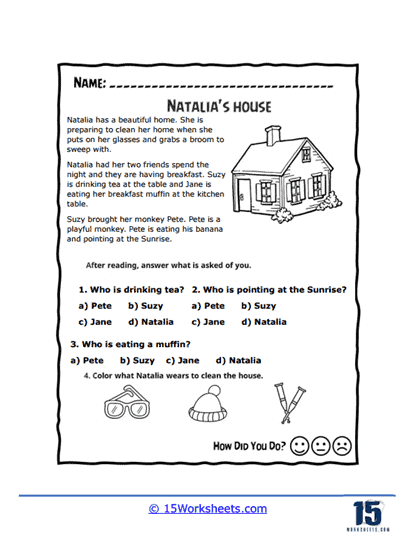
Breakfast and House Cleaning
Learners read about a daily routine. The passage highlights sequencing and chores. Questions check comprehension of practical activities. A good way to tie reading to life skills.
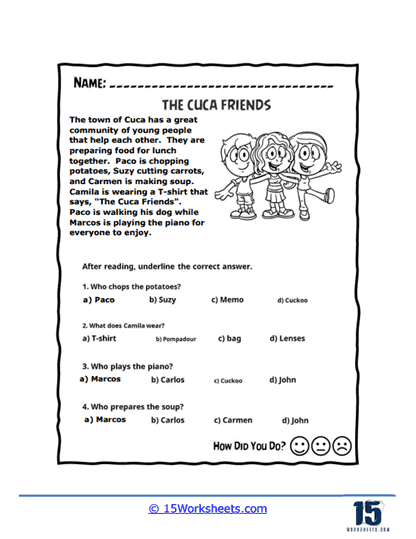
Cuca’s Youthful Helpers
This passage describes kids helping around the house. Students focus on actions, sequence, and teamwork. It’s uplifting while reinforcing comprehension. A positive reading practice for young learners.
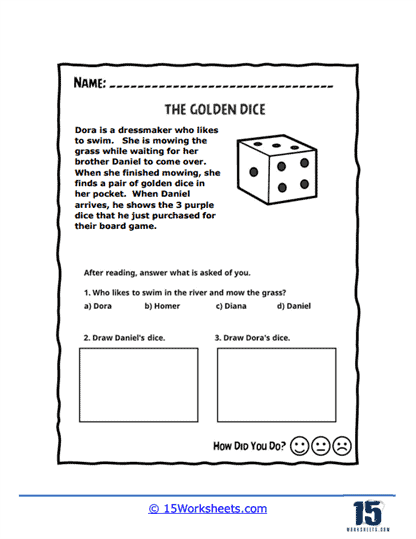
The Golden Dice
Students enjoy a short fictional tale about dice and luck. They’ll answer questions on plot and meaning. The passage builds imagination alongside literacy. A playful way to make comprehension fun.
Friendship in the Fields
This story passage highlights friendship through teamwork. Learners answer questions about plot and character traits. It encourages empathy while practicing comprehension. A meaningful, story-based worksheet.
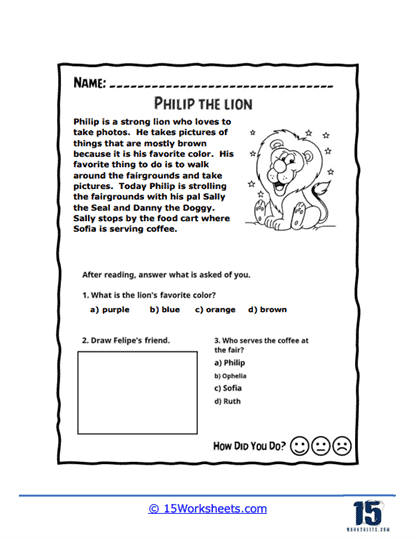
Philip the Lion
Students read a short tale about a lion character. They’ll answer questions on details and themes. It blends animal interest with story literacy. A lively fiction passage for younger learners.
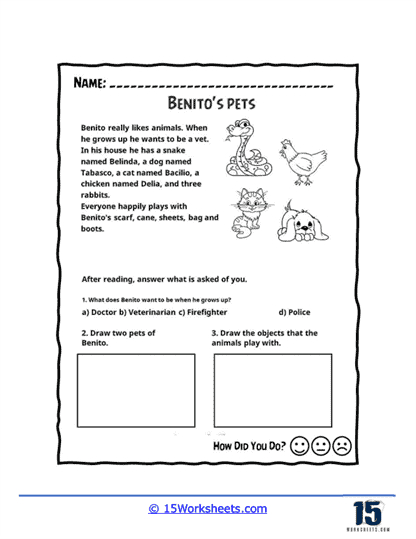
Benito’s Beloved Pets
This passage highlights pets and their care. Students practice reading about relatable, real-life themes. The questions build comprehension and vocabulary. A warm, engaging worksheet.
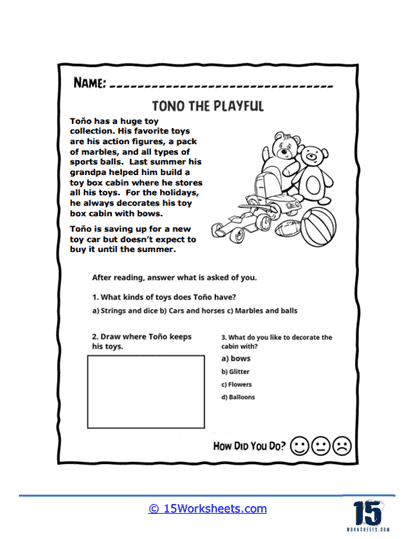
A Wonderful Toy World
Kids read about a magical toy world adventure. The story sparks imagination while teaching literacy skills. Questions help check comprehension. A creative and playful text for children.