
Colors Worksheets
All About These 15 Worksheets
These worksheets make learning the rainbow a hands-on adventure for young learners! Each page introduces a color through pictures, tracing, and matching activities that help kids recognize, name, and describe colors in the world around them. From the boldness of red to the calm of blue and the brightness of yellow, children build color awareness in a fun and engaging way. The activities also promote fine motor development as students color, trace, and identify familiar objects. With friendly visuals and clear instructions, these worksheets turn color learning into a joyful exploration of art, science, and language.
The collection also encourages creativity and critical thinking. Worksheets like Mixing Colors and Primary and Secondary Colors help kids understand how new shades are made, giving them a peek into the magic of color blending. Others, such as Sort and Match Colors and Color Words, link visual recognition to early reading skills. By learning to connect words with colors, students strengthen both vocabulary and comprehension. It’s a bright and balanced blend of literacy, observation, and self-expression!
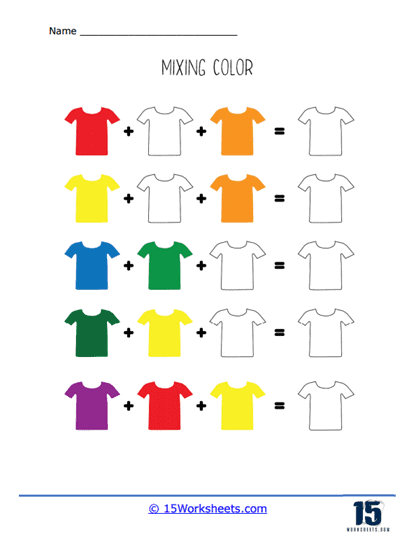
In kindergarten, learning about colors helps children make sense of their surroundings. They begin to sort, match, and name colors while also learning that mixing some colors creates new ones. For example, red and yellow make orange, and blue and yellow make green. This process isn’t just fun-it’s an early lesson in observation, science, and creativity all at once.
Teachers and parents love how these worksheets combine structure with creativity. They’re perfect for preschool or kindergarten lessons, morning work, or art station activities. More than just coloring pages, they build the foundational understanding that colors have names, relationships, and emotional meanings. Whether your students are coloring grapes purple or finding all the yellow ducks, every activity makes learning vibrant and memorable!
Have a Look Inside Each Worksheet
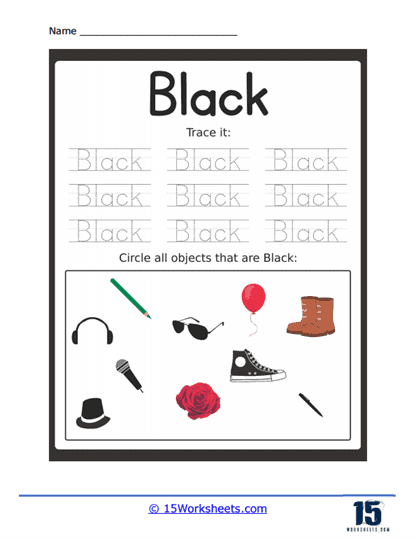
Black
Students explore the color black through fun, hands-on coloring and object recognition activities. They’ll identify everyday things that are black-like cats, bats, or chalkboards-and color them accordingly. The worksheet encourages vocabulary growth and observation skills. A simple, bold introduction to color learning for young artists!
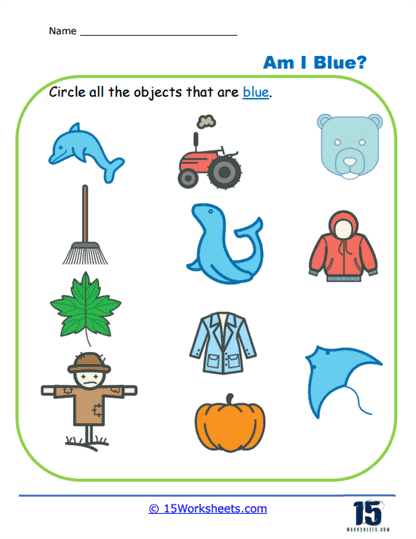
Blue
This worksheet helps children recognize and name the color blue while connecting it to familiar objects like the sky, ocean, and blueberries. Students color pictures and trace the word “blue” for reading practice. It’s a calm, creative activity that blends art and early literacy. Perfect for teaching one of the most loved colors in the spectrum!
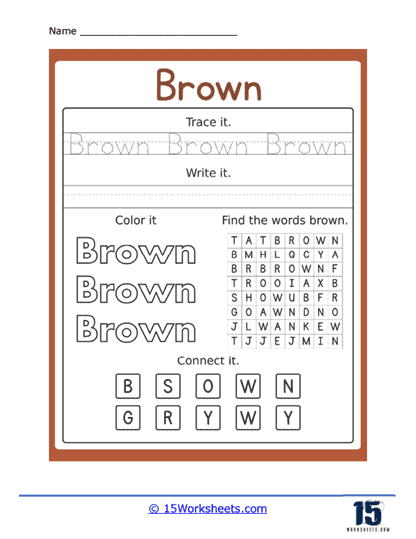
Brown
Students discover the color brown by coloring and identifying items found in nature-like trees, bears, and soil. The worksheet promotes awareness of how colors appear in the real world. Tracing and matching tasks help reinforce spelling and recognition of the word “brown.” A warm, earthy activity perfect for little explorers!
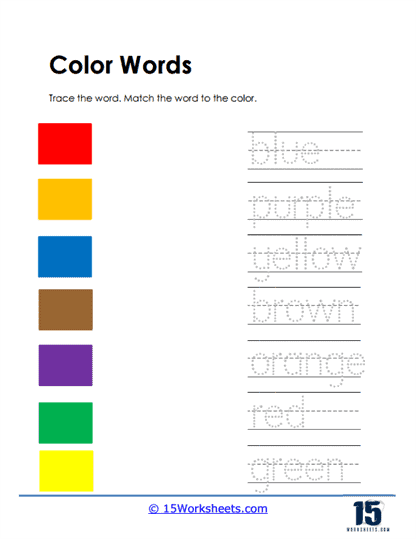
Color Words
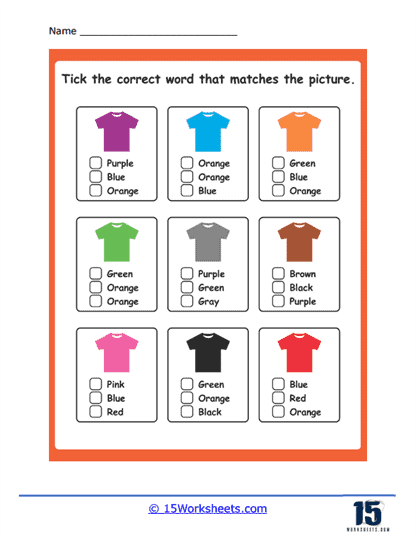
This worksheet builds vocabulary by helping students read and recognize written color names. Learners match color words to the correct hues and objects. It strengthens sight word skills while connecting reading to visual comprehension. A foundational exercise for both language and art learning!
Coloring Pages
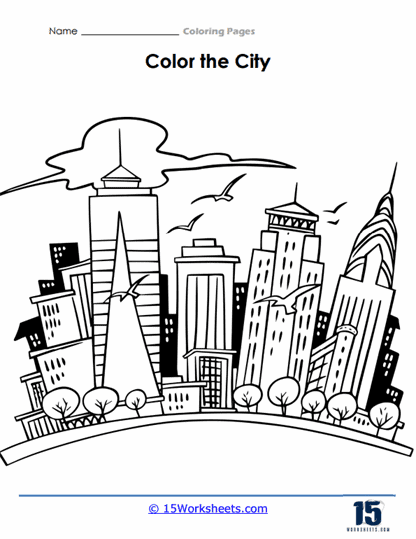
These open-ended coloring sheets invite kids to use their creativity while practicing color recognition. Each page includes prompts or outlines that encourage thoughtful color choices. It’s a relaxing, imaginative way to reinforce learning through art. A great activity for fine motor development and self-expression!
Green
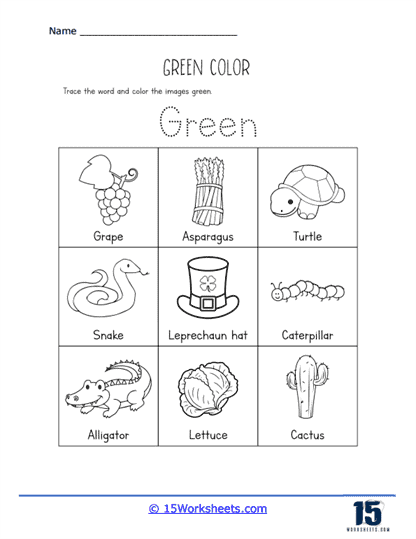
Students dive into the color green by identifying objects like leaves, frogs, and grass. The worksheet encourages them to color correctly and trace the word “green” for literacy practice. It reinforces observation skills and connects learning to nature. A refreshing, lively addition to early color lessons!
Grey
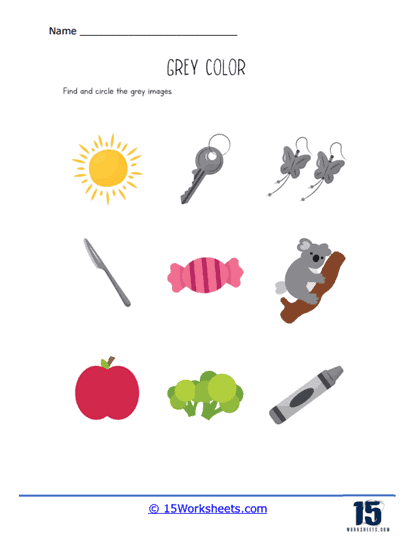
Learners explore the color grey and the objects that represent it-like elephants, clouds, and stones. The worksheet combines tracing, coloring, and matching for a well-rounded learning experience. It’s a subtle but essential color concept that encourages attention to detail. A soft introduction to shades and tones in the color world.
Learning Colors
This worksheet gives students a broad overview of color recognition. It features multiple colors with pictures to match, helping kids build fluency in identifying and naming them. The activity strengthens both visual memory and early vocabulary. A cheerful way to celebrate the rainbow of learning!
Mixing Colors
Students experiment with combining primary colors to make new ones-like red and blue making purple! The worksheet uses fun illustrations and examples to show how colors change when mixed. It encourages creativity and basic science exploration. A hands-on, eye-opening activity that makes art and discovery come alive.
Orange
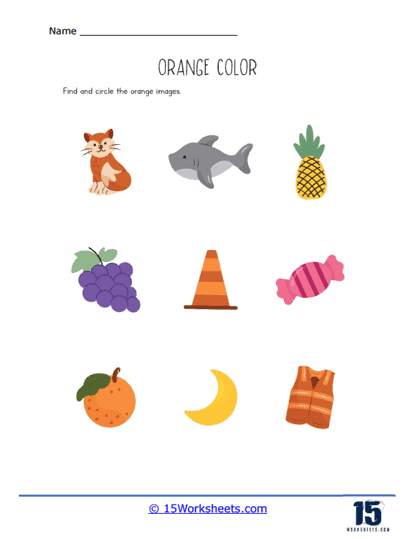
This bright worksheet focuses on recognizing and coloring orange objects, such as pumpkins, tigers, and carrots. Students trace and read the word “orange” while building color confidence. It supports both fine motor skills and word recognition. A cheerful, citrus-colored boost to early learning!
Pink
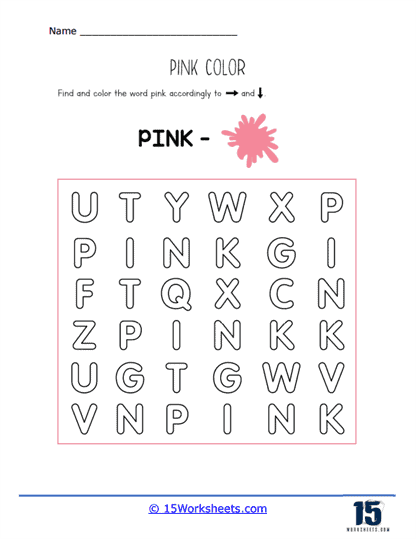
Students enjoy identifying and coloring pink objects like flowers, pigs, and cotton candy. The worksheet promotes visual recognition and helps kids associate words with hues. Tracing activities add a literacy connection to the fun. A soft, sweet way to blend art and reading practice.
Primary Colors
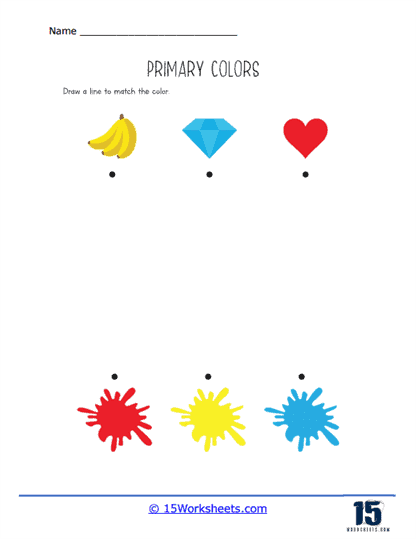
This worksheet introduces the three primary colors-red, blue, and yellow-and how they form the basis of all other colors. Students color examples and see how each shade stands alone. It’s an essential foundation for understanding color relationships. A simple but powerful early art and science lesson!
Purple
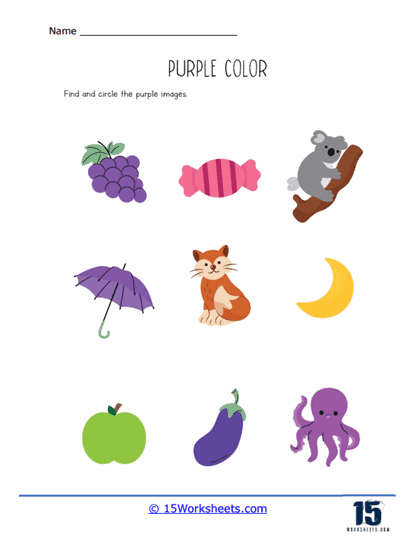
Learners explore the color purple through pictures of grapes, crayons, and other familiar objects. They trace, color, and identify the word “purple” to reinforce learning. The worksheet builds both artistic expression and literacy skills. A royal hue for a royal learning moment!
Red
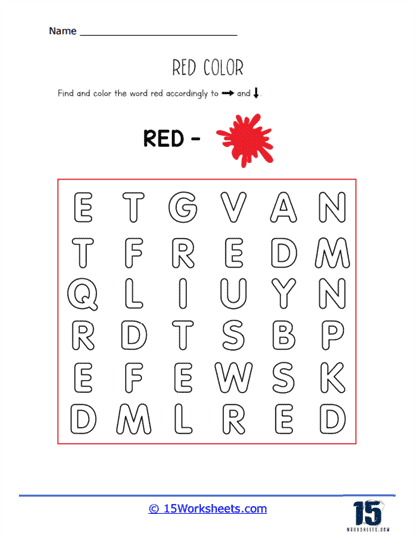
This worksheet focuses on the vibrant color red, encouraging students to color objects like apples, hearts, and fire trucks. They trace and write the word “red” to strengthen spelling and recognition. It’s a lively way to practice color identification and fine motor skills. Perfect for brightening up early learning time!
Secondary Colors
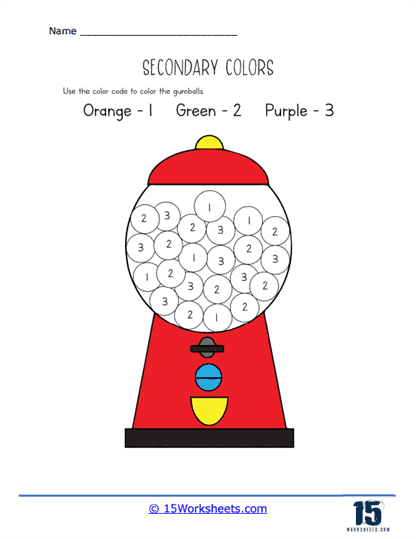
Students learn how mixing two primary colors creates a new, secondary color-green, orange, or purple. The worksheet includes color-mixing examples and creative activities. It builds critical thinking and visual experimentation skills. A colorful introduction to the science of art!
Sort and Match Colors
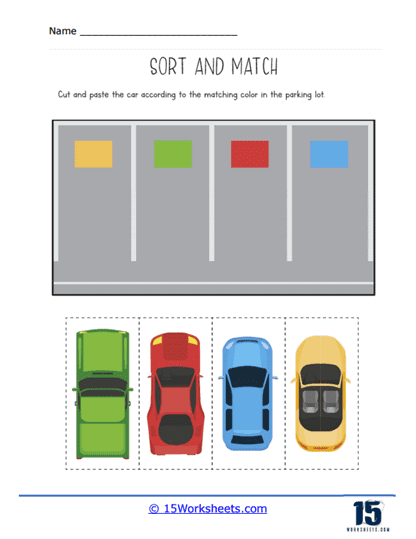
This sorting activity helps students group items by color and match them to their correct labels. It develops categorization and critical thinking skills while reinforcing color recognition. The hands-on format encourages active participation. A fantastic way to combine logic and creativity for kindergarten learners!
White
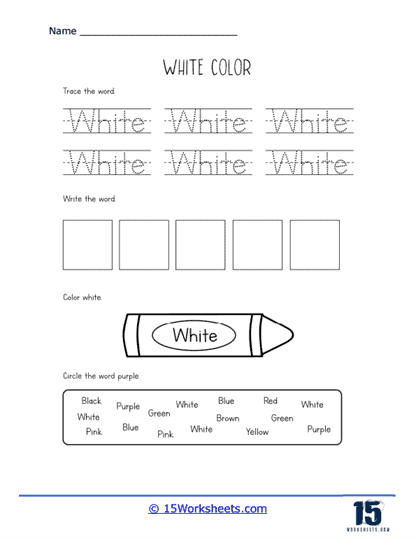
Students discover the color white through familiar examples like snow, clouds, and bunnies. They’ll color and trace while learning to recognize white objects in contrast with others. It teaches subtle observation and reinforces early vocabulary. A gentle, clean concept perfect for early learners.
Yellow
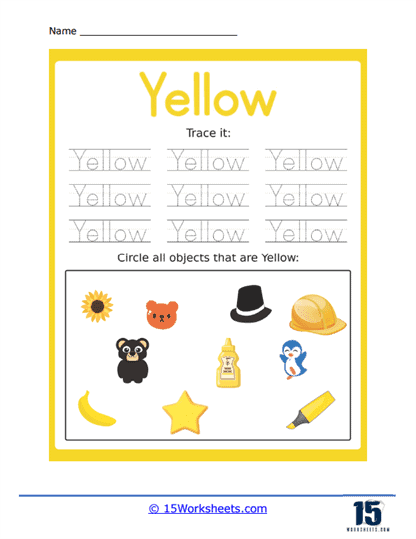
This sunny worksheet spotlights the color yellow through cheerful examples like suns, bananas, and ducks. Students color, trace, and identify yellow objects in different settings. It promotes happiness, creativity, and color awareness. A bright and joyful way to wrap up color learning!
Why Is Learning Your Colors Important?
Why is learning your colors such an essential part of early childhood development? The simple act of recognizing colors goes far beyond just knowing the difference between red, blue, or yellow. It touches almost every aspect of a child’s growth, from their cognitive abilities to their social interactions, and even their self-esteem. Mastering colors serves as one of the building blocks for many other foundational skills. Understanding the significance of color recognition can shed light on how it contributes to a child’s success-not only in their early years but also as they progress in life.
Cognitive Development
At the heart of learning colors lies cognitive development. The ability to recognize and differentiate colors is a fundamental cognitive skill that helps children navigate the world around them. By understanding that objects can be classified based on their color, children develop essential categorization skills. These cognitive processes allow them to classify, compare, and contrast items, which is a precursor to higher-level thinking. For instance, when a child identifies a red apple versus a green one, they are not just learning colors-they are learning to observe, compare, and differentiate between two objects. This cognitive ability to recognize patterns and differences is crucial for future learning in areas like science, where observation and classification are key components of the scientific method.
Language Development
Colors also play a crucial role in language development. As children begin to learn the names of different colors, they naturally expand their vocabulary. Every time a child points out a “blue sky” or asks for the “green crayon,” they are building language skills that enhance their ability to communicate more effectively about the world around them. Learning color names provides an excellent opportunity for children to practice verbalizing their thoughts, which fosters communication. In conversations, a child who can accurately describe their environment is able to participate more fully, whether it’s explaining what they see in a picture or describing their favorite toy. This early language development lays the groundwork for more complex communication skills, enhancing both comprehension and expression.
Visual Perception
Visual perception is another critical area of development that benefits from learning colors. Identifying and differentiating between colors sharpens a child’s ability to interpret visual information, a skill that becomes increasingly important as they progress in school. For example, visual perception is necessary for reading and writing, as children must be able to distinguish letters, numbers, and symbols. Color recognition aids in this process, helping young learners recognize visual patterns, which is key in understanding how words and sentences are structured. By developing strong visual perception skills early on, children are better prepared for the demands of reading and writing, where the ability to discern fine details is crucial.
Early Math Skills
Though it might not seem obvious at first, learning colors lays a strong foundation for early math skills. Sorting objects by color, counting how many red blocks there are, or recognizing patterns made up of different colored shapes are all early math activities. These simple tasks develop a child’s ability to organize and classify, which are essential skills in mathematics. Understanding patterns and sequences-whether in colors or numbers-paves the way for problem-solving and critical thinking. As children move forward in their education, these skills will be essential in subjects like algebra and geometry, where recognizing patterns and relationships is key to understanding mathematical concepts.
Creativity and Self-Expression
Colors are also a gateway to creativity and self-expression. Once children begin to recognize and use colors, a whole new world of artistic possibility opens up to them. Whether they are painting, coloring, or designing, children use color as a tool to express themselves. Art activities that encourage children to mix and match colors help foster their imagination and creativity. As they experiment with different combinations, they begin to understand how colors can convey emotions or tell a story. Through this process, children develop their own unique artistic style, which enhances their ability to think creatively-a skill that will benefit them in all areas of life.
Social Skills
Social interactions also improve when children learn their colors. Many group activities, whether in a classroom setting or at play, require some understanding of colors. For example, a teacher might ask the class to sort objects by color or to collaborate on a project that involves color recognition. Children who can accurately identify colors are better equipped to participate in these activities, promoting teamwork and cooperation. Effective communication during play also improves when children can describe their actions using color terms, such as “pass me the blue block” or “I want the red marker.” This ability to articulate their thoughts clearly strengthens their social skills and helps them navigate social situations with greater ease.
Following Instructions
As children learn to recognize and name colors, they become better at following instructions that involve color-based tasks. Whether it’s a game that requires them to “find all the green objects” or a coloring activity where they are asked to “color the sky blue,” following color-coded directions becomes a way to practice listening and comprehension. This skill is especially important as children enter formal education settings, where following multi-step instructions is often required. Being able to understand and execute these directions with precision helps children feel more capable and responsible, promoting independence and confidence in their abilities.
How To Teach Kids Their Colors
Teaching children their colors can be a joyful and rewarding experience, filled with creativity, discovery, and connection. However, like most fundamental skills, it requires a thoughtful approach, patience, and consistent reinforcement. Colors are among the first aspects of the world that children begin to recognize and understand, and helping them master this skill opens the door to enhanced cognitive development, improved language abilities, and even a stronger sense of self-expression. To make this process both effective and enjoyable, here are some expanded strategies for teaching kids their colors.
Start with Basic Colors
When introducing colors to young children, simplicity is key. Begin with the basics-the primary colors of red, blue, and yellow. These bold, distinct colors are easiest for children to recognize and differentiate. Focusing on a small group of colors initially helps to avoid overwhelming your child, allowing them to grasp the concept of color one step at a time. Once they are comfortable with the primary colors, gradually introduce secondary colors such as green, orange, and purple. These colors, formed by mixing primary hues, can be introduced through activities that encourage color blending, adding an exciting, hands-on element to learning. Starting with the foundational colors sets the stage for your child to build a broader color vocabulary as they explore the spectrum of shades and hues.
Use Everyday Objects
One of the most effective ways to teach colors is by integrating them into your daily routines. Children learn best when concepts are connected to real-life experiences, so take advantage of the objects around you. Point out colors during everyday activities-whether it’s talking about the blue sky, their red shirt, or the green apples at snack time. These small moments of color identification are powerful teaching opportunities because they connect the abstract concept of color with tangible objects in the child’s environment. As children begin to associate colors with the things they interact with daily, their understanding deepens, making the learning process feel natural and engaging. You could even make color identification a part of your morning routine by asking your child to name the colors of their breakfast items or the clothes they choose to wear for the day.
Play Color Games
Turning learning into a game not only makes the process more enjoyable but also helps solidify color knowledge through repetition and interaction. Games such as “I Spy” are particularly effective. Ask your child to “spy” something of a specific color-“I spy something green!”-and watch them scan the room, actively engaging in the learning process. You could also create sorting games where your child groups toys or objects by color, which reinforces color recognition and organizational skills. For instance, they might sort their Lego blocks into piles of blue, red, and yellow or group different colored fruits while grocery shopping. These playful, hands-on activities capture children’s attention and encourage active participation, ensuring that they are learning while having fun.
Read Books About Colors
Children’s books offer another fantastic opportunity for color exploration. Reading books that focus on colors not only reinforces color recognition but also enriches language development. Books with vibrant illustrations captivate young minds, making it easier for them to connect the color words they hear with the images they see. Picture books like Brown Bear, Brown Bear, What Do You See? or The Day the Crayons Quit are great choices because they center around colors in a narrative context, helping children grasp the concept while enjoying a story. Reading together also gives you the opportunity to ask questions and encourage discussion-“What color is the bear?” or “Can you find the yellow duck?” This interactive reading builds not only color knowledge but also enhances their vocabulary and listening skills.
Use Color Flashcards
Flashcards are another effective tool for color learning. You can either purchase ready-made cards or create your own using construction paper and markers. The key is to keep the experience interactive. Hold up a card and ask your child to name the color or point to objects in the room that match the color on the card. Flashcards provide a focused, repetitive practice that can be useful for reinforcing what your child has already learned. For more advanced learners, you can introduce shades and variations-like light blue versus dark blue-to add complexity to the task. To make the learning process more dynamic, you could even incorporate a game element, such as timing how many flashcards your child can correctly identify in a minute or playing a matching game where they pair the cards with objects of the same color around the house.
Coloring and Painting Activities
Art is a natural avenue for children to explore colors. Providing your child with crayons, markers, or paint encourages them to experiment with different colors as they bring their creativity to life. Discuss the colors they are using as they draw or paint-ask questions like, “What color are you using for the tree?” or “Can you show me how to make purple by mixing red and blue?” These activities not only reinforce color recognition but also help children learn about color relationships, such as complementary and contrasting colors. Beyond recognition, coloring strengthens fine motor skills, as children use their hands to carefully control brushes and crayons, developing essential coordination and precision for writing and other tasks.
Sing Color Songs
Music is a powerful educational tool, and songs about colors provide an auditory learning experience that is fun and memorable. Singing simple songs, such as “The Rainbow Song” or “Red, Yellow, Green, and Blue,” reinforces color recognition through repetition and rhythm. Music helps encode information in the brain, making it easier for children to remember what they’ve learned. These songs often come with movements or actions, turning color learning into a multi-sensory experience. Encouraging your child to sing along and act out the colors with you can turn learning into a lively, enjoyable bonding activity. Even on car rides or during quiet times, a quick color song can reinforce the day’s lessons.
Color-Themed Days
Taking a creative approach, you can organize color-themed days to immerse your child in one specific color at a time. For example, if it’s a “red day,” have your child wear red clothes, eat red foods like strawberries or tomatoes, and point out red objects throughout the day. This method not only intensifies focus on one color but also makes learning feel like a special event. You can also take the opportunity to include fun, hands-on activities like baking cupcakes with red frosting or going on a “red treasure hunt” around the house or neighborhood. By dedicating a day to each color, you give your child the chance to fully absorb and interact with that color in a meaningful and memorable way.
Be Patient and Consistent
While teaching colors is an exciting journey, it’s important to remember that every child learns at their own pace. Mastering colors can take time, and consistency is key to helping your child retain what they learn. Use everyday moments to reinforce color knowledge in a casual and pressure-free way, whether you’re pointing out colors at the grocery store or asking about the colors of toys during playtime. Celebrate small victories and milestones to keep your child motivated, but remain patient if progress is slow. Repetition and daily practice will lead to mastery, even if it doesn’t happen overnight.