
Zaner Bloser Worksheets






About Our Zaner Bloser Worksheets
Learning to write neatly takes practice, and our Zaner Bloser Worksheets provide students with a clear, structured path to handwriting success. This collection introduces each letter of the alphabet individually, giving learners step-by-step guidance as they trace and practice both uppercase and lowercase forms. Directional arrows, guided strokes, and repeated writing opportunities help students understand exactly how each letter is formed. The gradual progression from tracing to independent writing helps build confidence while developing strong handwriting habits.
One of the strengths of the Zaner Bloser method is its emphasis on consistency and proper letter formation. These worksheets start with highly guided examples and slowly reduce support as students gain confidence and control. Along the way, learners strengthen fine motor skills, pencil grip, hand-eye coordination, and letter recognition. Each page also includes a simple word featuring the target letter, helping students connect handwriting practice with reading and vocabulary development.
Strong handwriting supports success in many areas of learning, from completing assignments to expressing ideas clearly on paper. These worksheets help students develop the muscle memory needed for fluent writing while reinforcing alphabet knowledge and early literacy skills. By focusing on one letter at a time, learners can build a solid foundation without feeling overwhelmed. The result is a collection that supports both handwriting growth and overall confidence as young writers.
About Each Worksheet
Letter A
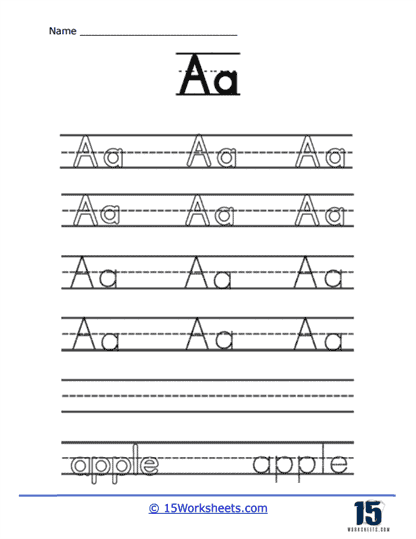
Students begin their handwriting journey with the very first letter of the alphabet. The guided strokes and apple word practice help learners build confidence while becoming familiar with proper letter formation.
Letter B
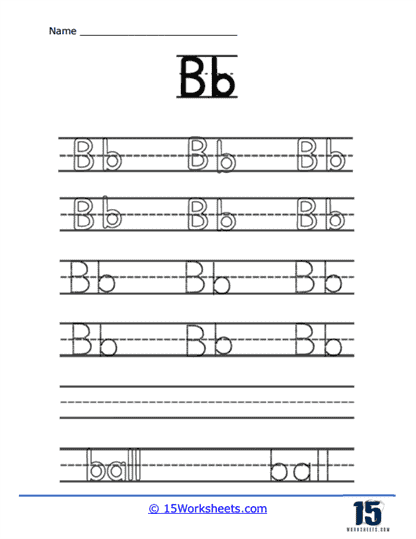
This worksheet introduces the straight lines and rounded curves that make B unique. Repeated tracing helps students strengthen control while connecting the letter to the word “ball.”
Letter C
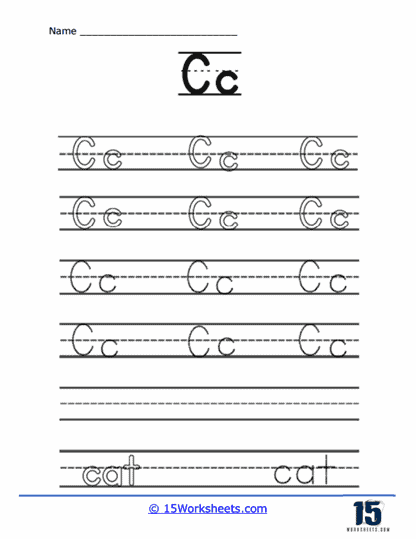
The smooth shape of C gives students valuable practice with curved strokes and controlled pencil movements. The cat example at the bottom helps reinforce both letter recognition and beginning sounds.
Letter D
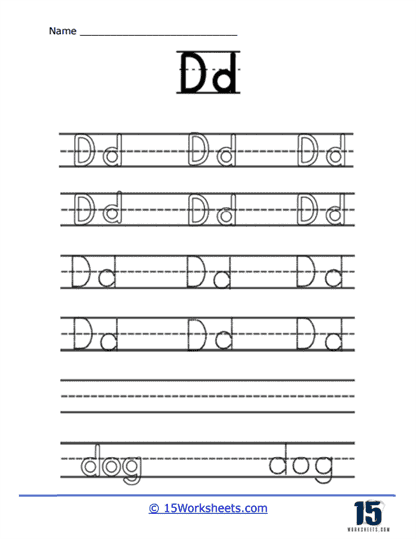
Writing D requires students to combine straight and curved lines in a coordinated way. The included word “dog” gives learners an easy and familiar example of the letter in action.
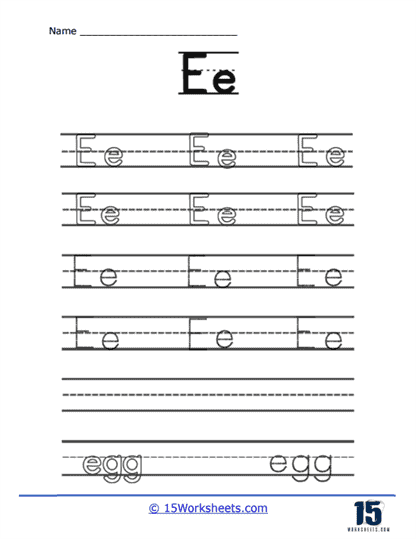
Letter E
This worksheet focuses on the careful placement of horizontal and vertical strokes. Students gain confidence with the letter E while practicing a word they likely already know well-“egg.”
Letter F
The letter F provides excellent practice with line placement and proportion. As students trace and write, they also strengthen their connection between letters and words through the example “fish.”
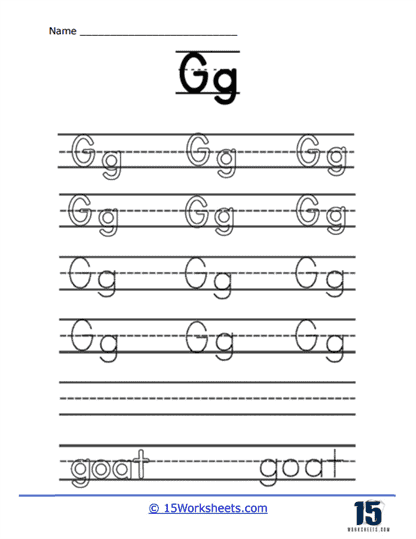
Letter G
Curved shapes and directional changes take center stage in this engaging handwriting activity. The word “goat” helps students see how the letter G appears in everyday vocabulary.
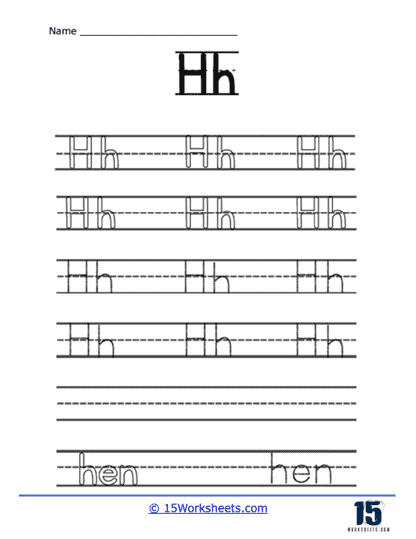
Letter H
Students work on creating strong vertical lines and clean connections while practicing H. The simple word “hen” reinforces the relationship between handwriting and early reading skills.
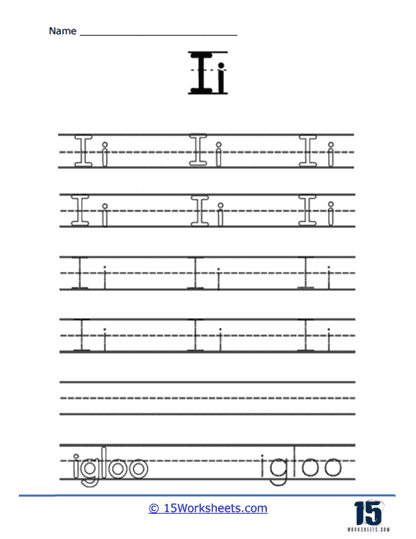
Letter I
Sometimes the smallest letters require the greatest attention to detail. This worksheet helps learners focus on precision while tracing and writing the word “igloo.”
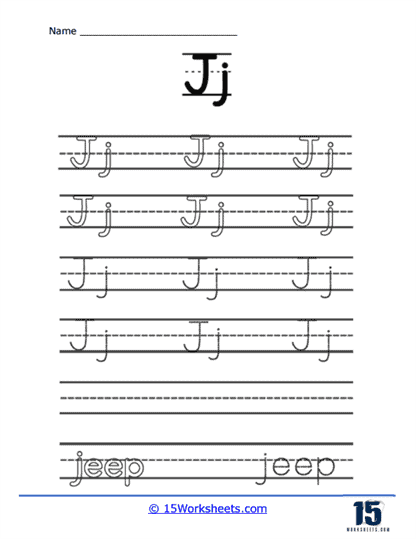
Letter J
The distinctive curve of J gives students an opportunity to practice smooth, controlled movements. The word “jeep” provides a fun example of how the letter is used in real language.
Letter K
This worksheet introduces a letter that combines straight lines with angled strokes. The word “kite” helps reinforce letter recognition while connecting handwriting practice to familiar vocabulary.
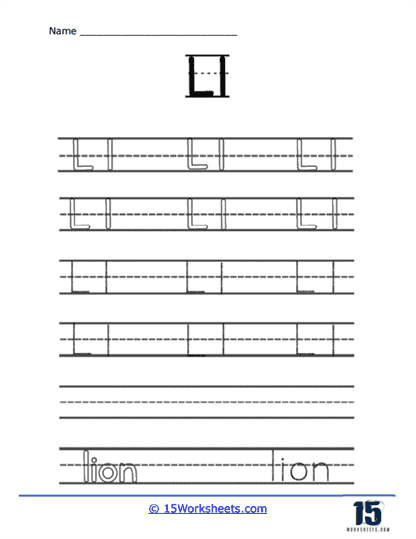
Letter L
Simple and straightforward, L allows students to focus on neatness and consistency. The lion example adds a fun literacy connection while reinforcing beginning sounds.
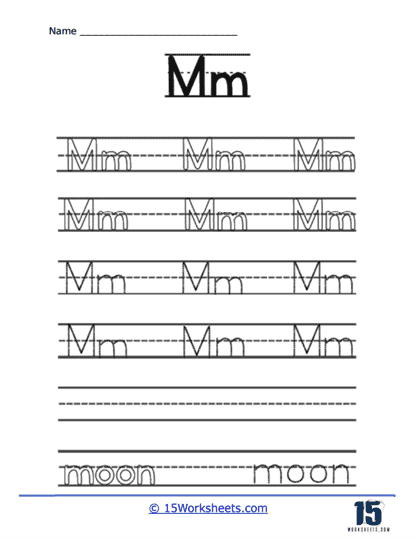
Letter M
Students practice a series of connected strokes as they learn to form M correctly. The word “moon” gives them a memorable way to see the letter used within a familiar word.
Letter N
The combination of vertical and diagonal strokes makes N an excellent handwriting exercise. Tracing and writing the word “net” helps strengthen both writing and reading skills.
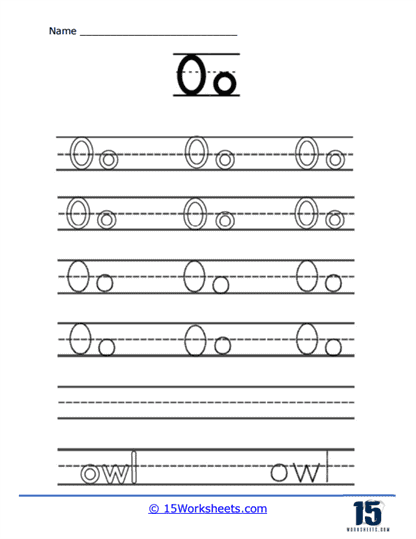
Letter O
The rounded shape of O encourages students to develop smooth, controlled pencil movements. The owl example reinforces the connection between letters, sounds, and words.
Letter P
This worksheet focuses on balancing a tall line with a rounded top section. Students get plenty of practice with P while tracing the simple word “pen.”
Letter Q
Q introduces students to a familiar circular shape with an added stroke that makes it unique. The word “queen” helps bring the letter to life while expanding vocabulary.
Letter R
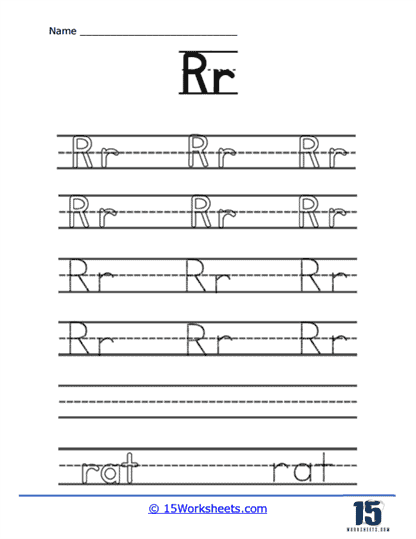
Students learn to combine multiple stroke types as they work through the formation of R. The word “rat” provides a clear example of the letter’s role in everyday language.
Letter S
The flowing curves of S can take extra practice, and this worksheet provides plenty of opportunities to master them. The word “sun” adds a bright and familiar literacy connection.
Letter T
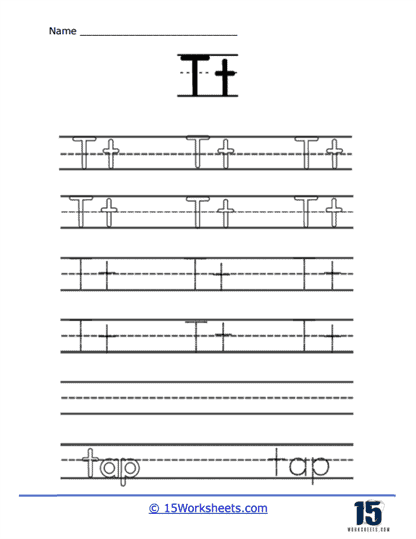
Straight lines and careful crossing strokes are the focus of this handwriting page. The word “tap” helps students apply their new skills within a simple word.
Letter U
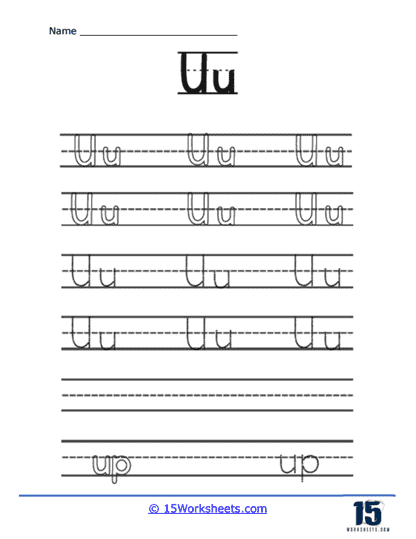
Students strengthen their control over curved lines while learning to write U correctly. The word “up” demonstrates how even short words rely on proper letter formation.
Letter V
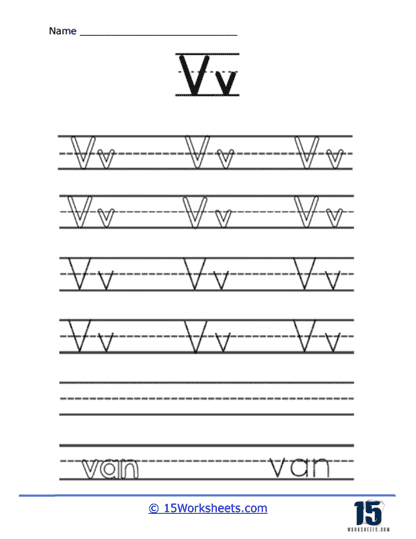
This worksheet introduces the angled strokes that give V its distinctive shape. The word “van” reinforces letter recognition while supporting reading development.
Letter W
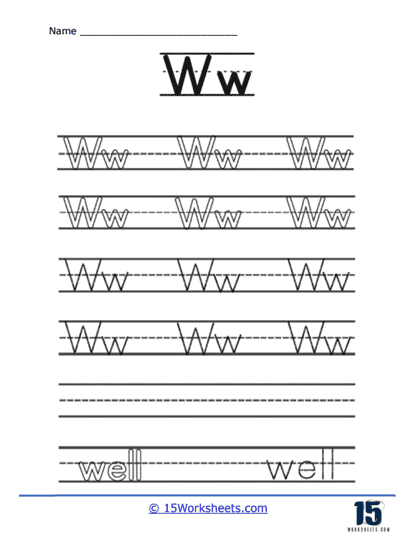
Students practice a series of connected angles as they learn to write W. The word “well” shows how the letter appears in a common and useful vocabulary word.
Letter X
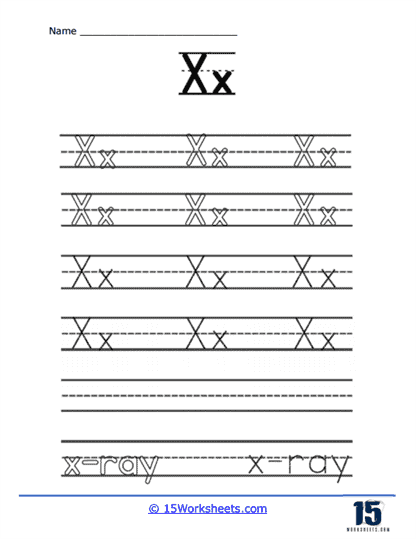
The crossing strokes of X require careful attention to placement and direction. The example word “x-ray” gives students a memorable real-world connection to this unique letter.
Letter Y
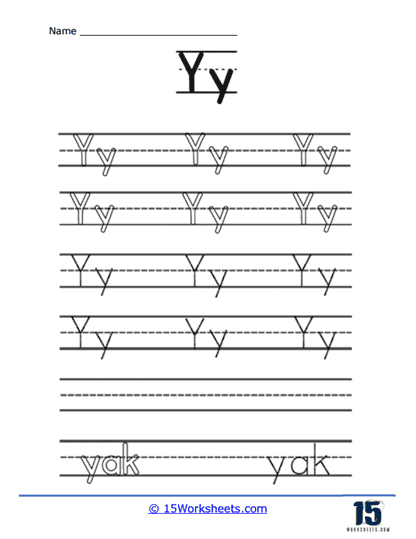
This worksheet helps learners master the branching shape of Y through guided tracing and practice. The word “yak” introduces an interesting vocabulary word while reinforcing the target letter.
Letter Z
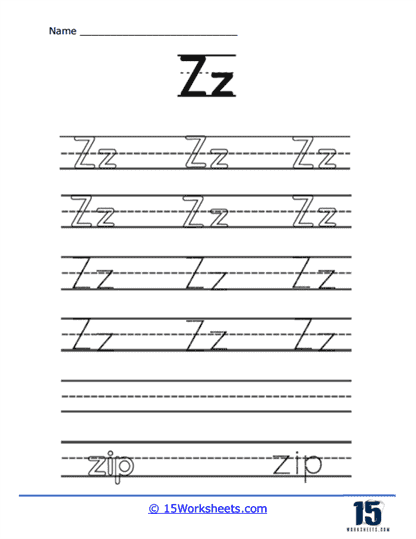
Students finish the alphabet by practicing the straight and diagonal strokes that form Z. The word “zip” provides a practical example while helping learners celebrate reaching the final letter.
What are Zaner Bloser Worksheets?
Zaner Bloser Worksheets are handwriting practice pages based on the widely used Zaner-Bloser handwriting method. This approach teaches students how to form letters through a consistent sequence of strokes, helping them develop neat, legible handwriting from an early age. The worksheets typically include guided tracing, directional arrows, and independent writing practice. These features help students understand not just what a letter looks like, but how it is formed.
One of the key benefits of the Zaner Bloser method is its gradual release of support. Students begin by tracing large, highly guided examples and slowly progress toward writing letters independently. This step-by-step approach helps build confidence while strengthening fine motor skills, pencil control, and hand-eye coordination. Repetition allows learners to develop the muscle memory needed for fluent handwriting.